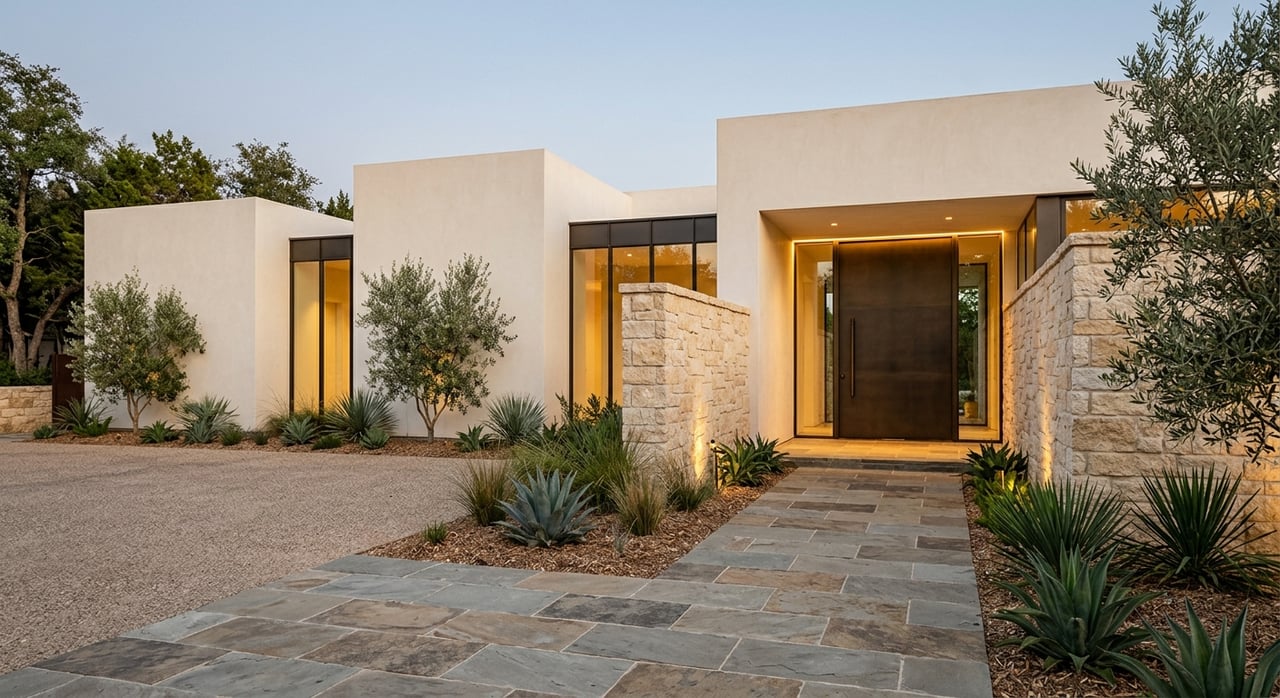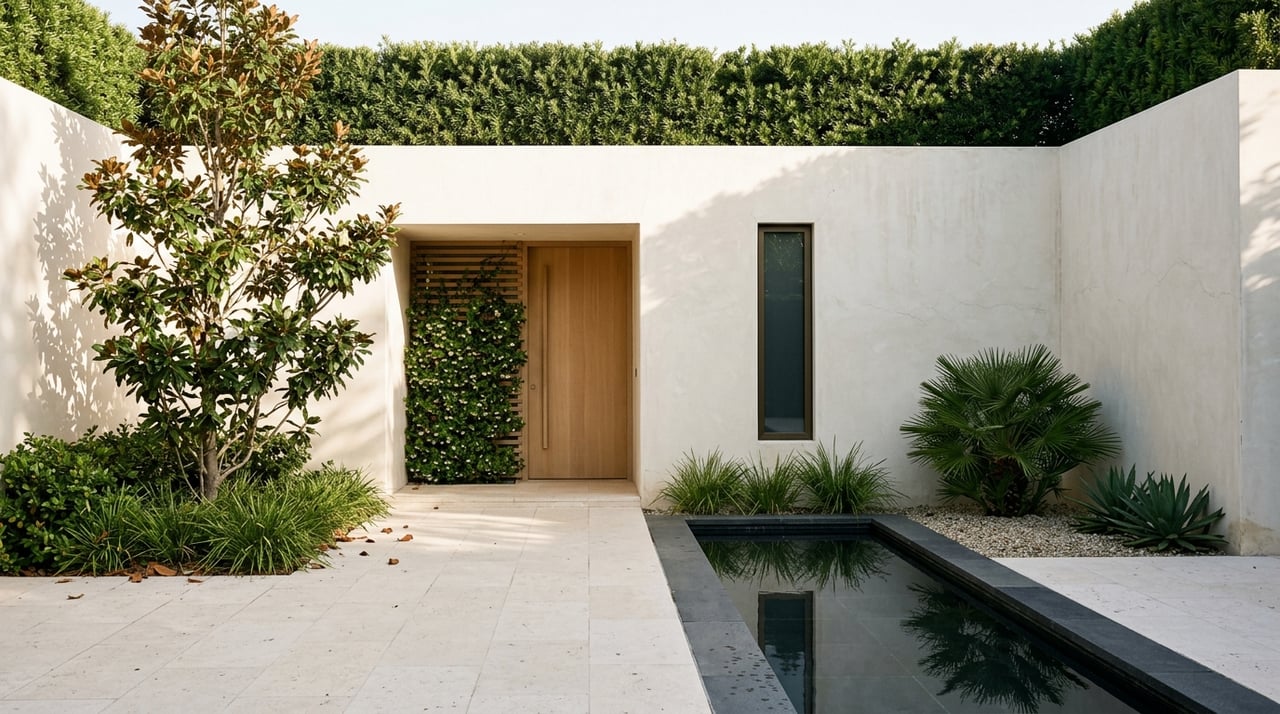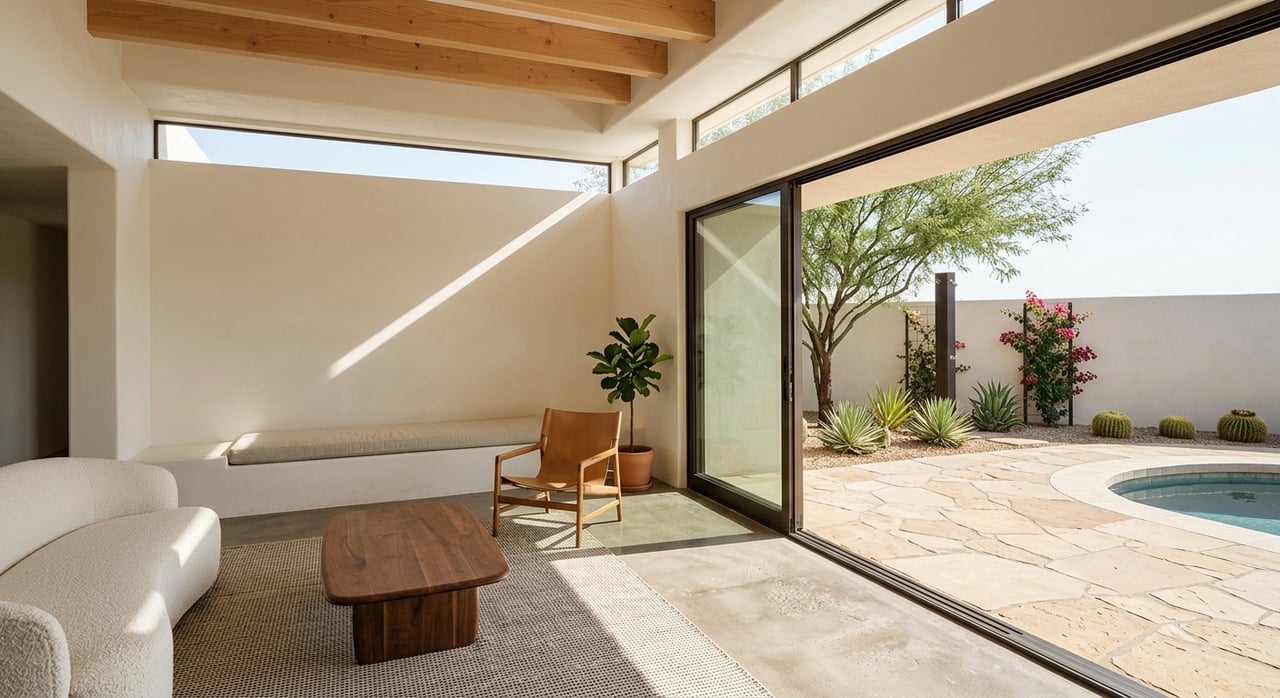
A Bel Air estate can feel effortless when you arrive, but that ease usually comes from careful planning behind the scenes. If you use your property as a part-time residence, you are balancing comfort, privacy, upkeep, and compliance even when you are away. The good news is that with the right systems, your home can stay protected, polished, and ready for use without last-minute stress. Let’s look at what it takes to manage a Bel Air estate well between visits.
Why part-time estates need structure
A part-time residence in Bel Air should be managed like a living asset, not a home that simply sits idle until your next stay. In Los Angeles, estate properties often need ongoing attention throughout the year, especially on larger lots or hillside sites where exterior conditions can change quickly.
One of the biggest examples is vegetation management. The Los Angeles Fire Department states that brush clearance in Very High Fire Hazard Severity Zones is a year-round responsibility and applies within 200 feet of structures and within 10 feet of combustible fences or driveways. The department also notes that repeated maintenance may be needed more than once a year, which is why a standing care plan matters more than occasional cleanup before an arrival. You can review the city’s current brush clearance requirements and the inspection process.
If a property is found out of compliance, timing matters. LAFD explains that first inspections are initiated by the department, owners generally have 20 days to comply after a notice of violation, and if issues remain unresolved, city contractors may complete the work and bill the owner, including through a special assessment on property taxes if unpaid. For a part-time owner, that is a strong case for regular oversight rather than reactive maintenance.
Build a clear chain of responsibility
The most practical estate-management model starts with one simple idea: someone should clearly own the process. Whether that person is a house manager, estate manager, or a tightly coordinated lead contact, your property benefits when one accountable point person is responsible for seeing conditions, documenting issues, and coordinating vendors.
In most cases, a well-run part-time estate includes support in a few core areas:
- A house or estate manager as the main point of contact
- Housekeeping for arrivals, departures, and periodic deep cleaning
- Grounds or landscape service for curb appeal and fire-safety maintenance
- On-call vendors for pool, HVAC, plumbing, electrical, and irrigation needs
- Security or monitoring support for access control and alerts
The goal is not to create visible over-service. It is to create a written chain of responsibility so nothing falls through the cracks when you are out of town.
Recordkeeping protects the property
For luxury homes, discretion matters. So does documentation. A good estate system includes maintenance logs, vendor access records, photo documentation, and a simple history of what was done, when, and by whom.
That kind of structure mirrors how the city approaches regulated hosting. Los Angeles City Planning advises hosts to review program documents and maintain records, and the city even provides a worksheet to help track required information during the registration period. Even if you never plan to host your Bel Air home, the same discipline is useful for estate operations because it supports continuity, accountability, and better decision-making. You can explore the city’s home-sharing records resources for context on how formal recordkeeping works.
Create arrival and departure checklists
A part-time estate runs best when each visit follows a repeatable rhythm. Instead of preparing the home from scratch every time, use written arrival and departure checklists that can be completed by your team before you step through the door.
An effective arrival checklist often includes:
- Setting climate controls for comfort
- Checking plumbing fixtures and water flow
- Stocking the refrigerator and pantry as needed
- Refreshing linens and bath essentials
- Confirming lighting scenes
- Testing AV systems and Wi-Fi
- Updating alarm and gate access
- Removing visible dust, debris, or footprints
A practical departure checklist often includes:
- Resetting thermostats for vacancy
- Checking for leaks or plumbing concerns
- Clearing perishables
- Securing valuables
- Confirming alarm settings
- Adjusting irrigation schedules
- Verifying exterior lighting and access controls
These lists help the home feel ready quickly while still preserving the relaxed atmosphere you want from a Bel Air residence.
Plan outdoor work around the season
Outdoor maintenance deserves its own calendar. In Los Angeles, it is not enough to book landscape work only when you are expected to arrive. Conditions shift with heat, wind, and growth cycles, and exterior work should be timed with safety in mind.
LAFD warns that homeowners can accidentally start fires while clearing brush and recommends avoiding both Red Flag periods and the hottest part of the day, especially 11:00 a.m. to 3:00 p.m. The department also says a water source or extinguisher and a charged phone should be immediately available during clearance work. Their brush clearance tips for homeowners are a useful reminder that landscape care on estate properties should follow a seasonal service plan, not an ad hoc rush.
Consider hosting rules before leasing stays
Some part-time owners explore hosting or extended stays to keep the home in use between visits. In Los Angeles, that decision should be evaluated carefully because the city’s home-sharing rules are built around a host’s primary residence, not a casual second home.
According to Los Angeles City Planning, standard home-sharing allows up to 120 days per year, while the zoning code defines extended home-sharing as a longer tier that may be permitted for an unlimited number of days in a calendar year. However, the key issue is eligibility: the home-sharing site must be the host’s primary residence, and the zoning code defines primary residence as the home where the host resides for more than six months of the calendar year. You can review the city’s explanation of what the home-sharing program allows and the underlying zoning rules.
For a true part-time or secondary residence in Bel Air, that means home-sharing is often not a straightforward fit. The rules also require registration, require the registration number in advertisements, and include additional limitations for certain properties or situations.
Know the tax threshold for shorter stays
If you are considering shorter occupancy periods, the tax treatment matters too. The City of Los Angeles currently applies a 14% Transient Occupancy Tax to hotel and motel rooms and to privately owned rooms or properties rented for 30 days or less. You can confirm that in the city’s current Transient Occupancy Tax report.
For owners, this is less about memorizing every rule and more about understanding when legal, tax, and insurance questions become specialized. Once a part-time estate enters the world of shorter stays, it is wise to handle planning with the right professional guidance and a clear operating model.
Stewardship shapes the ownership experience
The strongest management plan for a Bel Air estate is built around stewardship. That means clear accountability, consistent recordkeeping, a seasonal vendor calendar, and discreet preparation before every arrival and departure.
It also means treating the home as both a lifestyle asset and a property that needs protection between visits. When systems are in place, you can spend less time reacting to maintenance issues and more time enjoying the reason you own the home in the first place.
If you are planning to buy, lease, or refine the operation of a part-time luxury residence in Los Angeles, Carey More brings a boutique approach that blends real estate guidance with hospitality-minded stewardship.
FAQs
What does managing a Bel Air part-time residence usually require?
- A part-time Bel Air estate usually benefits from a clear point person, routine housekeeping, landscape care, on-call service vendors, security monitoring, and written arrival and departure systems.
What are the brush clearance rules for Bel Air estate properties?
- LAFD states that brush clearance is a year-round responsibility in Very High Fire Hazard Severity Zones and applies within 200 feet of structures and within 10 feet of combustible fences or driveways.
What happens if a Los Angeles property fails brush clearance compliance?
- LAFD says owners generally have 20 days to comply after a notice of violation, and if the property remains noncompliant, city contractors may perform the work and bill the owner.
Can you use a Bel Air second home for Los Angeles home-sharing?
- Los Angeles home-sharing rules are generally tied to a host’s primary residence, which the zoning code defines as the home where the host lives for more than six months of the calendar year.
How many days of home-sharing does Los Angeles allow?
- City Planning states that standard home-sharing allows up to 120 days per year unless the host qualifies for the extended home-sharing tier.
When does Los Angeles Transient Occupancy Tax apply to estate stays?
- The city’s current 14% Transient Occupancy Tax applies to hotel and motel rooms and to privately owned rooms or properties rented for 30 days or less.