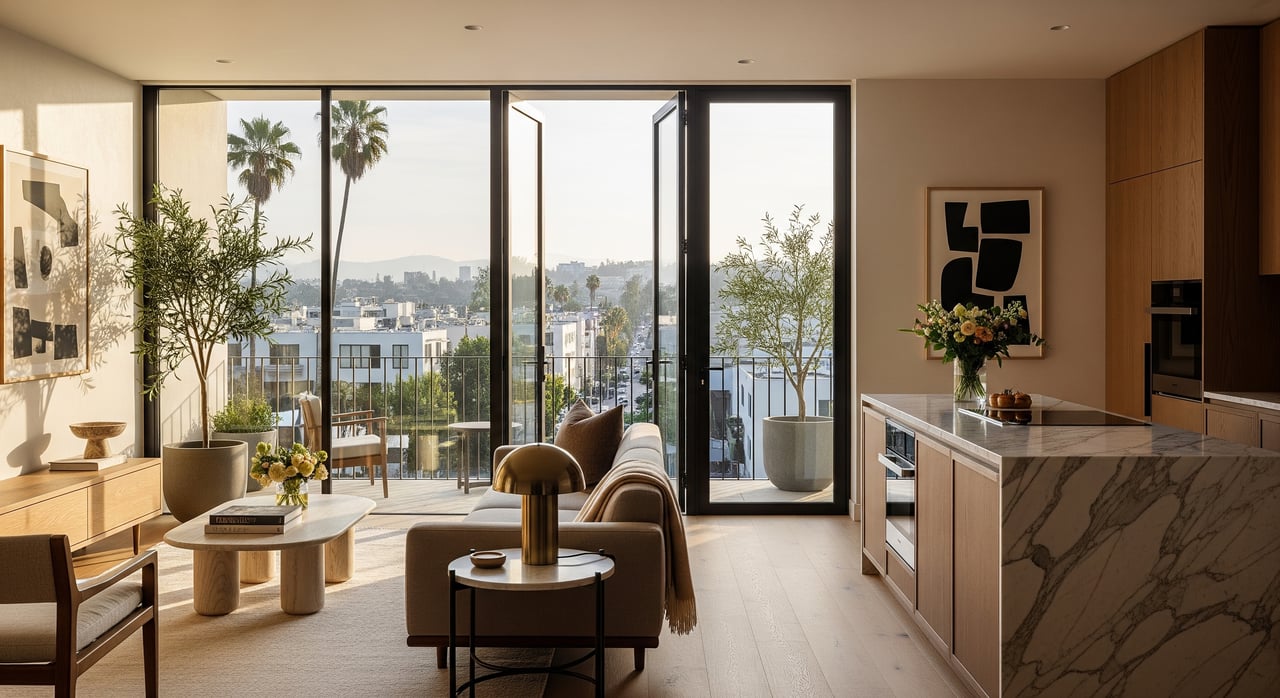
Planning a stay or offering your home for 31 days or more in West Hollywood can feel like a different world from nightly rentals and traditional year-long leases. You want comfort, flexibility, and clarity about the rules. This guide breaks down what a 31+ day furnished lease really means in Central LA, who it serves, how it compares to other options, and the practical steps to make it smooth for both guests and owners. Let’s dive in.
What a 31+ furnished lease is
A 31+ day furnished lease is a residential stay of at least 31 consecutive days in a fully furnished home or apartment. The space is set up with furniture, linens, kitchen basics, and everyday housewares. Utilities and Wi‑Fi are commonly included or bundled into the monthly rate.
The 31-day minimum matters. Across California, stays under 30 days are often treated as short-term or transient. At 31 days and longer, your arrangement is typically treated as a residential tenancy with added tenant protections and different tax treatment than a hotel-like stay.
Why 31 days matters in West Hollywood
In many cities within Los Angeles County, the dividing line between transient and residential occupancy is 30 days. A 31+ day lease often shifts you into a residential tenancy for regulatory and legal purposes. This can change your rights and responsibilities compared with a nightly booking.
Hotel taxes often apply to stays under 30 days, while 31+ day tenancies are generally not subject to those taxes. Always confirm the latest rules with West Hollywood’s finance and licensing offices. Local tenant protections and rent stabilization policies may also apply once a tenancy is created, depending on the property type and year built.
Rules do not stop at city laws. Building covenants, HOA bylaws, mortgage terms, and existing leases can limit or forbid furnished leasing. Before you list or book, confirm that the building and lender allow 31+ day tenancies and that insurance coverage is appropriate for furnished monthly use.
Who uses 31+ day leases
A 31+ day term attracts guests who need comfort and stability without a year-long commitment. Common users include:
- Production cast and crew coordinating multi-week shoots
- Corporate transferees and executives on short assignments
- Medical or clinical visitors and visiting academics
- Homeowners in between homes, remodeling, or relocating
- Out-of-town buyers who need a base while they house-hunt
How it compares to other options
Versus under-30-day short-term rentals
- Status: Stays under 30 days are usually treated as transient, often with hotel tax and short-term rental licensing requirements.
- Relationship: Guests are typically not tenants in the same way as longer stays, and protections differ.
- Experience: More hotel-like service, higher per-night cost, and platform fees.
Versus traditional unfurnished leases
- Status: Year-long leases are generally unfurnished with standard residential lease terms.
- Cost and flexibility: Monthly costs are often lower than furnished units, but the commitment is longer. Furnished 31+ stays price-in furniture, utilities, and turnover costs.
- Services: Furnished 31+ tenancies often include bundled utilities and optional housekeeping, which is uncommon in typical unfurnished leases.
What to expect as a guest
When you choose a 31+ day furnished lease, expect a residential experience with hotel-level touches where available. Here is what typically comes with it and how to plan.
- Booking lead time: Corporate and executive bookings usually finalize 1 to 4 weeks in advance. Productions may book several weeks to a few months ahead, depending on schedule.
- Included services: Utilities, Wi‑Fi, linens, towels, basic kitchenware, and sometimes streaming access. Washer and dryer access is common.
- Optional add-ons: Weekly housekeeping, on-demand linen changes, concierge tasks, dedicated parking, grocery stocking, and pet services may be available for a fee.
- Cleaning cadence: Light cleaning every 7 to 14 days is typical for longer stays, with full linen changes on a similar schedule. Confirm the plan in the agreement.
- Deposits and fees: Expect a security deposit, cleaning fee, and possible pet or additional-guest fees. Deposit limits and return timelines follow California landlord-tenant rules for longer stays.
- Keys and access: You should receive clear instructions for keys, fobs, parking, visitor rules, and amenities. For production teams, coordinate loading and permits early.
- Cancellation and notice: Fixed-term leases follow the written contract. Month-to-month arrangements typically follow California notice periods, which often differ based on length of tenancy.
What to expect as a host
Providing a 31+ day furnished lease blends hospitality with property management. Plan your timeline and operations before you go live.
- Compliance first: Confirm West Hollywood’s current short-term rental and business license rules, and verify whether your use requires registration. Check HOA bylaws, mortgage terms, and any building lease rules. Clarify the property’s tax treatment for 31+ day stays.
- Insurance: Confirm that your policy covers furnished monthly tenancies. Guests should consider renter’s insurance for longer stays.
- Safety and disclosures: Ensure smoke and carbon monoxide alarms function, locks are secure, and windows are operable. If your property was built before 1978, follow lead-based paint disclosure rules.
- Unit prep: Allow 48 to 72 hours for deep cleaning, inventory, and restocking between occupancies. Replace worn linens, test Wi‑Fi and streaming devices, and photograph the space and inventory.
- Clear contracts: Use a written agreement that states term, rent, deposit and fees, included services, cleaning cadence, cancellation and notice, occupancy limits, guest rules, parking, and insurance expectations.
- Hospitality operations: Provide a welcome packet with house rules, Wi‑Fi, parking instructions, local contacts, and emergency numbers. Establish reliable cleaning and maintenance vendors with agreed response times.
Sample timeline for a smooth booking
- Day -28 to -14: Secure the unit and sign the agreement. Host collects the deposit and confirms the term and included services.
- Day -7 to -3: Host deep-cleans, inventories, tests utilities and Wi‑Fi, and prepares the welcome packet. Parking and access details are confirmed.
- Day 0: Move-in and walk-through. Both parties sign the inventory and condition report.
- Every 7–14 days: Light housekeeping and linen service if included in the agreement.
- Day 30–31: For month-to-month stays, either party can give required notice if ending the tenancy. Otherwise the stay continues under the agreed schedule.
Common pitfalls to avoid
- Assuming 31+ day stays remove all obligations. Local ordinances still apply and can require registration or business licensing.
- Overlooking HOA or lender restrictions. Confirm before you list or commit.
- Vague agreements. Spell out cleaning frequency, utilities, guest limits, parking, and notice terms in writing.
- Insurance gaps. Make sure both host and guest coverage fits a furnished monthly tenancy.
- Platform confusion. Platform “monthly stay” labels do not override city rules.
Quick checklists
Host checklist
- Confirm city rules, business licensing, and any applicable rent stabilization considerations.
- Check HOA, mortgage, and building restrictions.
- Verify insurance coverage for furnished monthly stays.
- Prepare safety gear and complete required disclosures.
- Create a full inventory with photos and a welcome packet.
- Define included services, cleaning cadence, parking, and guest policies in the contract.
- Set up cleaning and maintenance vendors with clear response times.
Guest checklist
- Confirm your stay meets the 31+ day minimum.
- Ask what is included: utilities, Wi‑Fi, parking, and cleaning.
- Review building rules, visitor policies, and any parking permits.
- Get deposit, fees, and cancellation rules in writing.
- Request an inventory and condition report at move-in.
- Save the emergency contact and maintenance procedures.
- Follow the checkout process and document move-out condition.
The West Hollywood advantage
West Hollywood sits at the intersection of design, entertainment, and business travel, which is why demand for 31+ day furnished housing is consistent. Production calendars, corporate assignments, and relocations often run in multi-week blocks that fit the 31+ model. If you want residential comfort with professional hospitality, this approach delivers flexibility while keeping the experience elevated and organized.
Next steps
If you are a guest, define your dates, must-have amenities, and service preferences early. If you are an owner, start with compliance and a hospitality-forward setup, paired with a clear agreement and vendor team. With the right plan, a 31+ day furnished lease can be seamless for both sides.
If you would like a curated placement or hospitality-ready setup in West Hollywood or Central LA, connect with Carey More. You will get guidance shaped by luxury leasing, design-led presentation, and proven guest operations.
FAQs
What is a 31+ day furnished lease in West Hollywood?
- A residential tenancy of at least 31 consecutive days in a furnished home that typically includes utilities, Wi‑Fi, and household basics.
Are 31+ day leases exempt from hotel tax in West Hollywood?
- Stays of 31 days or longer are generally not subject to hotel or transient occupancy taxes, but you should confirm the most current city guidance.
Do tenant protections apply to 31+ day stays?
- A 31+ day stay often creates a landlord-tenant relationship that can trigger local and state tenant protections, depending on the property and local rules.
What services are usually included with a furnished lease?
- Furniture, linens, kitchenware, utilities, and Wi‑Fi are common; housekeeping, parking, and concierge-style services may be available at extra cost.
How far in advance should I book a 31+ day stay?
- Corporate stays typically book 1 to 4 weeks ahead, while production housing can reserve several weeks to a few months in advance.
How do cancellation and notice work for 31+ day tenancies?
- Fixed-term leases follow the contract, while month-to-month arrangements generally follow California notice timelines that vary by length of tenancy.