Have you ever strolled a Los Feliz street and wondered why one block feels like old Spain and the next reads like a modernist film set? If you love design, this neighborhood rewards a closer look. In this guide, you’ll learn how to spot the major architectural styles that shape Los Feliz, where to see them, and what to consider if you plan to buy or steward a historic home. Let’s dive in.
Why Los Feliz looks this way
Los Feliz grew out of the Spanish-era Rancho Los Feliz and sits at the edge of Griffith Park, which was donated by Griffith J. Griffith in 1896. The park’s presence and the area’s hills encouraged early estates, hillside builds, and courtyard apartments during the 1920s and 1930s. That boom left a legacy of period revivals alongside later modernist hillside homes that chase light and views. You see it in the streetscape and in civic anchors like Griffith Park and nearby Barnsdall’s Hollyhock House, both touchstones for the area’s design story. For background on the park’s history, see the Los Angeles Conservancy’s guide to Griffith Park.
Spanish Colonial and Mediterranean
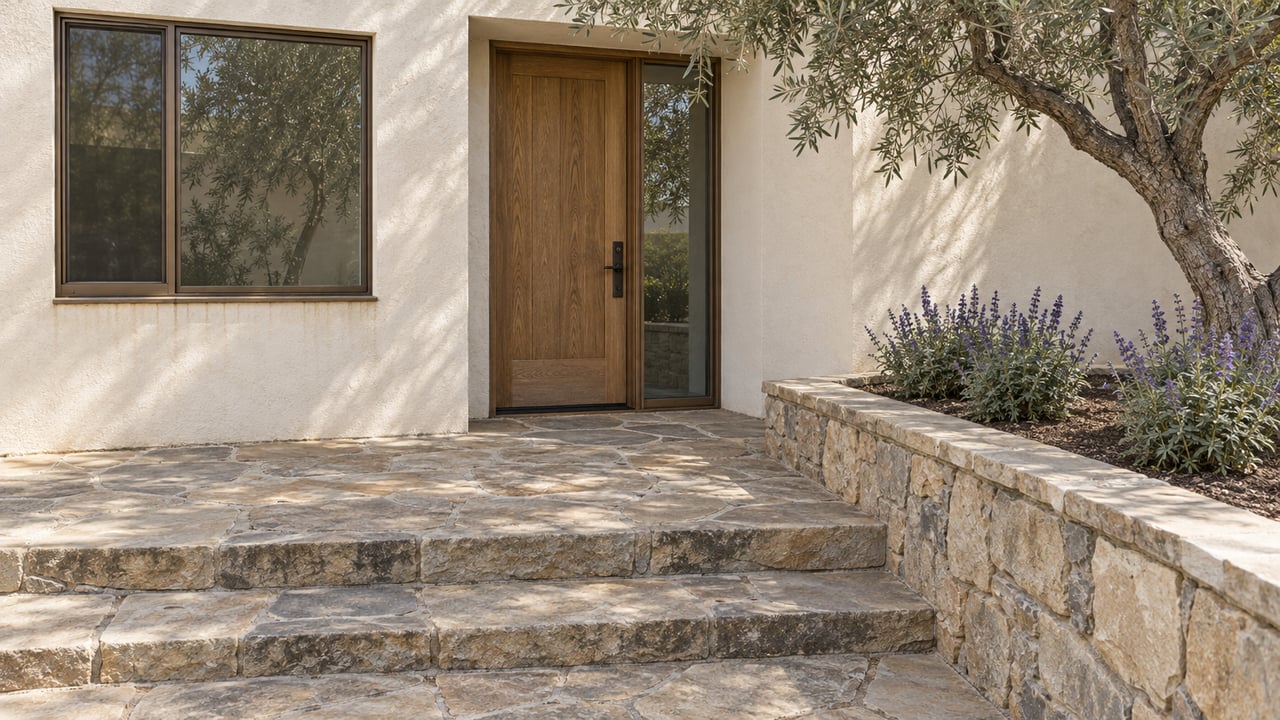
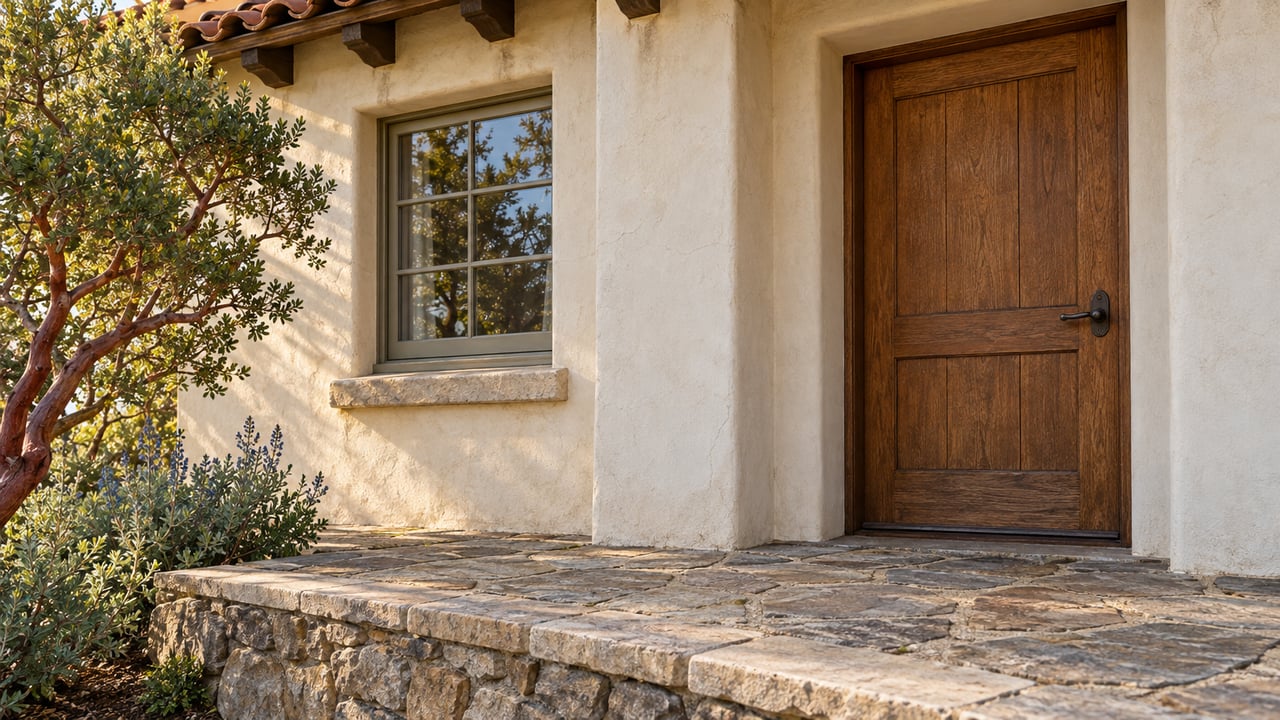
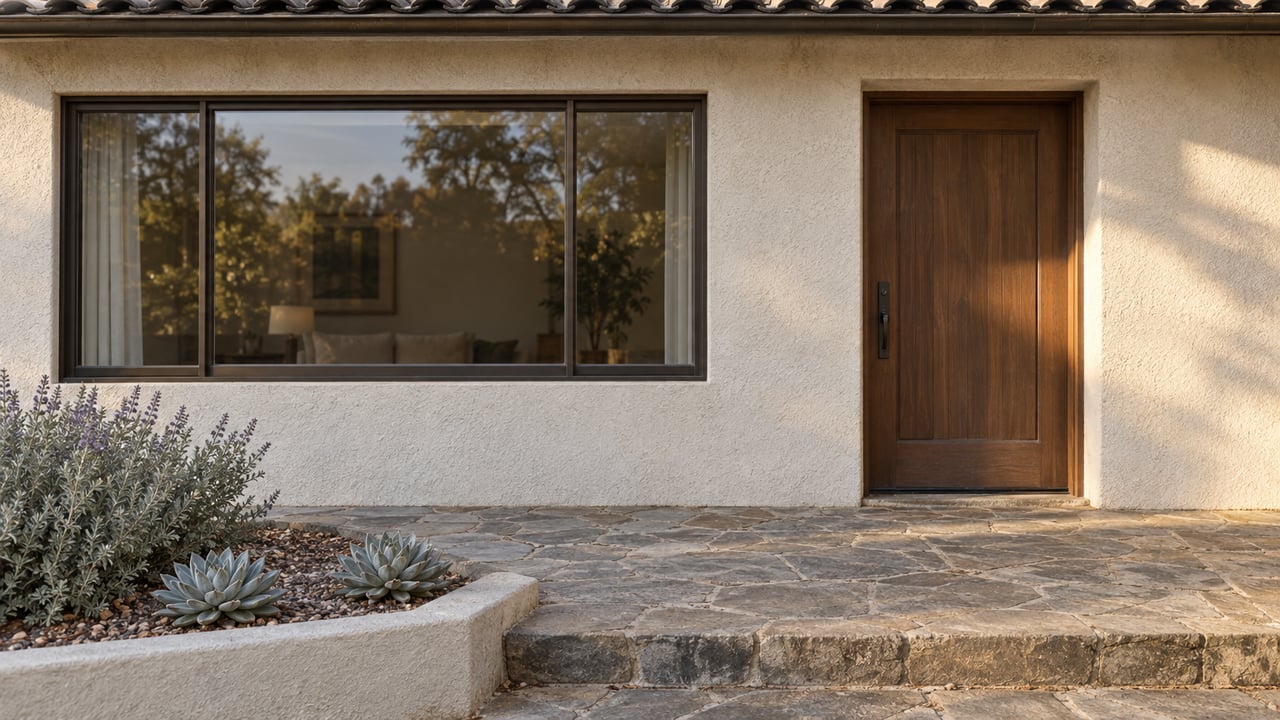
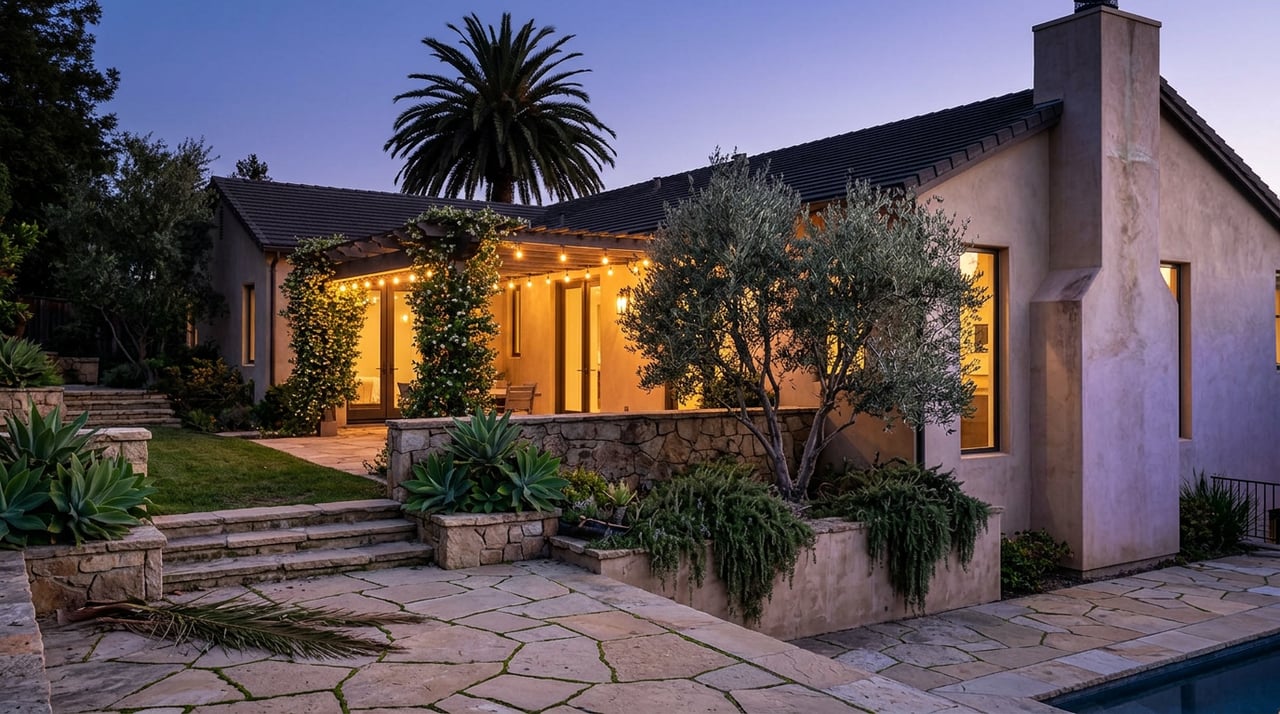
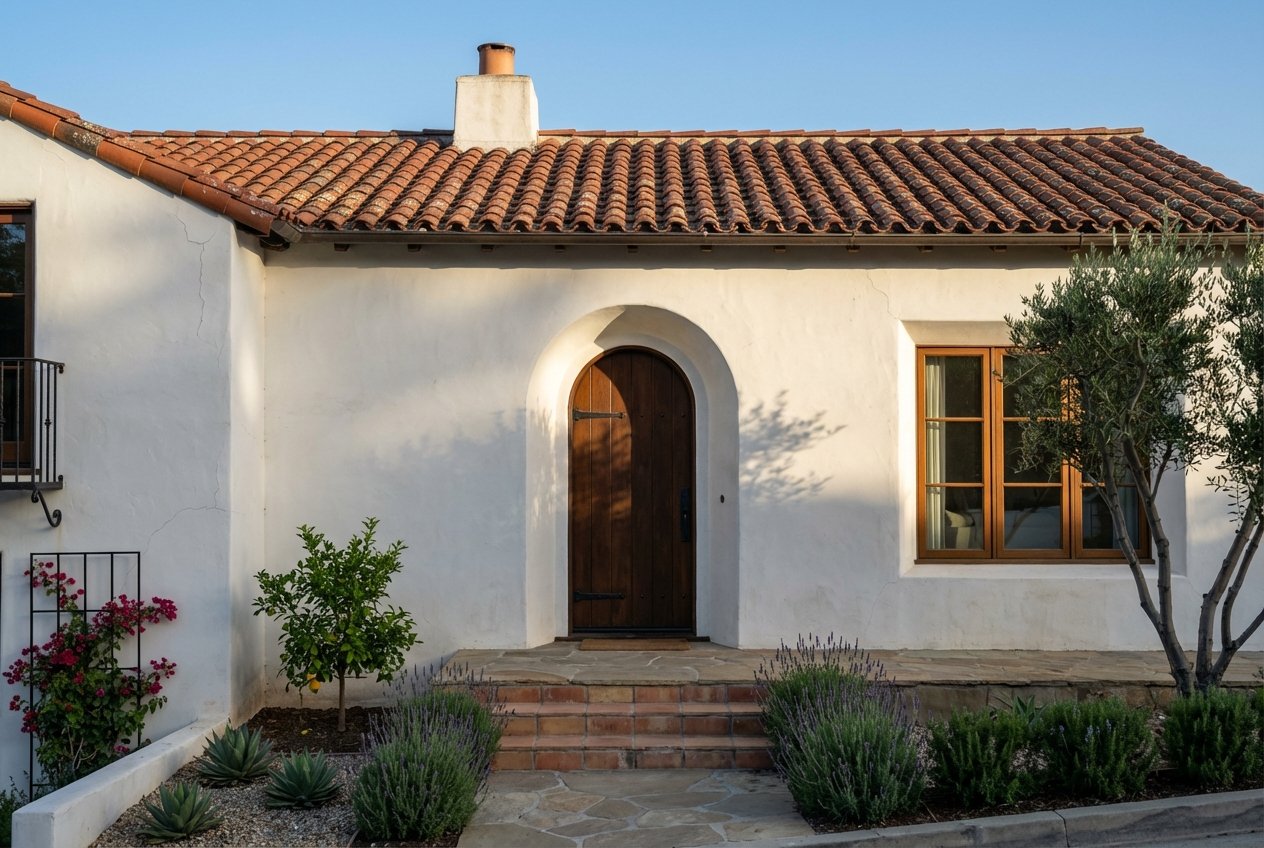
Smooth stucco, red clay tile roofs, and arched openings are your first tells. Look for wrought-iron balconies, colorful tile, and private courtyards tucked behind garden walls. These homes arrived in force during the 1920s and 1930s and appear across the flats and hills. In enclaves like Laughlin Park and the Los Feliz Hills, you’ll find large period revivals and courtyard compositions that echo Southern California’s Spanish influence.
Tudor Revival and Storybook
Think steep gables, tall chimneys, and half-timber details. Diamond-paned or leaded windows and arched doors reinforce the fairytale mood. In Los Feliz, these homes often sit on mature lots where grouped examples give a streetscape real charm. You’ll spot them on quieter residential blocks near the village and along the lower hills.
American Craftsman and bungalows
Craftsman bungalows feature low gabled roofs, wide porches with tapered columns, and exposed rafter tails. Interiors often include built-ins and tile fireplaces. You’ll find many in the flats and in historic pockets such as Hollywood Grove, where period fabric has been well maintained. The City’s Historic Preservation Overlay Zone program outlines how districts like this are reviewed and cared for. Learn more about local HPOZs through Los Angeles City Planning.
Wright’s Mayan and textile-block experiments
In the 1920s, Frank Lloyd Wright and his son Lloyd pushed a bold language of patterned concrete blocks and Mayan-inspired relief. The effect is sculptural and fortress-like, with courtyards and stepped masses. In Los Feliz and its immediate hills, you’ll find some of the most famous examples. The Ennis House, the Sowden House, and the Samuel-Novarro Residence are all privately owned landmarks. If you visit, admire them from public viewpoints only and respect posted guidance. Their preservation stories are well documented by the Conservancy.
Mid-century hillside moderns
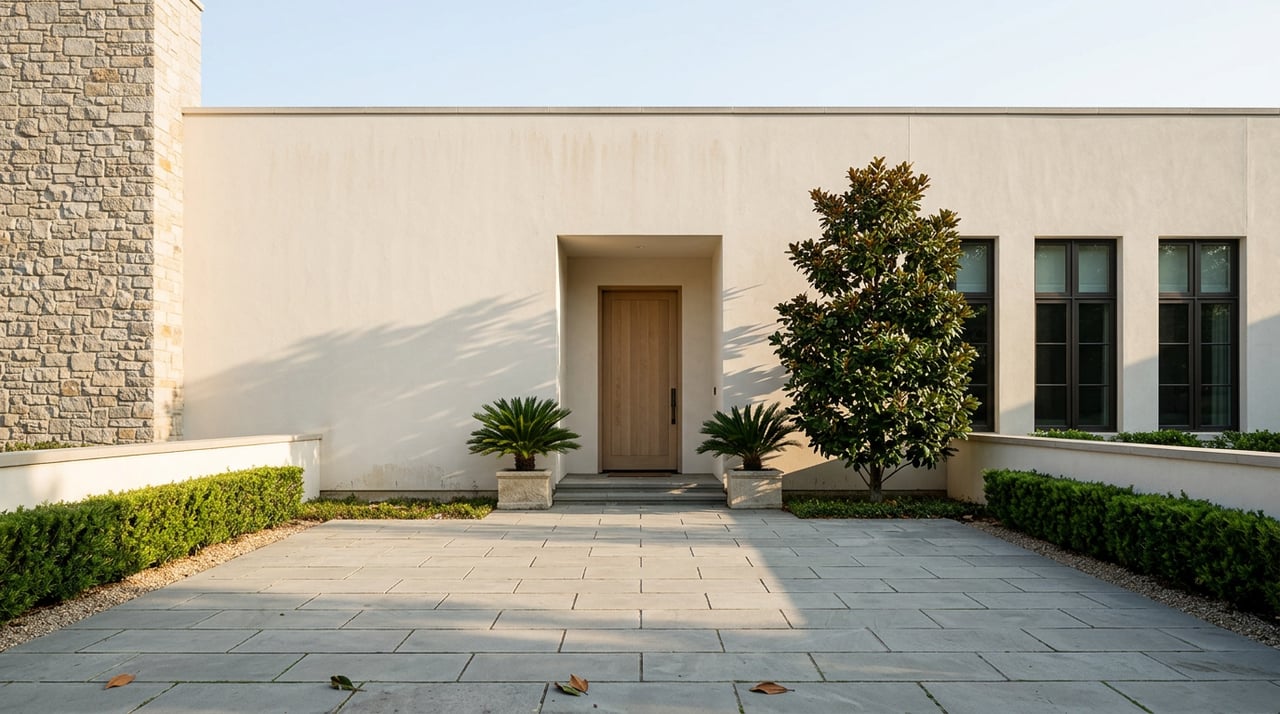
Flat or low-pitched roofs, post-and-beam frames, and expanses of glass define the mid-century hillside homes here. These designs use terraces and cantilevers to navigate steep sites and frame city and canyon views. Architects such as Raphael Soriano and Craig Ellwood left a mark in the area with elegant pavilions tucked into The Oaks and the surrounding hills. Many later remodels follow the same indoor-outdoor rhythm.
Art Deco and Streamline moments
Art Deco appears in geometric ornament and vertical accents, while Streamline Moderne favors rounded corners and horizontal bands. In Los Feliz, these cues show up most often in older theaters and apartment façades rather than single-family homes. The village’s beloved Vista Theatre pairs a Spanish-style exterior with an Egyptian-inspired interior, a classic example of the era’s theatrical mix. Read more in this overview of Los Feliz hidden gems.
Period eclectic and hybrids
Because Los Feliz built out quickly from the 1910s through the 1930s and later welcomed modernist updates, many homes blend influences. You may see a Mediterranean massing with Tudor half-timbering or a Craftsman porch on a stucco villa. This mix is part of the neighborhood’s identity and a reason each block can feel unique.
Where to see signature styles
- Glendower Avenue and the upper hills. Public views of Wright-related textile-block architecture, including the Ennis House. Respect privacy and observe from public spaces.
- Franklin Hills and the Shakespeare Bridge. A photogenic Gothic-inspired span marks this area and leads to streets with Craftsman bungalows and Tudor cottages. Learn more about the Shakespeare Bridge.
- Laughlin Park and Los Feliz Estates. Gated estates and large Spanish or Mediterranean villas signal the early period-revival wave.
- Hillhurst and Vermont corridors. Look for courtyard apartments and historic façades near the Vista Theatre, a village landmark highlighted in this Los Feliz guide.
- The Oaks, Talmadge, and adjoining hillsides. Mid-century and later modernist homes make the most of grade changes with decks, terraces, and glassy living spaces.
Quick style ID checklist
Use these fast cues when reading a home from the street:
- Roofline
- Red clay tile with shallow pitch: Spanish or Mediterranean
- Steep cross gables with tall chimneys: Tudor or Storybook
- Flat or very low pitch with broad overhangs: Mid-century modern
- Openings and details
- Arched doors and windows, iron balconies: Spanish or Mediterranean
- Diamond-paned glass, half-timbering: Tudor or Storybook
- Floor-to-ceiling glass, post-and-beam rhythm: Mid-century
- Surfaces and materials
- Smooth stucco with colorful tile accents: Spanish or Mediterranean
- Patterned concrete blocks, heavy geometric relief: Wright’s textile-block
- Shingles, masonry piers, visible rafters: Craftsman
- Site and landscape
- Courtyard plan set behind walls: Spanish or Mediterranean
- Terrace steps, decks, and cantilevers over slope: Mid-century hillside
Preservation and what buyers should know
Many Los Feliz properties carry historic value. The City protects individual landmarks and districts through Historic-Cultural Monuments and HPOZs. If you are considering exterior work in an HPOZ, design changes are reviewed for consistency with the district’s plan. You can learn how districts work at Los Angeles City Planning’s HPOZ page.
If you own or are targeting a qualifying historic property, the Mills Act can offer a valuable property tax incentive in exchange for a commitment to preservation work. Program details and contracts matter, so review current guidance from City Planning’s incentives and resources before you proceed.
Hillside homes in Los Feliz also follow special development standards that influence design. Setbacks, grading limits, and other rules often lead to compact footprints, terraced yards, and retaining walls rather than large flat lawns. For a sense of why hillside architecture looks and functions the way it does, review the city’s hillside area standards.
Finally, plan for age-appropriate inspections. Older homes often need stucco and tile roof maintenance, seismic upgrades, and electrical updates. Termite and wood-rot checks are common due diligence items. In mid-century houses, large panes of glass and steel framing may call for specialist care.
If you love design, here’s your next step
Los Feliz is rich with story and style, from courtyard villas to glassy hill houses. If you are drawn to this neighborhood’s architecture and want a tailored plan to buy, sell, or lease, we would love to help. With editorial presentation, white-glove brokerage, and integrated hospitality for furnished rentals, we make the process seamless. Connect with Carey More to explore on or off market options and craft a strategy that fits your life.
FAQs
What architectural styles are most common in Los Feliz?
- You’ll see Spanish and Mediterranean revivals, Tudor and Storybook cottages, Craftsman bungalows, mid-century modern hillside homes, and landmark Wright-era textile-block residences, plus eclectic hybrids across many blocks.
Where can I see Frank Lloyd Wright’s influence in Los Feliz?
- The Ennis House in the hills above Los Feliz is a key example of Wright’s textile-block work, with other Mayan-influenced homes by Lloyd Wright nearby. These are private, so view respectfully from public streets. Start with the Ennis House overview.
What is the HPOZ and how might it affect my remodel?
- An HPOZ is a local historic district. Exterior changes typically require review for consistency with the preservation plan, which can guide materials and visible alterations. Learn more at City Planning’s HPOZ page.
How does the Mills Act help historic property owners?
- The Mills Act can reduce property taxes for owners who enter a contract to preserve and maintain a qualifying historic property. Program terms vary, so confirm current rules via City Planning’s incentives page.
Are there public landmarks I can visit in or near Los Feliz?
- Yes. Griffith Park anchors the area, and nearby Barnsdall’s Hollyhock House is a public site. In the village, the Vista Theatre is a beloved historic venue. Griffith Park history is covered by the Conservancy’s guide.
Why do Los Feliz hillside homes look different from flats homes?
- Hillside development standards limit grading and shape how homes meet steep lots. That leads to terraces, decks, and compact footprints instead of large flat yards. You can review the city’s hillside standards.
What inspections are most important for older Los Feliz homes?
- Plan for roof and stucco checks, seismic retrofits, termite and wood-rot inspections, and electrical evaluations. Mid-century homes may also need glazing or steel-frame specialists.