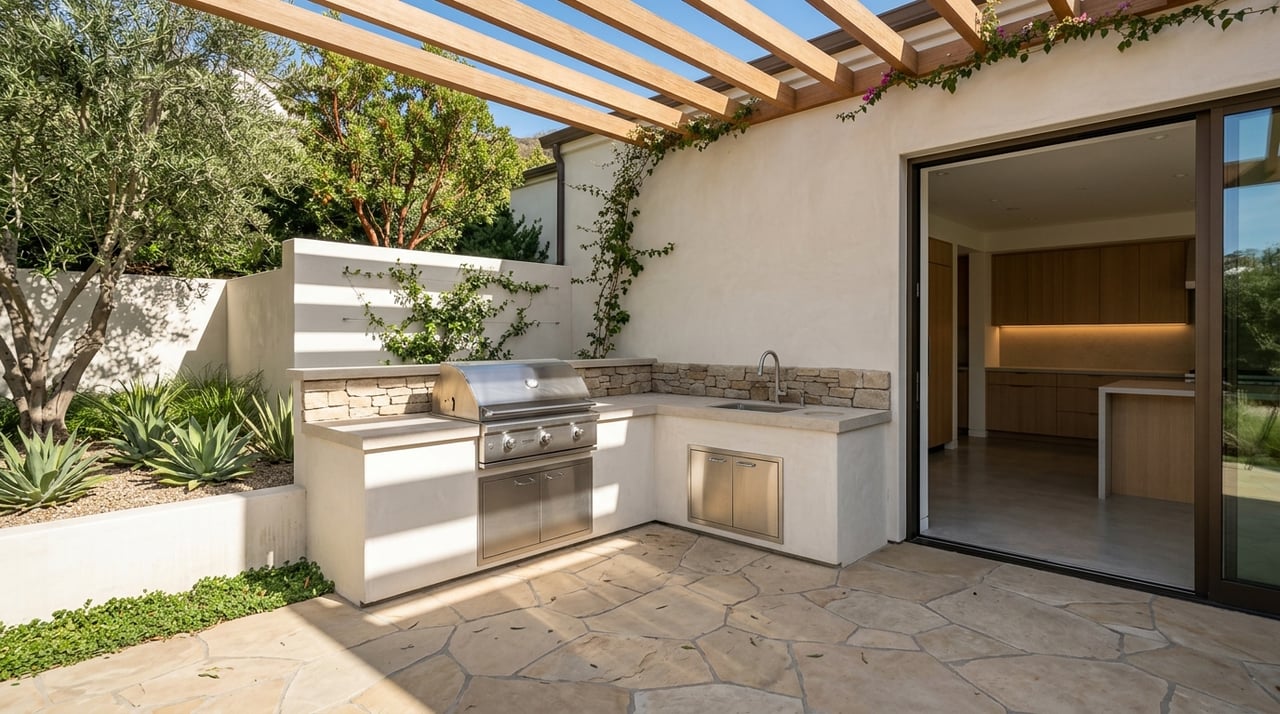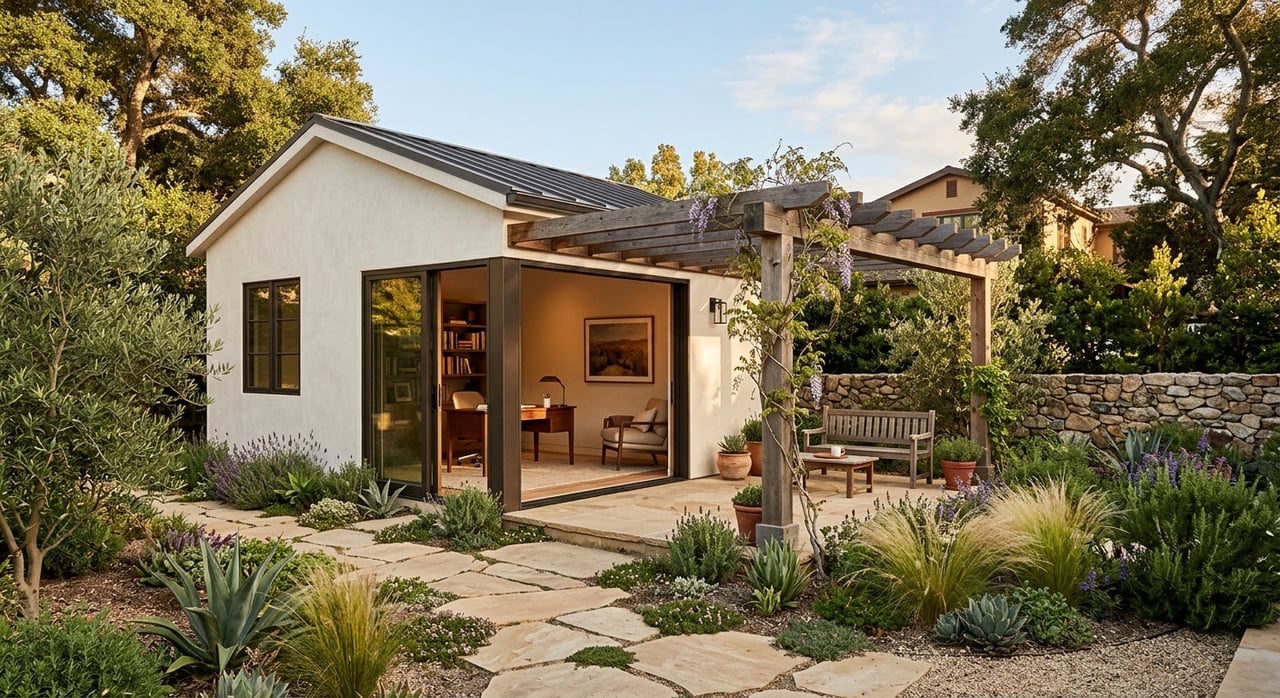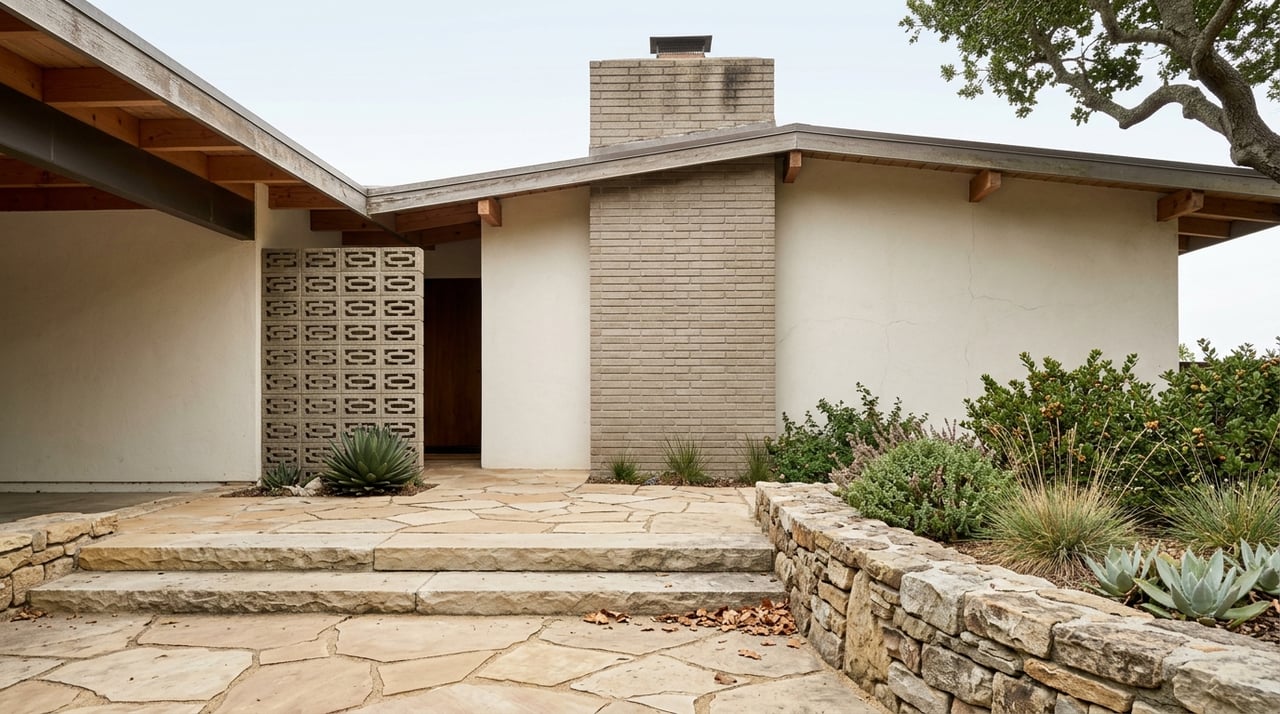
You can almost feel the salt air the moment you picture it: slow mornings by the beach, quiet canyon evenings, and weekends that actually feel like weekends. If you’re exploring a seasonal home in Malibu, you likely want privacy, ease, and a place that welcomes you the second you arrive. This guide breaks down how Malibu retreat ownership really works, from property types and regulations to maintenance and lock-and-leave support. Let’s dive in.
Why a Malibu retreat works
Many second-home buyers choose Malibu for its beaches, outdoor access, and sense of escape within reach of LA. You might plan long weekends, summer months, or holiday stretches, then step away when life gets busy. Some owners keep homes strictly private, while others allow occasional rentals. The key is choosing a setting and ownership model that fits your lifestyle.
Oceanfront, canyon, or inland
Oceanfront and bluff living
You get the views and the beach. Oceanfront and bluff properties often have direct access or cliffside outlooks that feel cinematic. Expect higher exposure to salt spray and humidity, which can accelerate wear on paint, metal, and mechanical systems. Coastal development can also involve additional permitting, so confirm what is allowed before planning changes.
Canyon and hillside settings
Canyon homes offer privacy, tree canopy, and larger lots in some areas. You trade a quick stroll to the sand for a quieter, protected feel and scenic drives. These locations have elevated wildfire and slope stability considerations, so plan for defensible space, drainage management, and periodic inspections.
Inland neighborhoods near PCH
If you want coastal living with fewer direct marine impacts, look near Pacific Coast Highway but off the sand. You still get the Malibu climate, with easier access to services and often more conventional maintenance needs. Many homes in these areas connect to municipal infrastructure, which can simplify upkeep compared with some hillside or bluff parcels.
How seasonal owners use their homes
Most seasonal owners follow one of three patterns. You might do frequent weekend and holiday escapes. You might block time for summer or winter, then close up for months. Or you might set a few multi-week stays throughout the year. A light, lock-and-leave setup with scheduled cleaning, maintenance, and security checks gives you a simple arrival every time.
Financing, taxes, and insurance basics
Second-home financing
Lenders usually categorize homes as primary, second home, or investment. Seasonal retreats are often second homes if you occupy the property part of the year and do not use it primarily as a rental. Underwriting for second homes can be stricter than for primary residences, with larger down payments, reserve requirements, and potentially higher rates. Speak with a mortgage professional who handles second-home lending so you understand occupancy and rental rules before you apply.
Property taxes in LA County
California property tax assessments are shaped by Proposition 13 rules, which limit annual increases to the assessed value until a change of ownership or new construction triggers reassessment. Review parcel history and current obligations with the Los Angeles County Assessor before you write your offer.
Insurance: wildfire, flood, quake
Malibu’s risk profile includes wildfire, wind and storm, coastal flooding and erosion, and earthquakes. Many coastal and hillside owners have seen insurance changes or premium increases in recent years. Work with brokers who understand California’s wildfire and coastal markets, and review resources from the California Department of Insurance to understand options and the role of last-resort coverage in high-risk areas. If a home sits in a FEMA flood zone, lenders may require separate flood insurance; check the FEMA Flood Map Service Center early in due diligence.
Renting and taxes
If you plan to rent your home when you are not there, understand how tax rules treat personal use days and rental days. Review federal guidance in IRS Publication 527 and speak with a tax advisor. Confirm whether local transient occupancy taxes or permits apply before you list any short-term rental.
Lock-and-leave ownership tips
Service models that work
- Full-service property management: A single point of contact handles maintenance, vendor coordination, emergencies, and guest support if you rent part-time.
- Concierge management: Scheduled cleaning, home prep before you arrive, light vendor coordination, and security checks. Great if you keep the home mostly private.
- A la carte vendors: Separate contracts for housekeeping, pool, landscape, security, and repairs. This can work if you or a trusted local contact coordinate.
Smart home tools that help
Smart locks, cameras that follow local privacy rules, leak sensors, thermostats, and energy monitoring can reduce on-site visits and protect systems. Set up remote water shutoff for peace of mind when you leave. Create a clear authorization process with vendors for urgent repairs.
Seasonal checklists
- Monthly: landscaping and trash removal, pool service, exterior lighting check, security system test.
- Quarterly: deep clean, pest control, roof and gutter review after storm season.
- Pre-arrival: clean and prep, set temperature, run systems, stock essentials.
- Post-departure: remove trash, scan for leaks or moisture, set back HVAC, arm alarms.
- Annual or as needed: termite inspection, septic service if applicable, exterior resealing or repainting.
Due diligence and risk checks
Environmental and hazards
- Wildfire: Review neighborhood fire history and hardening measures. Track regional conditions with Cal Fire incident maps.
- Flood and erosion: Confirm flood zone status through the FEMA Flood Map Service Center. For long-term planning, view coastal change scenarios using the NOAA Sea Level Rise Viewer.
- Landslide and slope stability: For canyon or hillside parcels, study geological reports and consult the USGS landslide hazards program.
Permits and rental rules
If you plan renovations or rentals, verify local ordinances, coastal regulations, and any HOA rules during the contingency period. Oceanfront work can involve added layers of review, and short-term rentals often require registration and taxes. Confirm the permit history and the path for any future improvements before you commit.
Liquidity and resale
High-end coastal homes can have a smaller buyer pool and longer market times than mid-priced LA neighborhoods. Values can be sensitive to regulatory shifts, environmental events, and insurance availability. Build in time for marketing, and present the property at a high standard when you sell.
How Carey More supports you
You want this purchase to feel effortless, from the first showing to every future arrival. Carey combines editorial-grade presentation with hands-on hospitality to match you with the right setting, then keep it turnkey. Through The Agency, you get expert guidance on acquisitions, valuations, due diligence, and resale strategy. Through Hidden Chic Villas, you can layer on concierge support, guest management for furnished stays if desired, and a vetted vendor network for maintenance, security, and seasonal prep.
The result is a seasonal home that is beautiful to live in and simple to own. When you are ready, we can walk you through property types, risks, insurance and tax considerations, and a realistic management plan tailored to how you travel. If Malibu is calling, we will help you answer with confidence.
Ready to explore Malibu retreat options or set up a lock-and-leave plan for a home you already own? Connect with Carey More for discreet guidance and curated options.
FAQs
Is short-term renting allowed for Malibu second homes?
- It depends on current local ordinances, coastal regulations, and any HOA rules. Verify permits, registration, and any transient occupancy taxes before listing your home.
What insurance do Malibu retreat owners usually need?
- Most owners explore homeowners coverage plus separate policies for flood and earthquake. Review wildfire and coastal risk with a specialist and consult the California Department of Insurance for market updates.
How often should I service a coastal Malibu home?
- Plan for monthly basic checks, quarterly deep maintenance, and annual inspections for termites, roofs, and exterior sealing. Salt air and humidity can increase maintenance frequency.
How are California property taxes handled on a second home?
- Assessments follow Proposition 13 limits until a change of ownership or new construction triggers reassessment. Confirm details and current obligations with the Los Angeles County Assessor.
Where can I check flood and erosion risk for a Malibu property?
- Use the FEMA Flood Map Service Center for flood zone status and the NOAA Sea Level Rise Viewer for long-term coastal change scenarios.