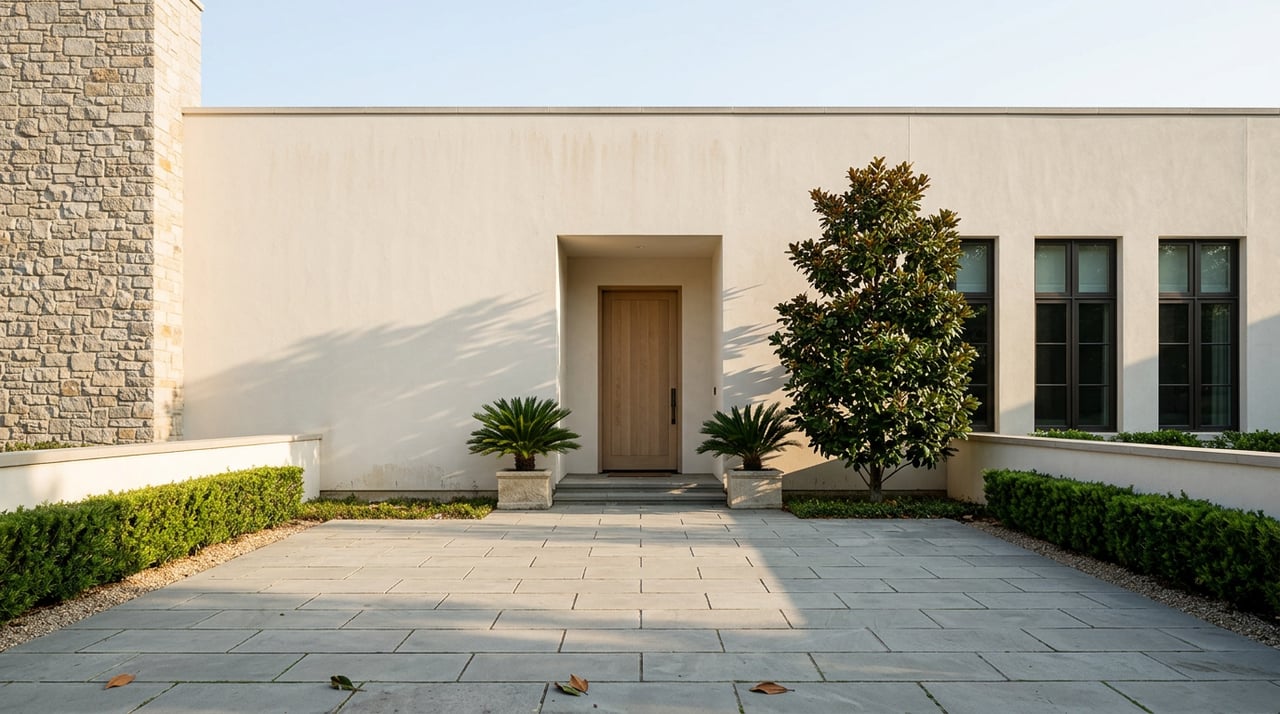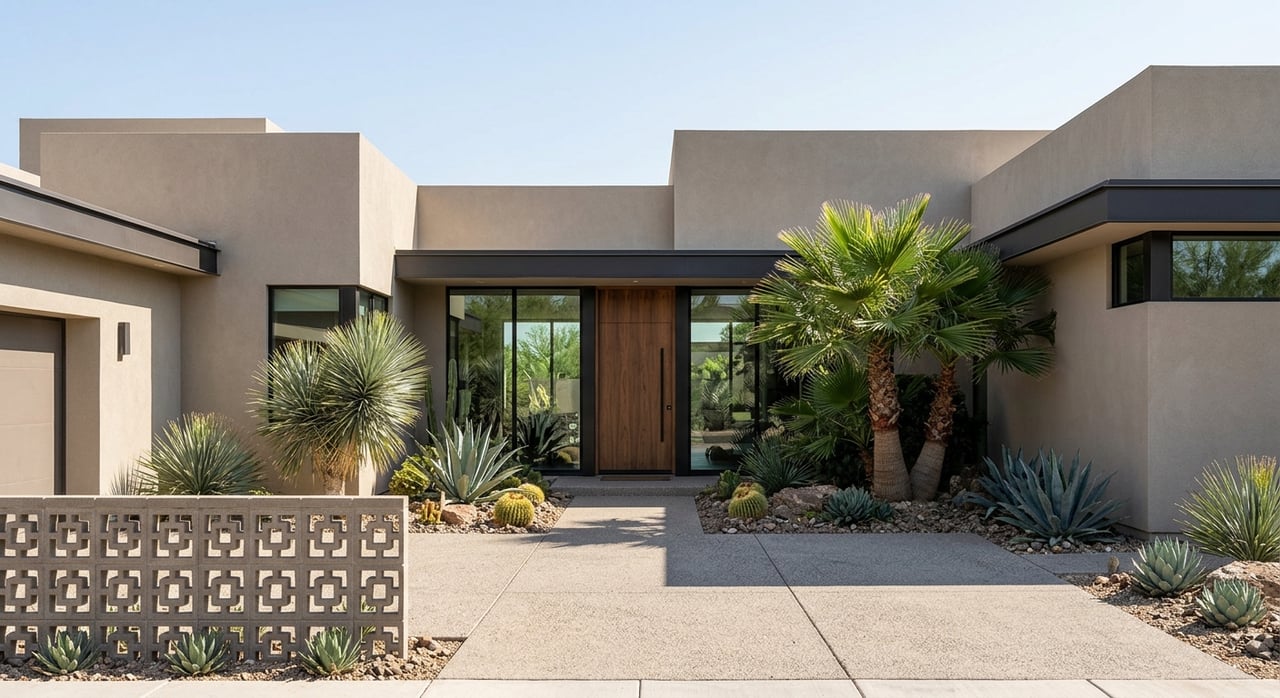
Palm Springs can feel like one dream destination, but for a second-home buyer, it helps to think of it as a city of distinct neighborhoods. Your ideal fit depends on how you want to use the home when you arrive: as a walkable weekend base, a design-led retreat, a quiet view property, or a lower-maintenance lock-and-leave. If you are trying to narrow the search, this guide will help you compare Palm Springs neighborhoods through that lens. Let’s dive in.
Start With Your Second-Home Priorities
The City of Palm Springs identifies itself as a modern urban village and notes that it includes 52 organized neighborhoods. That matters because there is no single “best” area for every second-home buyer.
A more useful question is this: how do you want the home to live? In Palm Springs, the right neighborhood often comes down to five practical filters:
- Walkability to downtown or Uptown
- Architectural style and historic character
- Privacy, lot size, and views
- Access to trails and outdoor landmarks
- Ease of upkeep between visits
If you begin with those filters, your search becomes much more focused.
Walkable Neighborhoods Near Downtown
If you want your second home to function like a relaxed weekend base, central Palm Springs deserves an early look. Downtown and Uptown are the city’s strongest cultural anchors, home to the Palm Springs Art Museum, VillageFest, and the Uptown Design District along North Palm Canyon Drive.
That central location can shape how often you actually use the home. If you can arrive, settle in, and walk to dining, shopping, and events, the property may feel more spontaneous and easier to enjoy.
Historic Tennis Club
Historic Tennis Club is one of the clearest choices for buyers who want to be close to the energy of downtown. According to Visit Palm Springs, it is the beating heart of downtown, with 11 registered historic structures and nearly two dozen boutique hotels.
This neighborhood may suit you if you want Palm Springs to feel lively and connected rather than tucked away. For many second-home buyers, that means less planning and more easy weekends.
Sunrise Park
Sunrise Park offers a more residential feel while staying less than a mile from downtown and Uptown. It is known for midcentury homes and the Palm Springs Cultural Center, making it a strong middle ground between convenience and a quieter setting.
If you want central access without feeling fully in the middle of town, this is a practical area to explore. It can offer flexibility without giving up location.
Movie Colony
Movie Colony sits on the central grid between Vista Chino, Alejo, Sunrise Way, and Avenida Caballeros, according to Palm Springs Life and Visit Palm Springs. Its architecture includes Spanish Colonial Revival, other revival styles, midcentury modern, and minimalist forms.
That variety can appeal if you want a central location but do not want to limit your search to one aesthetic. It is a neighborhood where convenience and architectural range meet.
Oasis Del Sol
Oasis Del Sol is often an appealing match for buyers who expect to come and go often. Visit Palm Springs highlights its easy airport access and proximity to downtown.
For a second home, that kind of convenience matters more than people sometimes expect. If short stays are part of your plan, easier arrivals and departures can make ownership feel simpler.
Best Areas For Palm Springs Architecture
For many buyers, Palm Springs is as much about design as it is about sunshine. If architecture is central to your search, certain neighborhoods stand out for their historic pedigree, coherent streetscapes, or landmark modernist identity.
Old Las Palmas
Old Las Palmas is Palm Springs’ first and oldest neighborhood, dating to the mid-1920s. It includes about 300 homes and reflects nearly every period of the city’s development, from Spanish and Western styles to midcentury, contemporary, and postmodern design.
If you love architectural layers and a sense of history, this is one of the most compelling neighborhoods in the city. It offers variety, but with real pedigree.
Vista Las Palmas
Vista Las Palmas is one of Palm Springs’ signature midcentury districts. Palm Springs Life notes its 1950s homes, butterfly roofs, and A-frame forms.
This is a natural fit if your version of a Palm Springs second home includes iconic rooflines and a strong visual identity. It is one of the neighborhoods most closely tied to the classic modernist image many buyers have in mind.
Deepwell Estates and Twin Palms
Deepwell Estates combines celebrity-era history with established midcentury credentials. Twin Palms, meanwhile, is recognized by Visit Palm Springs as the birthplace of large-scale Modernism in Palm Springs and the city’s first truly modern housing tract.
If you are drawn to classic design but still want a neighborhood that feels residential and rooted, both deserve a place on your shortlist. They each offer a clear connection to Palm Springs design history.
Racquet Club Estates, El Rancho Vista Estates, and Sunmor Estates
These neighborhoods are especially useful if you value architectural consistency. Racquet Club Estates is known for post-and-beam construction, clerestory windows, open floor plans, and iconic designs by William Krisel, Jack Meiselman, and Donald Wexler.
El Rancho Vista Estates is a smaller tract of 115 homes designed by Donald Wexler and Richard Harrison, while Sunmor Estates retains many classic modernist features from the 1950s and 1960s. If you want a coherent neighborhood feel with recognizable midcentury details, these areas stand out.
Neighborhoods For Views And Privacy
Some second-home buyers want less activity and more retreat. If privacy, mountain backdrops, or a stronger connection to the desert landscape matter most, South Palm Springs and selected hillside pockets may be a better fit.
Andreas Hills
Visit Palm Springs describes Andreas Hills as the Bel Air of Palm Springs. Surrounded by Indian Canyons, it is one of the strongest fits for buyers who want a quiet, scenic, outdoor-oriented setting.
If your second home is meant to feel restorative and removed, this neighborhood offers a strong sense of place. It tends to align with buyers who prioritize atmosphere over walkability.
The Mesa and Little Tuscany
The Mesa mixes native adobe, Spanish-inspired, midcentury modern, and contemporary architecture on rugged South Palm Springs hillsides. Little Tuscany, which began in 1934 among rocky outcroppings, is known for elevated vistas across the valley floor.
Both areas may appeal if you want a more dramatic setting. They can deliver personality, topography, and a closer relationship to the natural terrain.
Araby Cove and Vista Norte
Araby Cove is a small hillside pocket with fewer than 100 homes, including bungalows, cabin-like retreats, and modern builds, all with broad desert and city views. Vista Norte offers unrestricted views in every direction thanks in part to its central location and underground utilities.
These are useful neighborhoods to compare if views are high on your list but you want different expressions of that idea. Araby Cove feels intimate and tucked into the hillside, while Vista Norte offers a more open visual experience.
Best Areas For Outdoor Access
If your second home is really about spending time outside, look closely at neighborhoods tied to Palm Springs’ major natural anchors. This is where use pattern matters again. A home near your favorite outdoor destinations often gets enjoyed more often.
Visit Palm Springs notes that Indian Canyons, Tahquitz Canyon, and the Palm Springs Aerial Tramway corridor are among the city’s strongest outdoor access points. Indian Canyons is just minutes from downtown and includes shaded palm groves and streamside trails, while Tahquitz Canyon offers a 1.8-mile loop to a 60-foot waterfall. The tramway climbs to Mount San Jacinto State Park, where there are more than 50 miles of hiking trails.
Indian Canyons
Indian Canyons is especially compelling if you want architecture and outdoor access in one setting. Visit Palm Springs says the neighborhood sits near a cove protected from the full brunt of desert winds and summer sun and is adjacent to the world’s largest grove of wild palm trees.
For some buyers, that blend is the sweet spot. You get custom midcentury homes plus immediate access to one of the area’s defining landscapes.
Andreas Hills Revisited
Andreas Hills belongs in this conversation too. Its location near Indian Canyons gives it a strong outdoor orientation without losing its quiet, scenic feel.
If hiking, desert scenery, and a slower rhythm shape how you picture your stays, Andreas Hills may offer a better match than a central neighborhood.
Lower-Maintenance And Easier-Use Options
Not every second-home buyer wants a property that requires a lot of oversight. If you plan to use the home part time, lower-maintenance neighborhoods and newer construction can be especially appealing.
The research suggests that flatter tract neighborhoods and newer homes will often feel simpler to manage than steep hillside lots or historic properties. That is not about quality. It is about how much coordination, upkeep, and design sensitivity ownership may require between visits.
Mountain Gate
Mountain Gate is the newer-construction outlier in this mix. Built in 2003, it includes about 450 contemporary residences and is the first residential development visible when entering Palm Springs from the north.
If you prefer a more current home and a simpler lock-and-leave experience, this is a useful neighborhood to compare against the city’s older design districts.
Tahquitz Creek Golf and Sunrise Vista Chino
Tahquitz Creek Golf centers condos and single-family homes around the Tahquitz Creek Golf Resort and the Tahquitz Creek Wash. Sunrise Vista Chino is noted for its mix of residential styles and proximity to essential services and downtown.
These areas can make sense if convenience and easier day-to-day ownership matter more than historic cachet. For many second-home owners, that tradeoff is worth considering.
Racquet Club West
Racquet Club West is prized for large lots and a broad mix of architectural styles, including houses, estates, apartments, and luxury condos. That range may give you more flexibility depending on whether you want space, simplicity, or a particular ownership style.
It is a good reminder that Palm Springs does not force you into one version of second-home ownership. Different neighborhoods support different rhythms.
Historic Status And Rental Rules Matter
Two practical issues can shape your decision more than buyers first expect: historic review and vacation rental rules.
The city states that historic districts and designated historic properties may be subject to review, and changes can require approvals for demolition, major alterations, and some minor alterations. If you are buying for architectural significance, that may be part of the appeal, but it also adds an ownership consideration.
Vacation rental use has its own rules. According to the City of Palm Springs, vacation rentals and homesharing are allowed only as ancillary and secondary uses of residential property, are limited to single-family dwelling units, and are capped at 26 contracts per year for newer permittees and 32 for existing permittees. The city also lists a $1,072 registration fee, a $453 estate home land use permit, a $25 transient occupancy tax permit, and liability insurance of at least $500,000.
If you are considering occasional guest use, those rules should be part of your neighborhood conversation from the start. A beautiful home is only part of the equation. The ownership model needs to fit your actual plans.
How To Narrow Your Search
If you want a simple way to shortlist neighborhoods, start by matching your lifestyle to the area.
- For walkability and culture: Historic Tennis Club, Sunrise Park, Movie Colony, Oasis Del Sol
- For classic Palm Springs architecture: Old Las Palmas, Vista Las Palmas, Deepwell Estates, Twin Palms, Racquet Club Estates
- For views and privacy: Andreas Hills, The Mesa, Little Tuscany, Araby Cove, Vista Norte
- For easier upkeep or newer construction: Mountain Gate, Tahquitz Creek Golf, Sunrise Vista Chino, Racquet Club West
- For outdoor access: Indian Canyons, Andreas Hills, neighborhoods near Tahquitz Canyon and the Tramway corridor
The best second home is not just the one that photographs well. It is the one that supports the way you want to arrive, stay, host, and return.
If you are weighing Palm Springs through a design, lifestyle, and ownership lens, Carey More brings a thoughtful, hospitality-minded perspective to the process. Whether you are searching for a design-forward retreat or a more hands-off second home, the right neighborhood is where the story begins.
FAQs
Which Palm Springs neighborhoods are most walkable for a second home?
- Historic Tennis Club, Sunrise Park, Movie Colony, and Oasis Del Sol are among the strongest choices if you want easier access to downtown or Uptown.
Which Palm Springs neighborhoods are best for midcentury architecture?
- Vista Las Palmas, Twin Palms, Racquet Club Estates, El Rancho Vista Estates, Sunmor Estates, and Deepwell Estates all stand out for strong midcentury identity or design history.
Which Palm Springs neighborhoods are best for views and privacy?
- Andreas Hills, The Mesa, Little Tuscany, Araby Cove, and Vista Norte are strong options if you want a quieter setting, wider vistas, or more separation from the central core.
Which Palm Springs neighborhoods may feel easier to maintain as a second home?
- Mountain Gate, Tahquitz Creek Golf, Sunrise Vista Chino, and some flatter tract neighborhoods may feel simpler to manage than hillside or historic properties.
How does historic status affect a Palm Springs second home purchase?
- Historic properties and homes in historic districts may be subject to city review for demolition, major alterations, and some minor alterations, so it is important to understand that oversight before you buy.
What should buyers know about Palm Springs vacation rental rules for second homes?
- The city allows vacation rentals and homesharing only as ancillary and secondary uses, limits them to single-family homes, caps annual contracts for permittees, and requires registration, permits, and liability insurance.