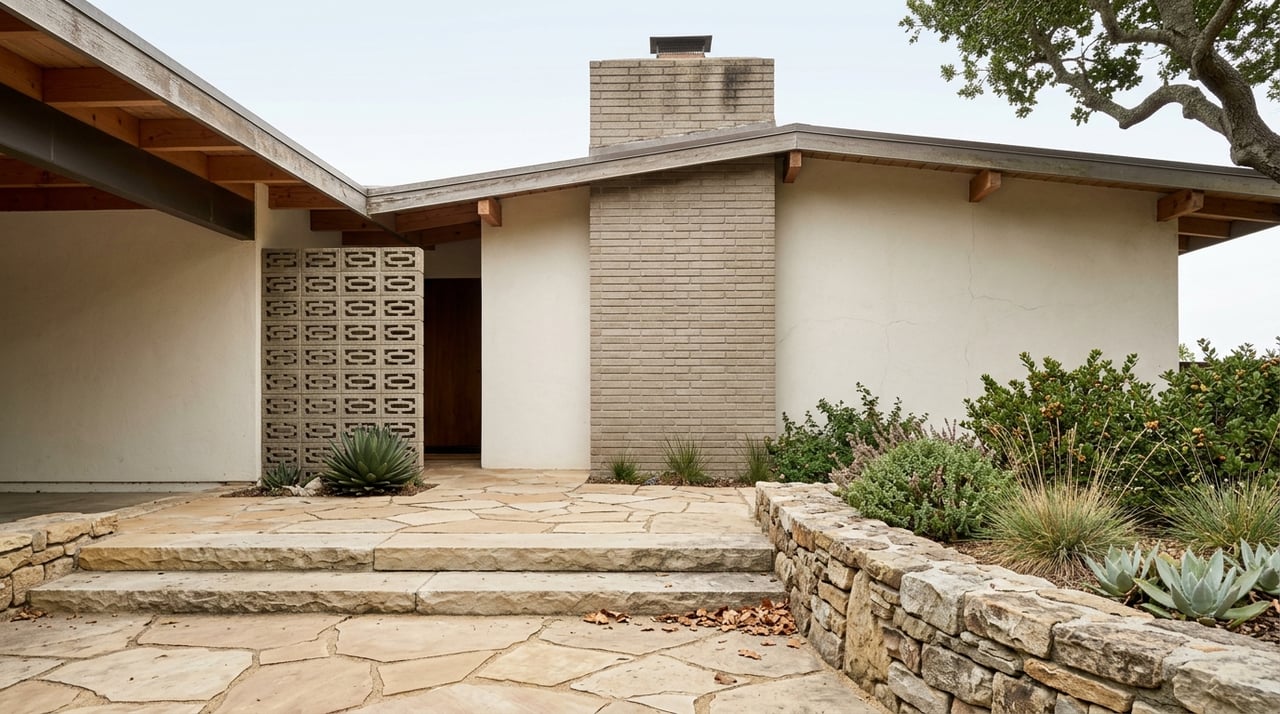
Choosing between a modern home and a mid-century home in Hollywood Hills is not just about taste. In this part of Los Angeles, architecture and hillside living go hand in hand, and the home that looks right on paper may feel very different once you factor in views, terrain, access, and future renovation limits. If you are weighing both styles, this guide will help you understand how each one lives, what makes them distinct, and what to look for before you commit. Let’s dive in.
Why Hollywood Hills Changes the Conversation
In Hollywood Hills, the setting shapes the experience as much as the architecture. This is a hillside market with slope, vegetation, canyon edges, and view corridors that can all influence what a home looks like, how it functions, and what changes may be possible later.
The local planning framework matters here. The Hollywood Community Plan area includes hillside communities, and exterior changes may be affected by tools such as the Hillside Construction Regulation Supplemental Use District, the Mulholland Scenic Parkway Specific Plan, and historic preservation overlays in nearby Hollywood-area neighborhoods. That means two homes with similar square footage can come with very different rules depending on where they sit.
Fire exposure also plays a major role in the decision. CAL FIRE notes that Fire Hazard Severity Zone maps are based on vegetation, terrain, climate, crown fire potential, and ember movement, while the Los Angeles safety element identifies Hollywood among communities affected by the Very High Fire Hazard Severity Zone in the city’s hilly and mountainous areas.
What Defines a Modern Home
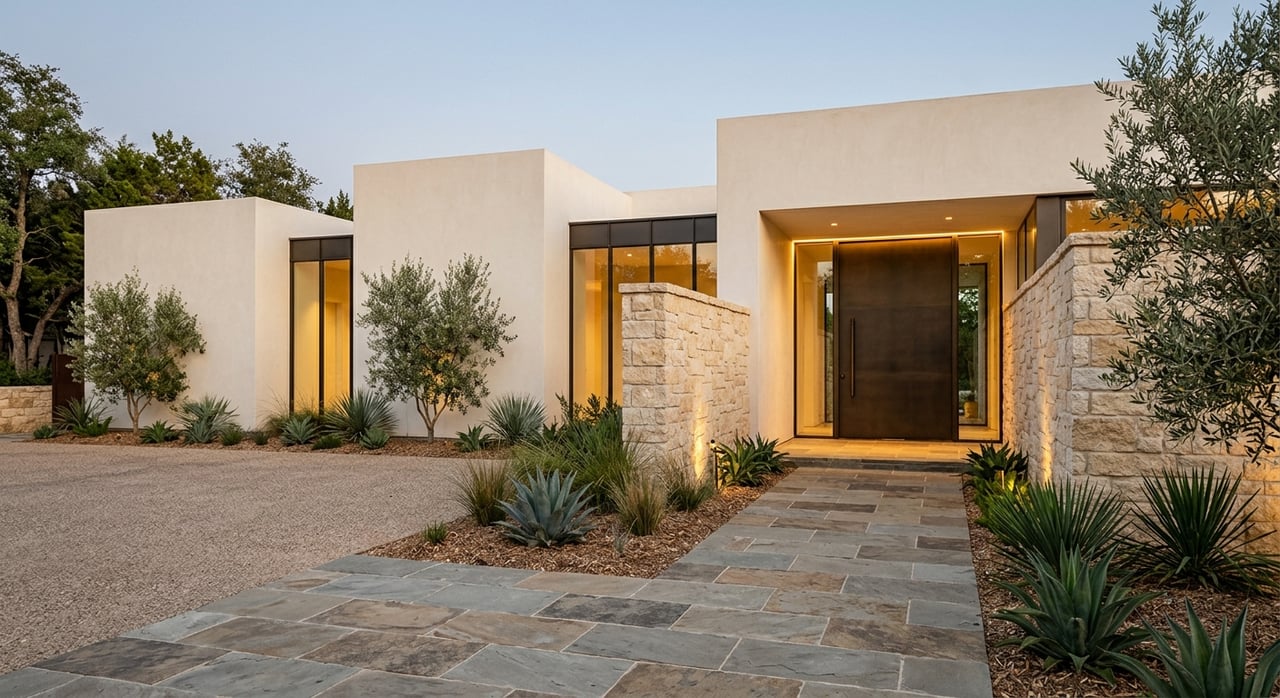
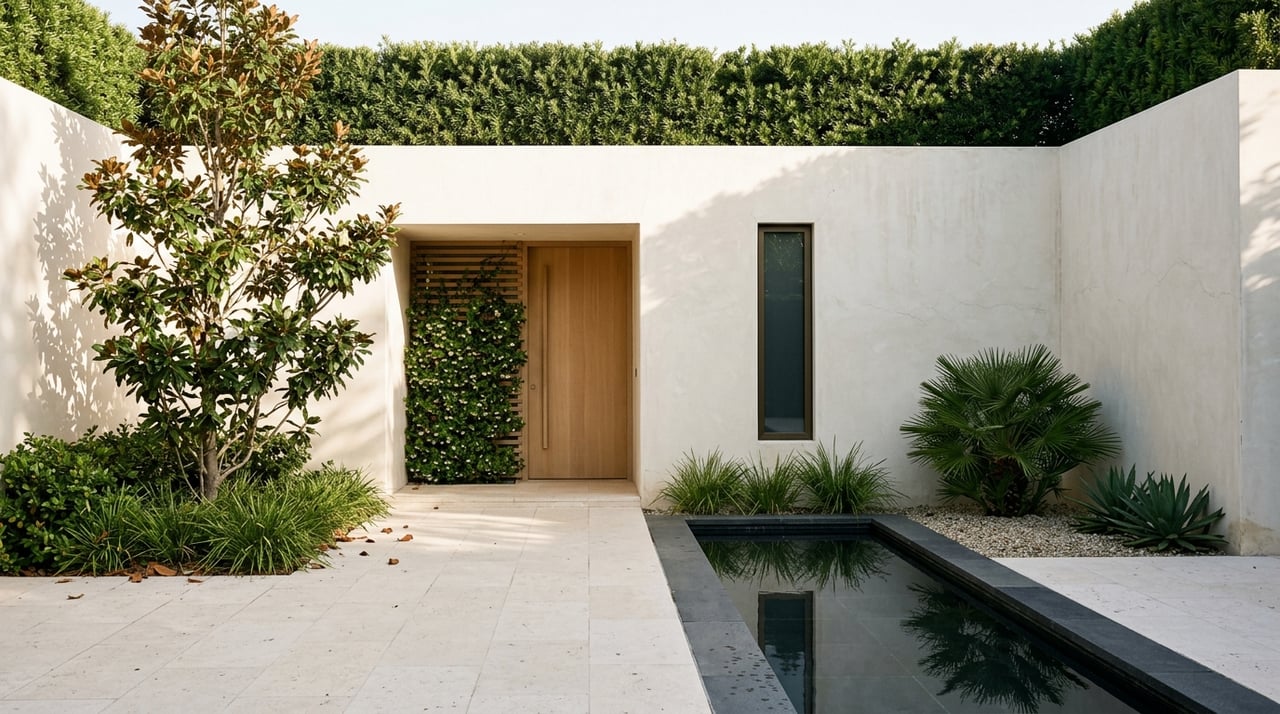
Modern architecture is generally tied to a 20th-century movement that favors minimalism, clean lines, balanced composition, exposed building materials, and very little historical ornament. Getty also points to function, open rooms, natural light, and a strong connection to the outdoors as defining themes.
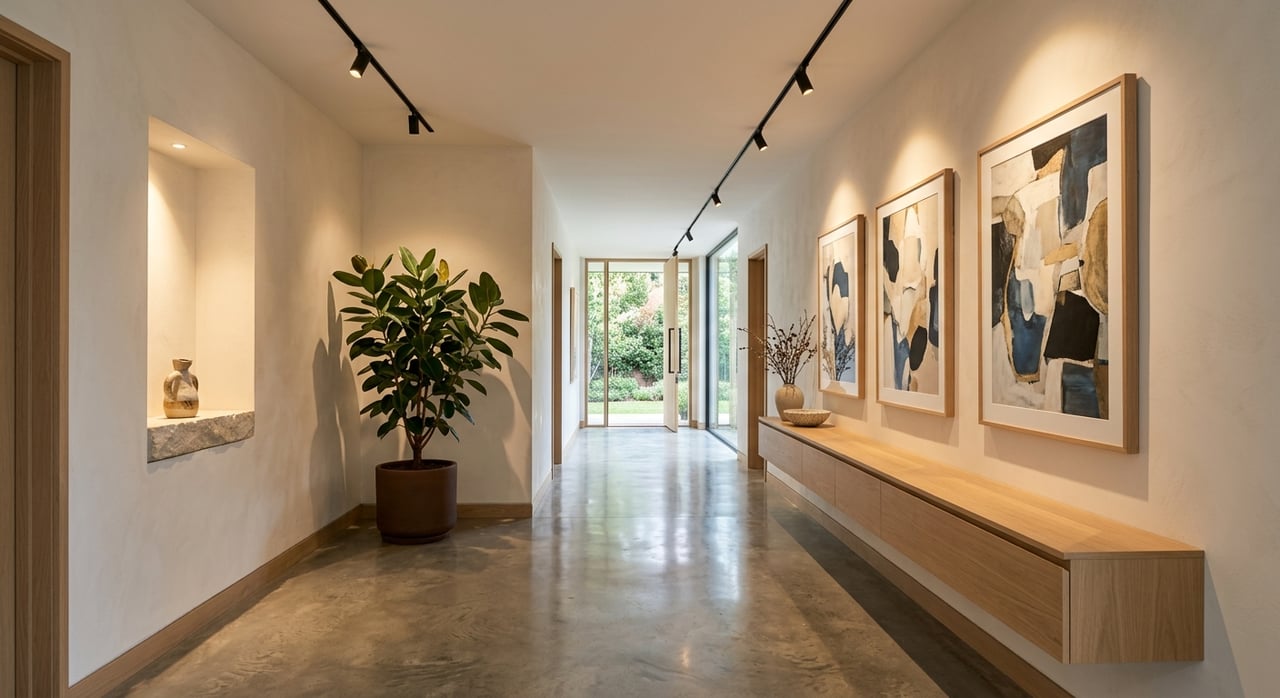
In practical terms, a modern home in Hollywood Hills often feels pared back and view-forward. Rooms tend to read as calm, open spaces, with fewer visual interruptions and a more neutral backdrop for art, furnishings, and contemporary living.
You will often notice a gallery-like quality in these homes. The architecture is usually less about decorative detail and more about proportion, volume, glazing, and the way the house frames the landscape beyond it.
What Defines a Mid-Century Home
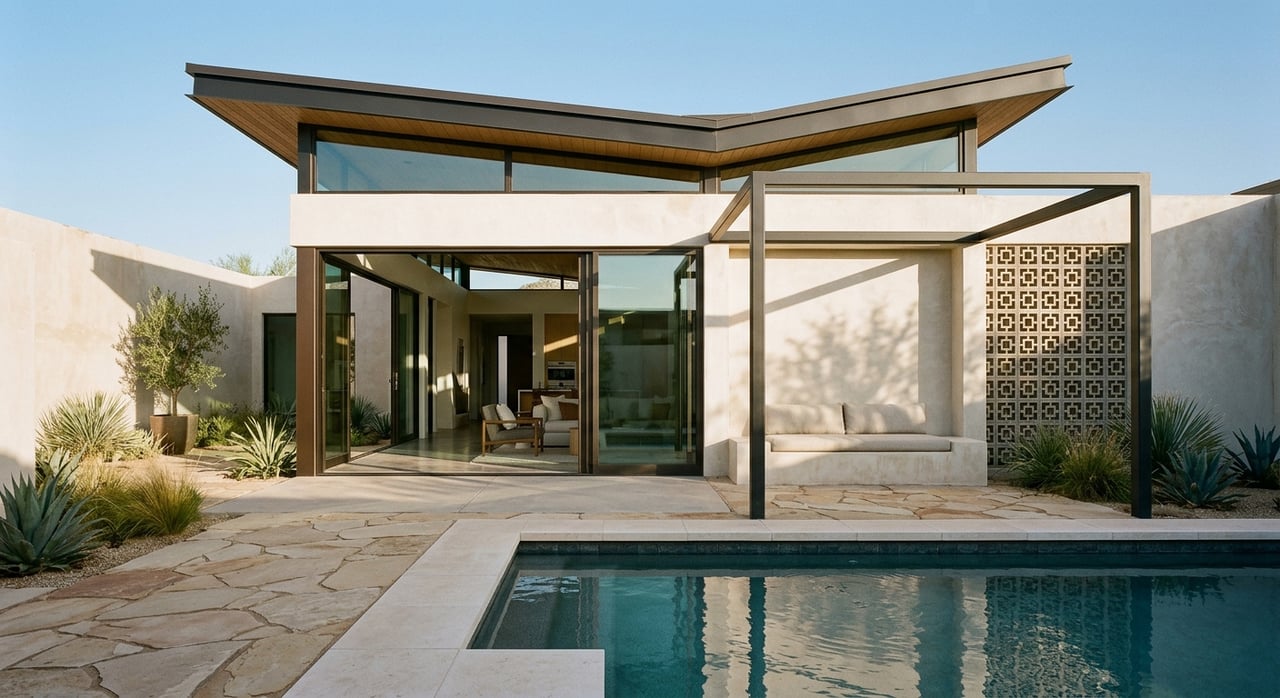
Mid-century modern generally refers to a design style from about 1933 to 1965. Docomomo describes it as influenced by the International Style, Bauhaus, Frank Lloyd Wright, and Mies van der Rohe, and often associated with large expanses of glass, landscape integration, natural materials, and open or interconnecting rooms.
In Hollywood Hills, mid-century homes often feel warmer and more grounded in their sites. Rather than acting as a simplified shell around a view, they often feel tucked into the terrain, with materials and room connections that make the relationship between house and landscape more intimate.
This style also tends to carry a clearer period identity. Built-ins, wood tones, smaller interconnecting spaces, and strong indoor-outdoor flow often give these homes a distinct architectural personality that many buyers value.
How Modern Homes Live in the Hills
Modern homes often make the view the main event. Because the style favors open rooms and larger openings, interiors can feel visually continuous with city lights, canyon lines, and treetops.
That experience can be especially compelling in Hollywood Hills. If you want dramatic sightlines, clean interiors, and a home that feels light-filled and expansive, modern design often delivers that more directly.
These homes also tend to support a flexible way of living. A cleaner interior envelope can adapt well to current entertaining patterns, changing furniture layouts, and collections that benefit from a quieter architectural background.
How Mid-Century Homes Live in the Hills
Mid-century homes often connect to the lot in a more organic way. Docomomo’s example of the Schaffer Residence highlights trees, redwood, glass, concrete, and brick, along with open but smaller interconnecting spaces and wide glass doors opening to a patio.
In a hillside setting, that usually creates a more framed relationship to the outdoors. Instead of putting everything on display at once, the home may reveal the site gradually through courtyards, patios, terraces, and carefully placed glass.
For daily life, that can feel more intimate. Many buyers are drawn to the way mid-century homes preserve a dialogue between living areas, built-ins, and the surrounding landscape rather than separating one from the other.
Design Differences You Will Feel Right Away
The contrast between these two styles becomes clear the moment you walk through the front door.
Modern Style and Atmosphere
Modern homes usually feel more reduced and abstract. You may notice cleaner planes, simpler silhouettes, and a stronger sense of openness from one room to the next.
They also tend to reward restraint in interiors. Furnishings with simple forms and low visual clutter often suit the architecture best, allowing light, materials, and views to carry much of the experience.
Mid-Century Style and Atmosphere
Mid-century homes usually feel warmer and more tactile. Natural materials, integrated storage, and connections between interior rooms and outdoor areas often give these homes a lived-in architectural richness.
Docomomo also notes the influence of sleek Scandinavian furniture and objects on the style. That helps explain why warm woods, period pieces, and thoughtfully edited furnishings often feel so natural in these homes.
Renovation Matters as Much as Style
In Hollywood Hills, the renovation question is never separate from the design question. A home may look like the perfect blank canvas, but hillside regulations and overlay review can shape what you can actually do with it.
The Baseline Hillside Ordinance guide says hillside development standards can address setbacks, floor area, height, lot coverage, grading, parking, fire protection, street access, sewer connection, and related exceptions. LADBS also notes that permits are required for new construction, additions, alterations, and demolition or removal, with staged inspections during construction.
The Mulholland Scenic Parkway Specific Plan adds another layer in some locations. It is intended to protect ridges, streams, sensitive areas, and topographic features, and it requires review of projects visible from Mulholland Drive for conformance with the plan’s purposes and development standards. It can also impose greater yard requirements, lower heights, and more restrictive grading than the base code.
What Buyers Should Check Before Choosing
Before falling in love with either style, it helps to treat due diligence as part of the design process.
Site and Regulatory Questions
You should confirm a few basics early:
- Whether the property is in a Very High Fire Hazard Severity Zone
- Whether hillside-specific ordinances apply to the lot
- Whether a specific plan affects future exterior work
- Whether any historic overlay or preservation consideration may shape alterations
Not every part of the broader Hollywood area has the same rules. Planning materials show a mix of overlays and historic districts, so the review path can vary from one property to the next.
Character and Flexibility Questions
You should also look closely at how the house itself has been handled over time.
- How well does the architecture fit the site?
- How much original character remains?
- How much regulatory friction could future improvements involve?
These questions often have more long-term impact than style labels alone. In Hollywood Hills, a beautiful home on a difficult site or under tighter review can come with a very different ownership experience than a similar home nearby.
Which Style Is the Better Fit for You?
The answer often comes down to how you want the home to feel and how you plan to use it.
Modern homes are usually the better fit if you want minimalism, expansive glazing, and a more neutral setting for contemporary interiors. They often appeal to buyers who want clarity, openness, and architecture that puts the view front and center.
Mid-century homes are usually the better fit if you want warmth, indoor-outdoor flow, and a stronger period identity. They often appeal to buyers who value authenticity, natural materials, and a closer relationship between the house and the landscape.
In both cases, the smartest decision balances design with practicality. In Hollywood Hills, style matters, but so do fire-hardening considerations, grading, access, and the rules that may affect future work.
If you are comparing architecturally distinct homes in Hollywood Hills, it helps to look beyond the photos and understand how each property lives on its site. For a more curated, design-aware approach to buying, selling, or leasing in Los Angeles, connect with Carey More.
FAQs
What is the difference between modern and mid-century homes in Hollywood Hills?
- Modern homes usually emphasize minimalism, clean lines, open rooms, and a more abstract, view-forward feel, while mid-century homes usually emphasize natural materials, indoor-outdoor living, and a warmer relationship to the landscape.
Why do hillside rules matter when buying a Hollywood Hills home?
- Hillside rules can affect setbacks, height, grading, parking, fire protection, access, and what exterior changes may be possible in the future.
Are fire hazard zones important for Hollywood Hills buyers?
- Yes. Fire exposure is a key part of the local context, and buyers should confirm whether a property is in a Very High Fire Hazard Severity Zone as part of their due diligence.
Are modern homes easier to renovate in Hollywood Hills?
- Not necessarily. Renovation potential depends on the site, applicable hillside standards, permit requirements, and whether any specific plan or overlay affects the property.
Who is a mid-century home best for in Hollywood Hills?
- A mid-century home is often a strong fit if you value original character, warmth, indoor-outdoor flow, and architecture that feels closely tied to the site.