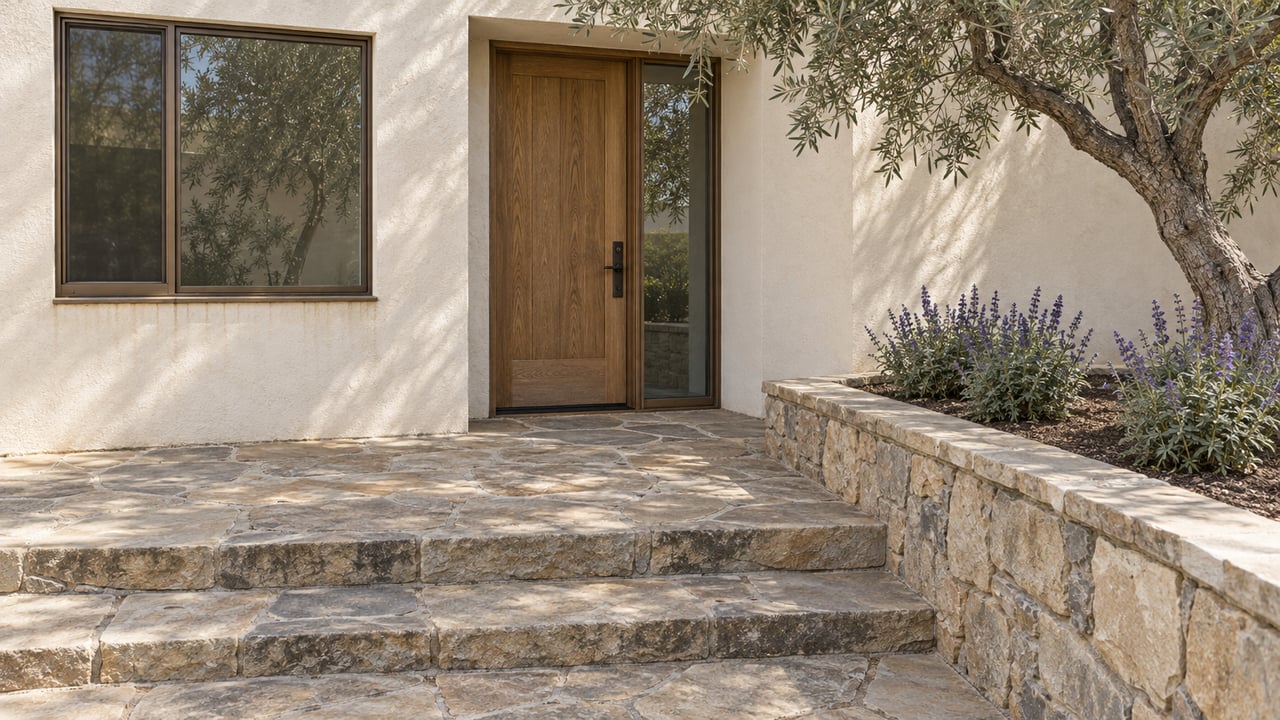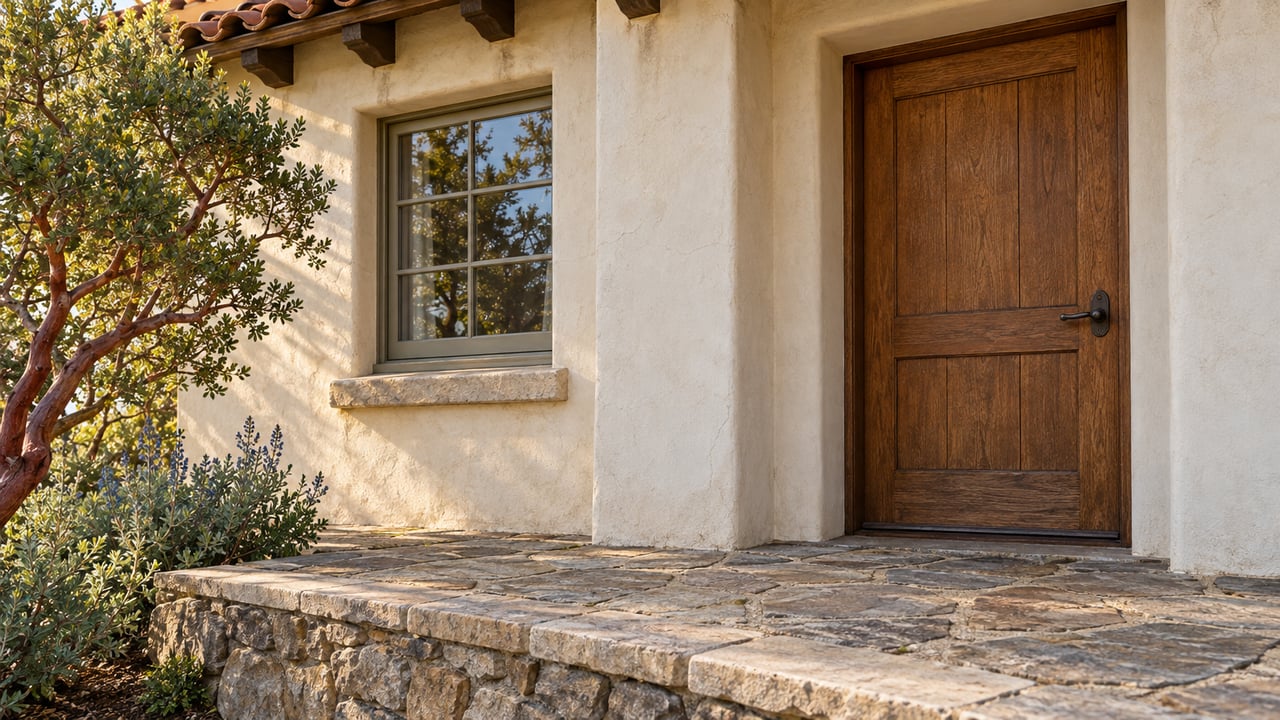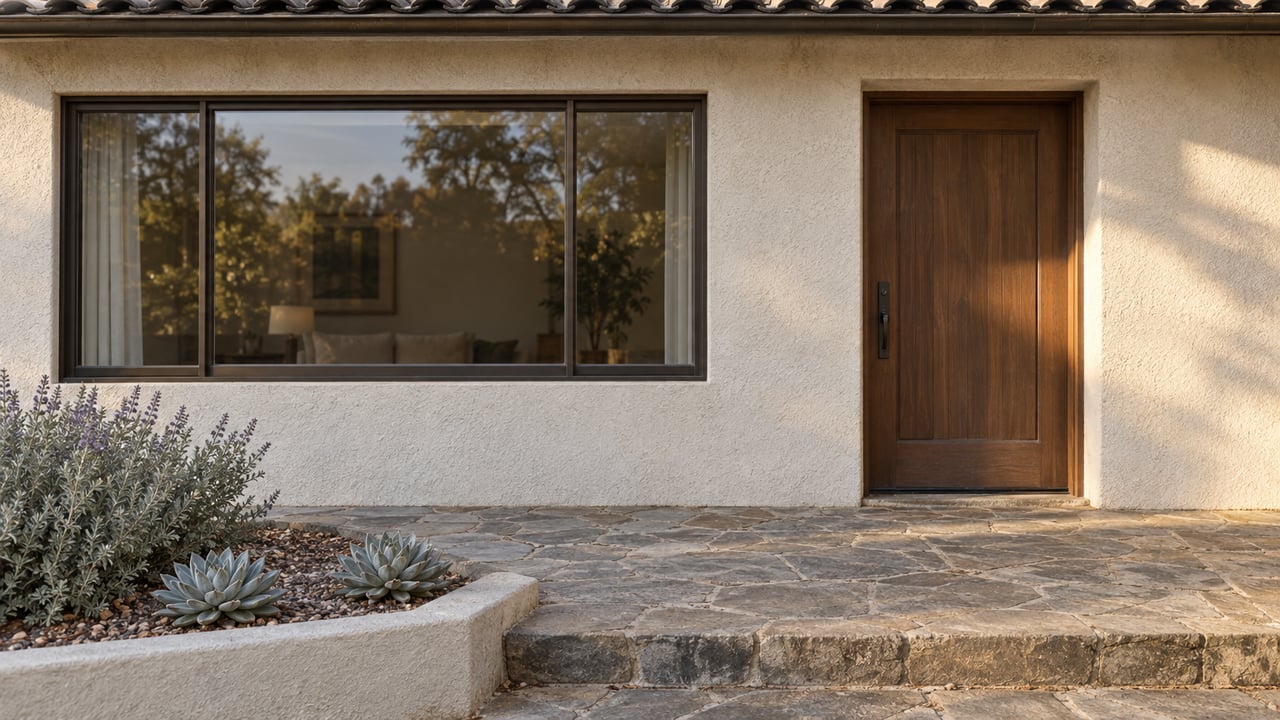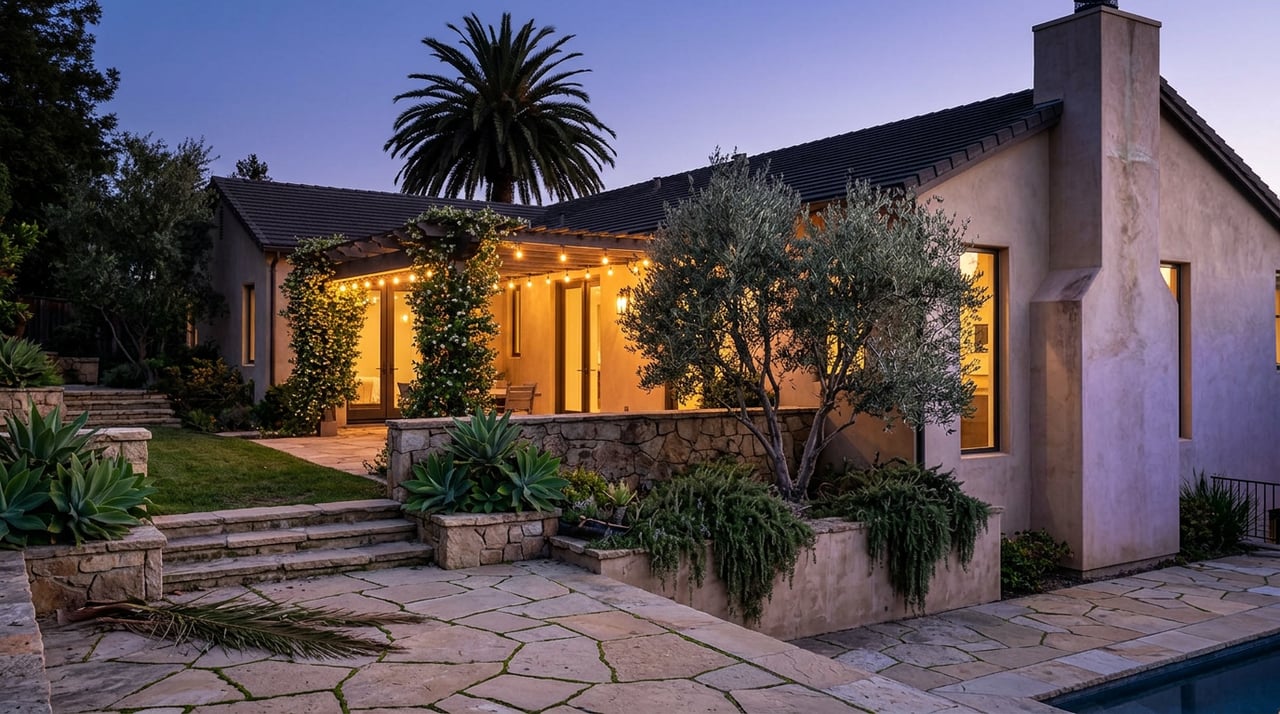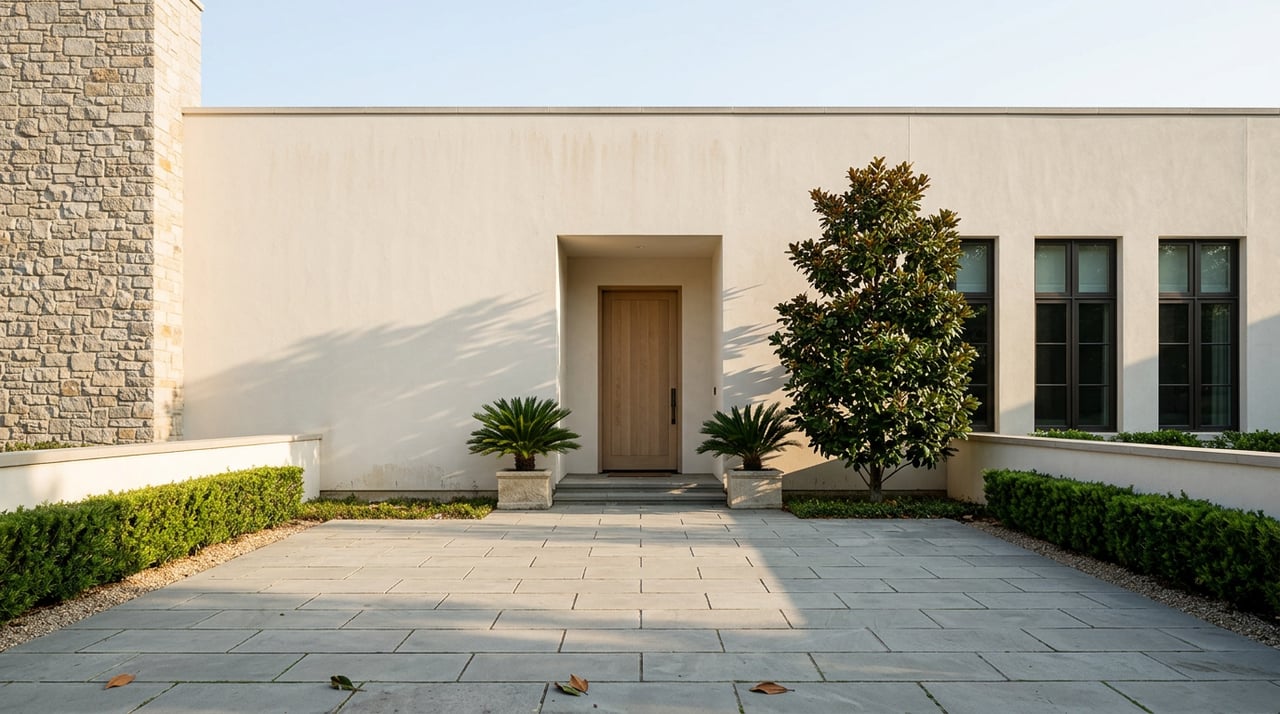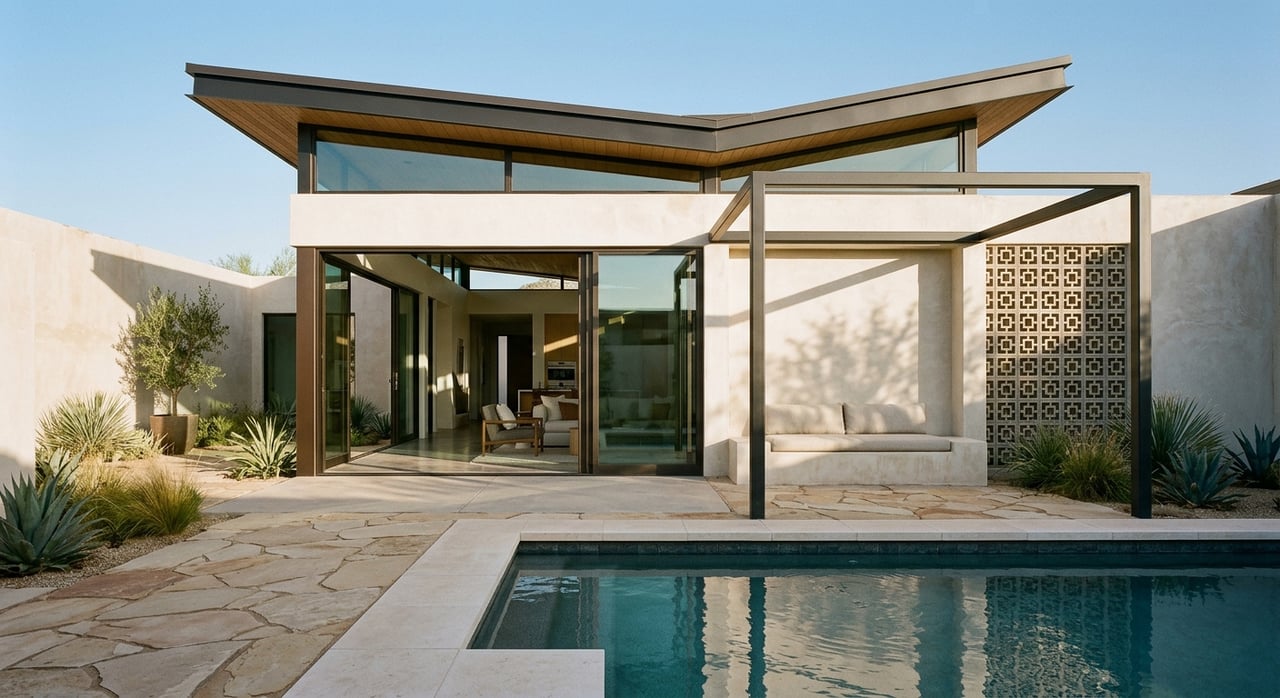
If you are drawn to Palm Springs, chances are you are also drawn to the homes. In a city where architecture is part of the identity, choosing between mid-century and contemporary style is about more than curb appeal. It shapes how you live, what you maintain, and what questions you should ask before you buy. Let’s take a closer look.
Why Palm Springs Architecture Feels So Distinct
Palm Springs is closely associated with Mid-Century Modern and Desert Modern design. The City of Palm Springs identifies the city as best known for Mid-Century Modern architecture, and the Palm Springs Art Museum describes it as an epicenter of mid-century modernism. That architectural identity is also part of the city’s planning vision, which ties preservation to Palm Springs’ modern urban village character.
Climate plays a major role in that design language. NOAA normals for Palm Springs Regional Airport show a July average high of 108.6°F and annual precipitation of just 4.61 inches. In practical terms, that helps explain why shading, airflow, covered outdoor areas, and indoor-outdoor transitions matter so much in local homes.
Palm Springs also treats scenic and view corridors as a design priority. So when you see long rooflines, framed patios, and rooms oriented toward the mountains, those choices reflect the city’s broader design context as much as personal taste.
Mid-Century Homes in Palm Springs
What defines the style
In Palm Springs, mid-century homes typically feature horizontal massing, one- or two-story forms, flat or low-pitched roofs, and wide overhanging eaves. Historic context materials from the city also point to cantilevered canopies, simple wall surfaces, and exterior materials such as wood, glass, plaster, concrete, steel, and brick.
You will also see climate-smart features built directly into the architecture. Breeze-block and screen walls, along with brise soleil, were used to block harsh sun while still allowing air movement through the home. These are not just decorative details. They are part of how the style was adapted to desert living.
How mid-century homes live
Classic Palm Springs mid-century design puts a strong focus on the relationship between inside and outside. Patios, pools, low rooflines, and large glass openings extend the home into the landscape. Interiors are often more restrained, which keeps attention on natural light, airflow, and the desert setting.
The well-known Edris House helps illustrate that logic. It uses long, low forms, native stone, steel, and large expanses of glass, with main living areas oriented toward the view and deep eaves helping shield the home from intense sun. Bedrooms were placed farther back for more privacy and added heat protection.
For many buyers, this style feels grounded and site-specific. That is not a formal rule, but it is a helpful way to understand why authentic mid-century homes in Palm Springs can feel so connected to place.
What to look for in listings
When you review a Palm Springs mid-century listing, look for details that show the original architectural language is still intact. Strong clues include:
- Flat or low-pitched rooflines
- Clerestory windows
- Breeze-block or screen walls
- Broad patios and covered outdoor living areas
- Original or period-consistent material palettes
- A clear indoor-outdoor relationship
If a home has been remodeled, that does not automatically diminish its appeal. But the strength of its mid-century character often depends on how many original features remain and how thoughtfully updates were handled.
Contemporary Homes in Palm Springs
What defines the style
Contemporary architecture is more flexible than mid-century architecture. Getty describes it as a 21st-century term rather than one fixed visual formula, often incorporating modernism, sustainability, and newer technological and engineering advances.
In Palm Springs, contemporary homes often reinterpret desert modernism rather than copy a specific era. You may notice clean profiles, expansive glass, skylights, large openings, and carefully designed canopies or wraps that help buffer heat and weather.
How contemporary homes live
Compared with older mid-century homes, contemporary properties often feel more tailored to current expectations. They may offer larger great rooms, clearer privacy zones, stronger energy-performance strategies, and more deliberate shading or screening around large glass openings.
They still embrace indoor-outdoor living, but often through a more engineered approach. In desert-climate examples highlighted by AIA, common strategies include courtyards, framed views, shaded terraces, limited west-facing glazing, high-performance walls, solar panels, rainwater harvesting, and lap pools.
That does not mean every contemporary Palm Springs home includes all of those features. It does mean that newer design often places as much emphasis on building performance as visual style.
What to look for in listings
If you are considering a contemporary Palm Springs home, some of the most useful listing cues include:
- Floor-to-ceiling glazing
- Large sliding or lift-and-slide doors
- Clerestory windows and skylights
- Shaded terraces or courtyards
- Minimal trim and crisp material transitions
- Solar equipment or other performance-focused systems
It is also smart to ask practical questions early. For newer homes, glazing performance, insulation, HVAC strategy, irrigation, and shade design can matter just as much as finishes and fixtures.
Mid-Century vs Contemporary
The main differences
In Palm Springs, the choice often comes down to authenticity versus reinterpretation. Mid-century homes tend to appeal to buyers who value period character, original design language, and a strong preservation context. Contemporary homes often appeal to buyers who want newer systems, stronger energy performance, and a more flexible expression of desert modern living.
Neither is inherently better. The better fit depends on how you want the home to feel, how much architectural history matters to you, and how you weigh design integrity against newer construction features.
| Feature | Mid-Century | Contemporary |
|---|---|---|
| Design origin | Rooted in postwar modernism | Rooted in current design thinking |
| Typical look | Low, horizontal, period-specific | Clean, minimal, more flexible |
| Indoor-outdoor flow | Core design principle | Core principle with newer systems |
| Heat response | Deep eaves, screens, orientation | Shading systems, high-performance envelope |
| Buyer focus | Character and authenticity | Performance and updated living |
Why Due Diligence Matters in Palm Springs
Historic status can affect your plans
In Palm Springs, architecture is not only about style. It can also affect what you are allowed to change. The city has a formal historic-property system with Classes 1 through 4, and it advises buyers, sellers, and owners to determine whether a property is historic, potentially historic, or located within a historic district before buying, altering, demolishing, or building.
The city also states that alterations, demolition, and new construction on historic sites and within historic districts must be reviewed by the Historic Preservation Officer or Historic Site Preservation Board before permits are issued. That means even cosmetic-looking exterior work may require closer review than you expect.
Exterior changes may count as alterations
Palm Springs defines alteration broadly in its district standards. It can include changes to paint color, surface texture, paving, walls, fences, steps, planting, and landscape.
That is important if you are comparing homes based on visual presentation alone. A beautifully remodeled house may still carry preservation obligations, and a future design plan may need city review before you move forward.
Mills Act questions are worth asking
For some qualifying historic properties, Palm Springs notes that Mills Act contracts can offer preservation incentives, including possible property-tax relief in some cases. Eligible properties can include qualifying Class 1 sites, contributing structures in historic districts, sites listed on the National Register of Historic Places, and certain Class 2 sites.
These contracts run with the land and transfer to new owners. If you are considering a historic home, it is worth asking whether a Mills Act contract already exists or whether the property may qualify.
A Palm Springs Home Style Checklist
Whether you are buying a classic mid-century house or a newer contemporary residence, a few focused questions can give you a much clearer picture of the property.
For mid-century homes
- Is the property in a historic district or on the city’s historic lists?
- Which features are original, restored, or altered?
- Do the roofline, windows, patios, walls, and landscape still reflect the original design language?
- Was exterior work reviewed by the city when required?
- Is there an existing Mills Act contract, or could one be pursued?
For contemporary homes
- How does the home manage desert heat and sun exposure?
- What kind of glazing and insulation systems are in place?
- How are shading, privacy, and outdoor living areas designed?
- Is there solar equipment or other energy-related infrastructure?
- What should you know about irrigation and operating costs in an arid climate?
Choosing the Right Fit for You
Palm Springs has a rare architectural clarity. You are not just choosing a house here. You are choosing a design philosophy shaped by climate, views, preservation, and the way indoor and outdoor life connect.
If you love original lines, period character, and the romance of classic desert modernism, a mid-century home may feel like the right match. If you want cleaner performance, newer systems, and a more current interpretation of desert living, a contemporary home may be the better fit.
The best choice is the one that aligns with how you want to live, host, and care for the property over time. If you want a design-led perspective on Palm Springs homes and a more curated approach to buying, selling, leasing, or furnished rental opportunities, connect with Carey More.
FAQs
What defines a mid-century home in Palm Springs?
- A Palm Springs mid-century home typically features low or flat rooflines, horizontal forms, broad eaves, simple material palettes, screen walls or breeze-block, and a strong connection between indoor and outdoor spaces.
What makes a contemporary Palm Springs home different?
- A contemporary Palm Springs home often uses a newer design language with expansive glass, cleaner detailing, stronger energy-performance strategies, shaded terraces, and updated systems tailored to desert living.
Why does climate matter when comparing Palm Springs home styles?
- Palm Springs has extreme heat and very low annual rainfall, so features like shading, airflow, glazing, courtyards, and covered outdoor areas are central to how homes are designed and how comfortably they function.
How can historic status affect a Palm Springs home purchase?
- In Palm Springs, a home’s historic classification or district location can affect alterations, demolition, and new construction, because certain changes may require review before permits are issued.
What should you ask before buying a mid-century home in Palm Springs?
- Ask whether the property is historic or in a historic district, which features are original or altered, whether exterior changes were properly reviewed, and whether a Mills Act contract exists or may be possible.
What should you ask before buying a contemporary home in Palm Springs?
- Ask about glazing, insulation, HVAC, solar, irrigation, shade design, and how the home’s materials and layout are designed to handle sun exposure, privacy, and operating efficiency in the desert climate.