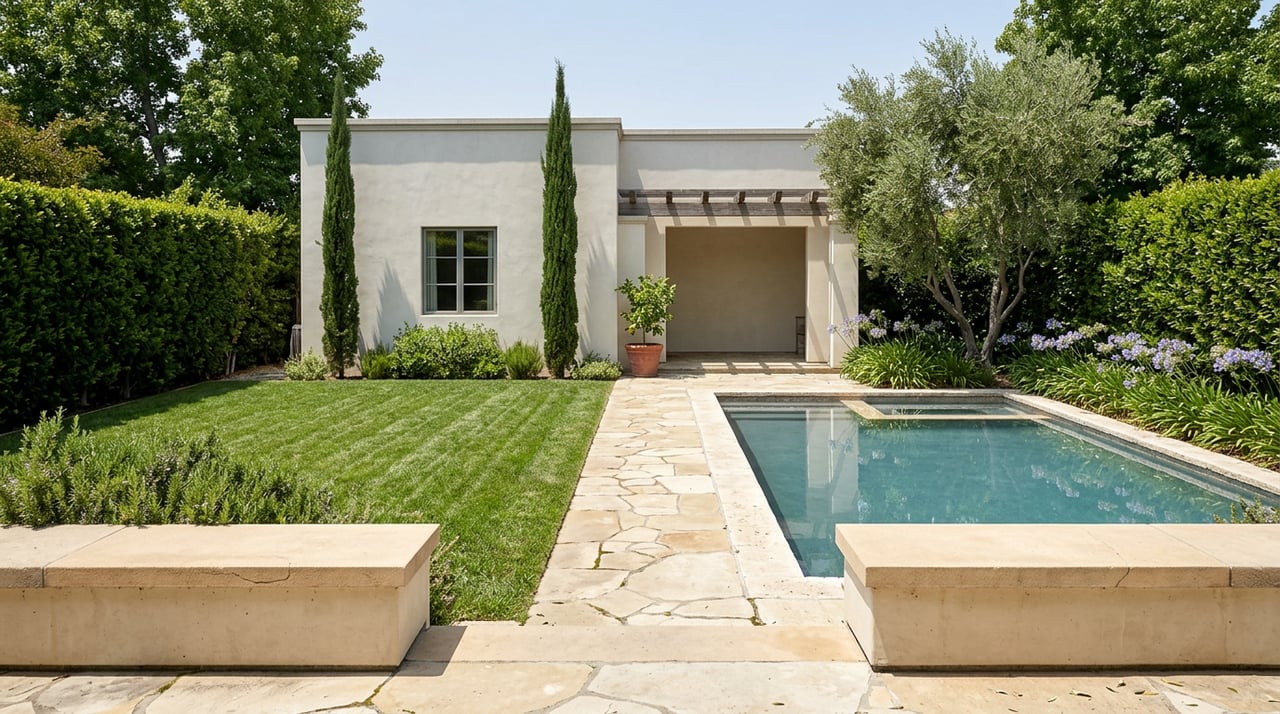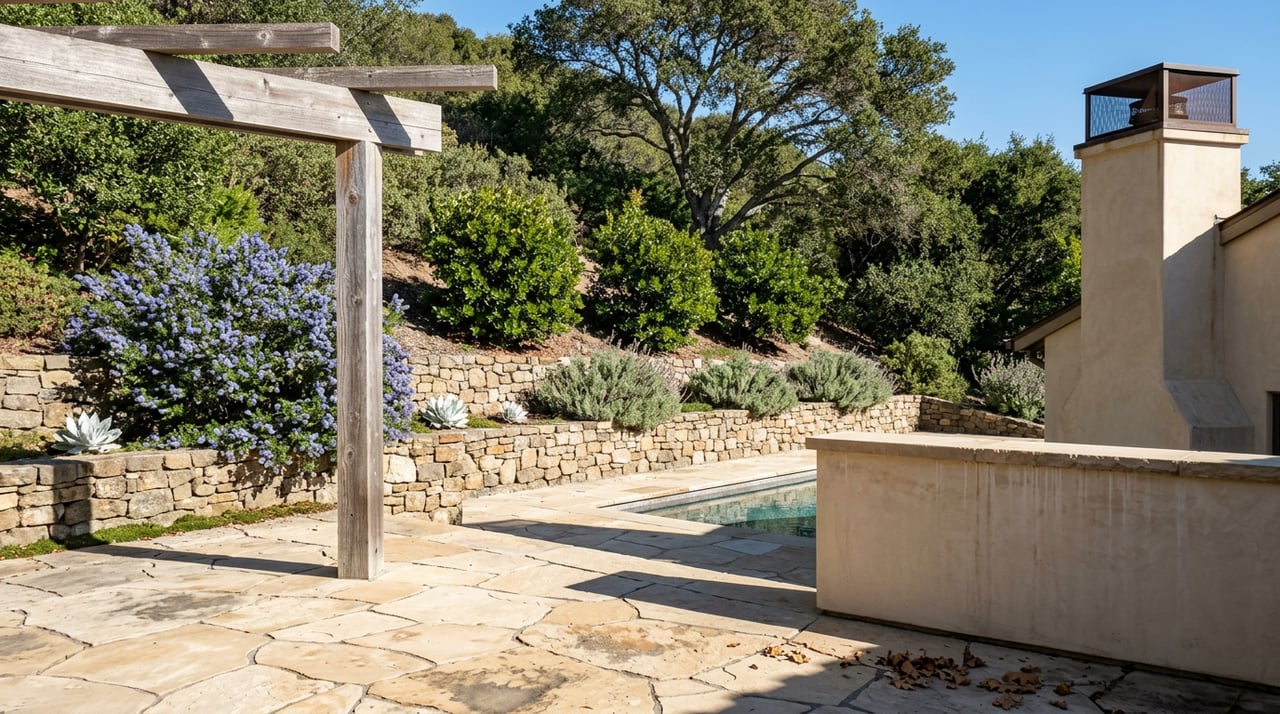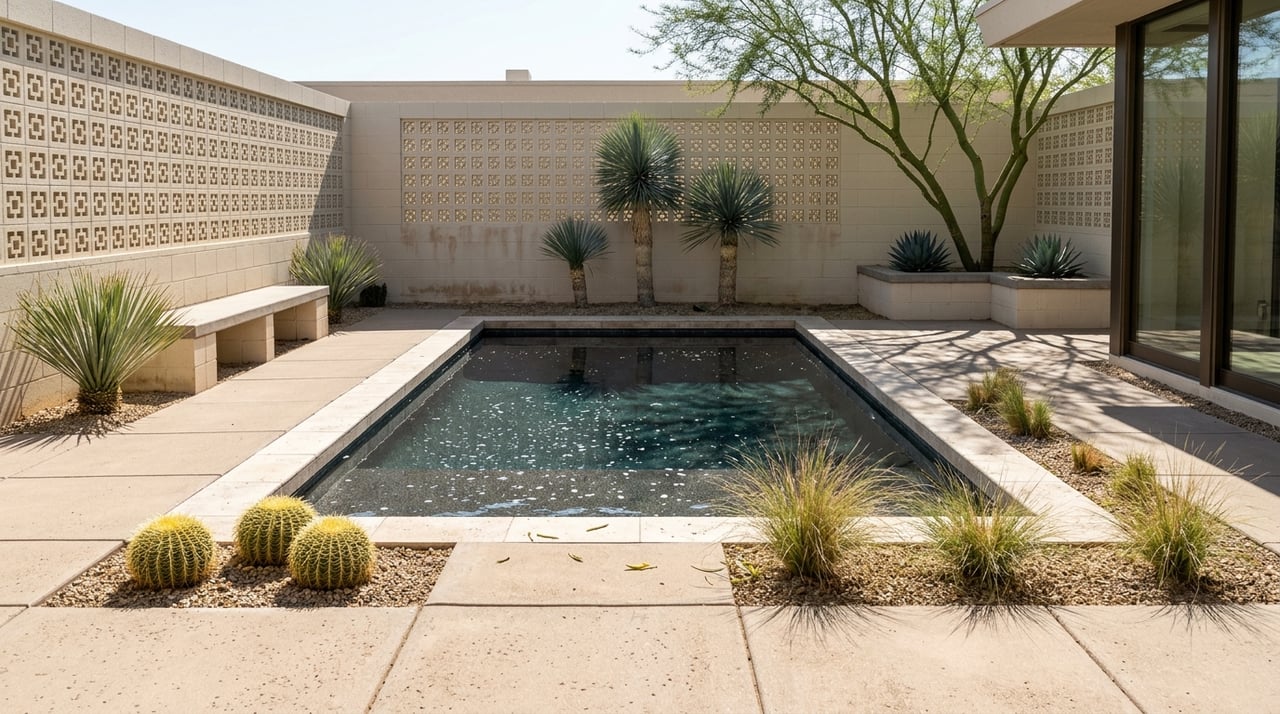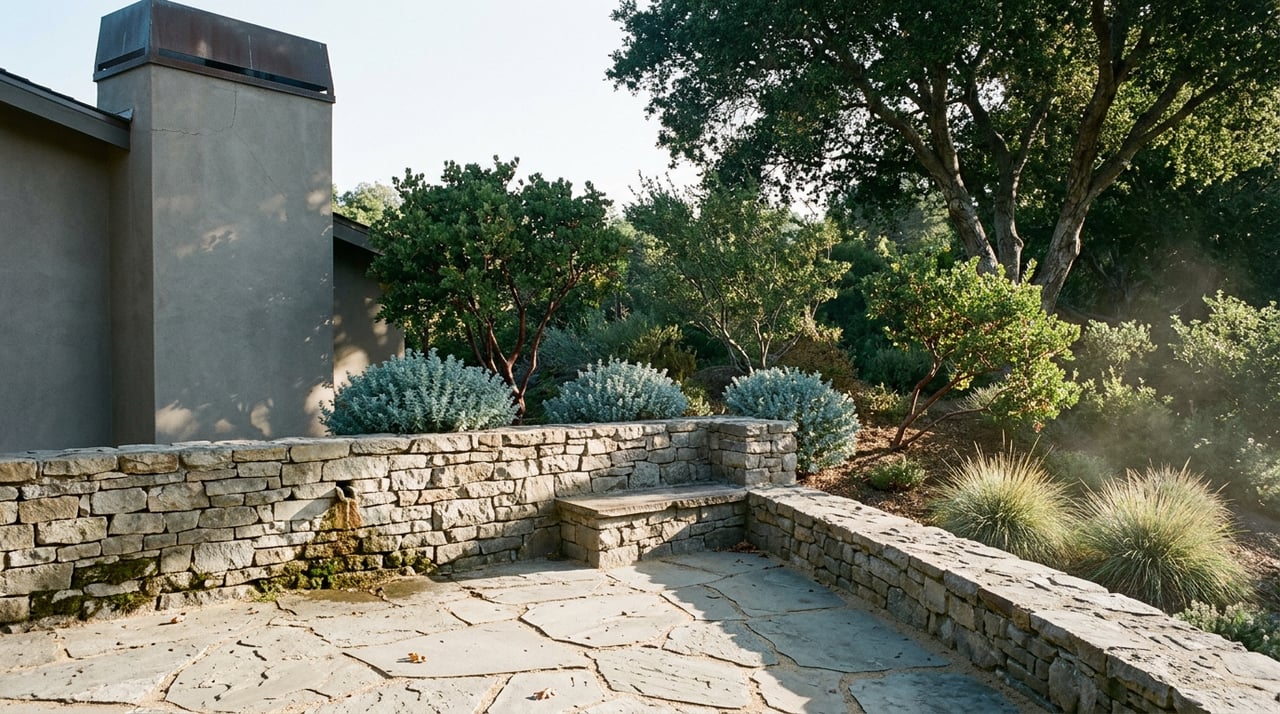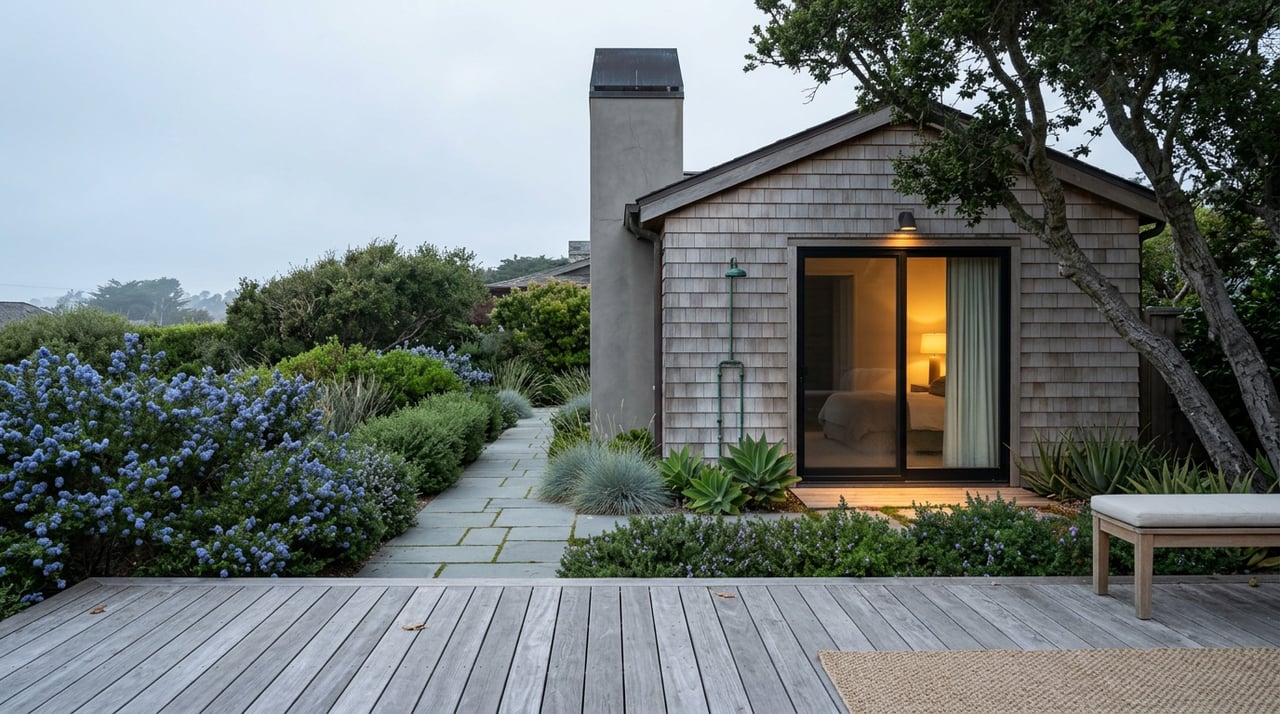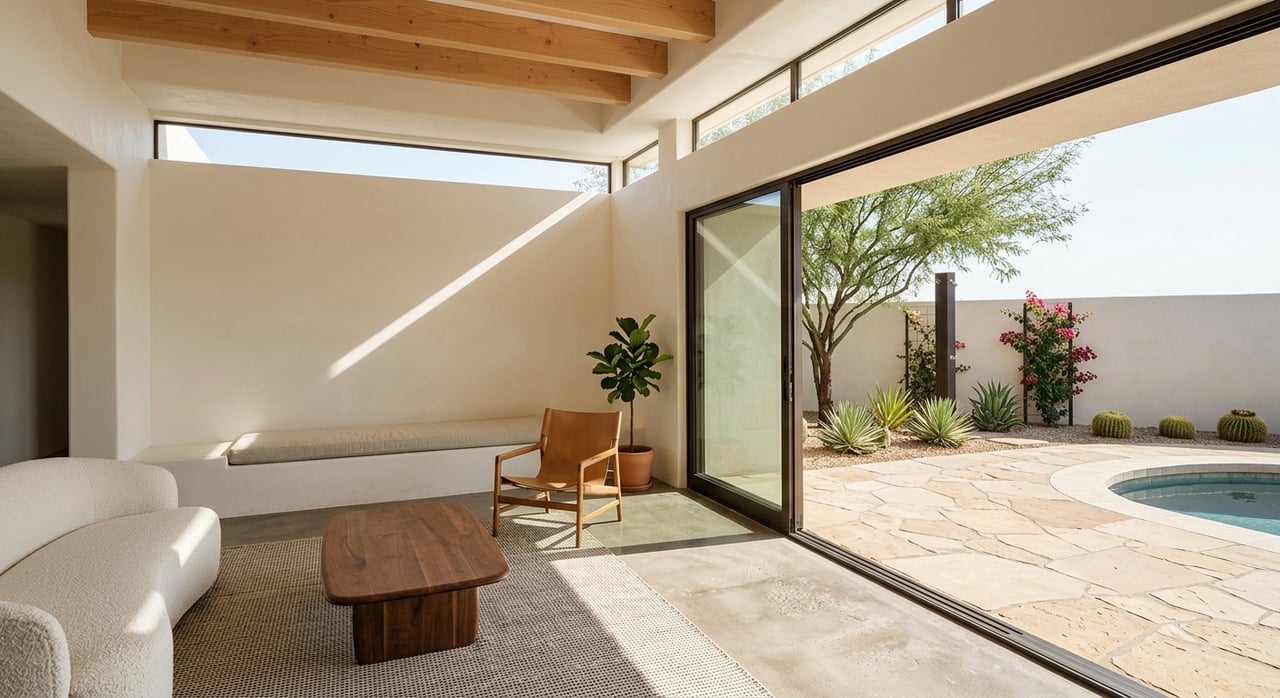
If you picture your Palm Springs home as a desert villa, it helps to think beyond décor. In this market, the look and feel of the property matter, but so do city rules, climate-ready materials, and a disciplined operating plan. When you understand how those pieces work together, you can protect the home’s style, support smoother guest stays, and avoid costly mistakes. Let’s dive in.
Why a desert villa needs an operating plan
In Palm Springs, a villa is not just a beautiful home with a pool and sun-washed interiors. If you plan to welcome short-term guests, the city treats that use as a tightly regulated secondary use of a single-family home. That means presentation and hospitality need to work hand in hand with compliance.
The city allows vacation rentals and homesharing only in single-family dwellings. Apartments and multifamily units cannot be used as vacation rentals, and stays of 29 days or more fall outside the city’s vacation-rental ordinance. That creates a clear line between a short-term guest model and a longer furnished-stay approach.
Start with Palm Springs rules
Know which use fits your home
Before you furnish, market, or build a booking calendar, make sure your intended use fits the city’s framework. Palm Springs requires owners to understand whether they are operating as a vacation rental, a homeshare, or using the home for stays of 29 days or more.
That distinction matters because each path comes with different limits. Vacation rentals face neighborhood caps and annual contract limits, while homeshare certificates are not subject to the neighborhood cap. Longer stays of 29 days or more sit outside the short-term vacation-rental ordinance altogether.
Secure the certificate before advertising
Palm Springs requires a Vacation Rental Registration Certificate before you advertise or operate. The city states that you may not advertise or rent the property while the application is in process, and processing typically takes 30 to 90 days.
Timing matters here. The city also says applications are not accepted while a property is in escrow, so if you are buying with a future rental plan in mind, your operational timeline needs to be realistic from day one.
Understand ownership and neighborhood limits
Palm Springs limits ownership of vacation rentals to one per natural person, partnership, qualifying LLC, or family trust, and corporations cannot hold a certificate. If your home sits within an HOA, you must provide a current HOA letter at renewal confirming that short-term rental use does not violate the governing documents.
The city also uses a 20% vacation-rental cap within an organized neighborhood. If that cap has been reached, an application can be returned, though a wait list may be available. For many owners, this means the viability of the villa model depends not just on the home itself, but on the neighborhood’s current permit status.
Design for the desert, not just the photos
Palm Springs climate is tough on interiors
Palm Springs is beautiful, but it is demanding. Climate normals for Palm Springs Regional Airport show average highs of 108.6°F in July and 108.1°F in August, with annual precipitation of just 4.61 inches and an annual mean temperature of 75.6°F.
In practical terms, sun, heat, and dryness shape how a home wears over time. Materials that look stunning for a weekend but degrade quickly in strong UV exposure can create a constant refresh cycle that drains both time and money.
Choose materials that age gracefully
A desert villa benefits from materials that are durable, cleanable, and easy to replace when needed. Performance upholstery, indoor-outdoor textiles, sealed wood or stone surfaces, shade-friendly window coverings, and outdoor furniture built for heat and sun are smart choices for this environment.
These decisions are not only about durability. They also help preserve the home’s visual identity, so your spaces still feel polished after repeated use, quick turnovers, and long hot seasons.
Protect the home’s design language
In a design-forward property, operations should support the aesthetic rather than fight it. A locked owner closet, duplicate linens, and backup soft goods can help you maintain consistency without scrambling when something needs to be swapped out.
The goal is simple: refresh quickly without changing the soul of the home. A well-run villa feels calm, cohesive, and intentional, even behind the scenes.
Build a service team that can respond fast
Local response is not optional
Palm Springs expects a local contact who can respond in person within 30 minutes. The city also makes it clear that even if an agent or property manager helps operate the home, the owner remains responsible.
That means a desert villa cannot run well on style alone. You need reliable local support, clear communication, and a team that can handle guest needs or nuisance issues promptly.
Think beyond housekeeping
A strong villa model depends on more than cleaning between stays. You also need systems for guest communication, turnover checks, restocking, trash handling, and quick issue response.
This is especially important because Palm Springs allows enforcement if the owner or agent does not act on nuisance issues in a timely way. Smooth operations are not just a service standard. They are part of protecting your permit.
Manage the calendar with precision
Contract limits shape your booking strategy
Palm Springs places annual contract limits on vacation rentals. As updated by the city on November 12, 2025, new permittees are limited to 26 contracts per calendar year, while existing permittees are limited to 32 contracts, with up to four additional third-quarter contracts if the full term occurs in that quarter.
Homeshares do not have an annual contract limit, and Junior Vacation Rental Certificates are limited to six contracts. For owners, this means your calendar strategy should be intentional, not reactive. Every booking slot has value.
Contract summaries must be timely
The city requires contract summaries for vacation rentals before each occupancy. According to Palm Springs, late or missing submissions can result in a $2,500 citation and a six-month suspension of the certificate.
That is one reason the desert villa model works best when you treat booking administration as seriously as guest experience. A beautiful home does not offset missed paperwork.
Monthly tax filing still applies in slow months
Palm Springs requires a TOT return every month, even if the home had no guests. The city’s current rates are 11.5% TOT for vacation rentals and other non-group-meeting lodging, plus a 1% TBID assessment on short-term stays of less than 28 days.
This monthly rhythm is easy to overlook, especially for second-home owners who are not on site full-time. But consistent filing is part of running the property responsibly and keeping your operation in good standing.
Document the guest experience clearly
Required guest materials matter
Palm Springs requires owners to give guests the Good Neighbor Brochure and the Statement of Rules and Regulations, obtain guest signatures, keep copies for four years, post the brochure near the front door and back door, post the registration certificate by the front door, and include the account number in advertising.
These are not small details. They are a core part of how the city expects owners to communicate expectations and document compliance.
House rules affect day-to-day operations
The city also imposes practical rules that shape scheduling and guest use. Outside amplified music is prohibited while the property is rented, trash must stay out of public view except during collection windows, one car per bedroom is permitted, and maintenance activity is restricted to certain weekend hours except for emergencies.
For you as an owner, these rules influence everything from arrival instructions to vendor scheduling. A well-managed villa anticipates these details instead of reacting to them after a complaint.
Special planning for larger estate homes
Palm Springs applies added requirements to Estate Homes, which are single-family dwellings with five or more bedrooms. These homes require a separate land-use permit or addendum, annual safety inspections at renewal, and pool compliance documentation every five years or upon change of ownership.
If your property is larger, operating standards become even more formal. In that setting, durable finishes, careful documentation, and proactive service oversight are not luxuries. They are part of the asset’s long-term care.
The biggest risks are often compliance risks
Many owners focus first on vacancy, wear and tear, or furnishing costs. In Palm Springs, some of the biggest risks are actually compliance failures such as unauthorized advertising, missed contract summaries, unpaid monthly TOT, or nuisance complaints.
The city states that operating without a certificate can trigger a $5,000 fine and permanent ineligibility. Certain advertising, contract, and TOT failures can also lead to a $2,500 fine and suspension or revocation. For a design-led home, protecting the experience also means protecting the permit.
A desert villa works best when design and discipline align
The most successful Palm Springs villa model blends hospitality-grade presentation with careful operations. Durable materials, a responsive local team, a disciplined calendar, and accurate paperwork all help preserve the home’s look while supporting a smoother ownership experience.
If you are considering a Palm Springs home as a design-forward retreat, seasonal asset, or guest-ready residence, the right strategy starts with clarity. To explore a more curated approach to buying, positioning, or operating a distinctive home, connect with Carey More.
FAQs
What qualifies as a vacation rental in Palm Springs?
- In Palm Springs, vacation rentals and homesharing are allowed only in single-family dwellings, and stays of 29 days or more are not considered short-term under the city’s vacation-rental ordinance.
Does a Palm Springs owner need a permit before listing a home?
- Yes. Palm Springs requires a Vacation Rental Registration Certificate before advertising or operating, and the city says you may not advertise or rent while the application is being processed.
Are Palm Springs vacation rentals limited by neighborhood?
- Yes. The city uses a 20% cap on vacation rentals within an organized neighborhood, and applications at or above the cap can be returned.
How many vacation-rental contracts are allowed in Palm Springs?
- As updated by the city on November 12, 2025, new permittees are limited to 26 contracts per calendar year and existing permittees are limited to 32, with up to four additional third-quarter contracts if the full term occurs in that quarter.
What taxes apply to short-term stays in Palm Springs?
- Palm Springs requires monthly TOT filing even if there were no guests. The city’s current rates are 11.5% TOT plus a 1% TBID assessment on short-term stays of less than 28 days.
What materials work best for a Palm Springs desert villa?
- Given the local heat, sun, and dry climate, practical choices include UV-resistant and washable materials such as performance upholstery, indoor-outdoor textiles, sealed wood or stone surfaces, shade-friendly window coverings, and outdoor furniture designed for heat exposure.