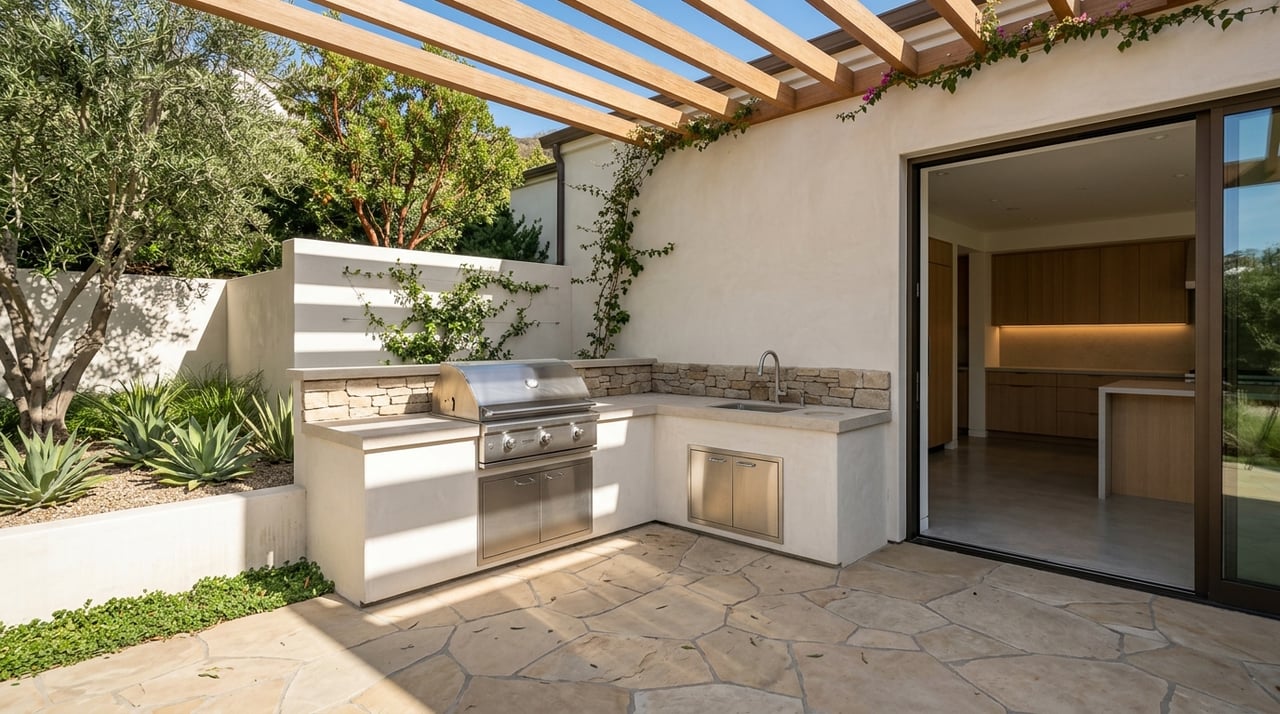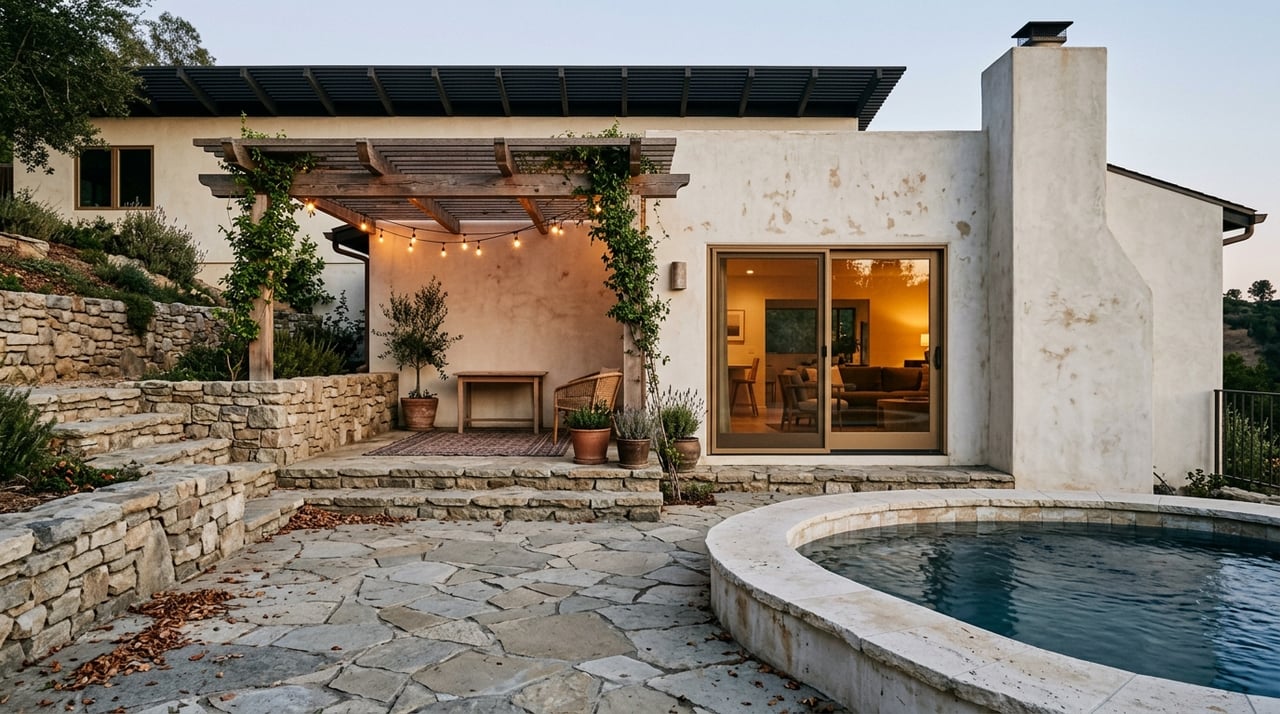
If you are drawn to Malibu, you are probably not choosing between one address and another so much as one way of living and another. In a city shaped by beaches, bluffs, creeks, canyons, ridges, and sweeping views, the setting you choose can shape how each day feels. This guide will help you compare Malibu’s three core settings, oceanfront, bluff-top, and canyon, so you can focus on the lifestyle rhythm that fits you best. Let’s dive in.
Malibu Is About Setting
Malibu’s own planning vision describes the city as a unique land and marine environment with a strong commitment to preserving its ocean, beaches, creeks, canyons, hills, ridges, views, wildlife, and rural character. That matters when you are buying here because the setting is not just scenic background. It is part of how the city is organized and protected.
Across Malibu, coastal access, scenic roads, public viewing areas, and trail connections play a central role in land-use decisions. That means oceanfront, bluff-top, and canyon living are best understood as three distinct daily experiences within one broader Malibu story. Each offers a different balance of access, outlook, and seclusion.
Oceanfront Living in Malibu
Oceanfront Malibu is the most immediate expression of coastal living. City coastal materials identify shoreline areas such as Carbon Beach, La Costa Beach, Las Flores Beach, Malibu Lagoon, Point Dume, and Malibu Bluffs, and local planning documents reference roads and parcels along places like Malibu Road, Broad Beach Road, Birdview Avenue, Cliffside Drive, and Pacific Coast Highway.
If you are considering oceanfront, the biggest draw is simple: proximity to the sand and water. This is the beach-first setting, where the shoreline feels woven into your daily routine. The atmosphere often carries the strongest vacation-home energy, even when the property is used year-round.
What Oceanfront Homes Tend to Feel Like
Malibu’s local land-use rules for beachfront and blufftop parcels emphasize preserving bluewater views, modest building height, and view corridors where needed. As a result, many oceanfront homes read as low-profile and beach-oriented rather than tall or imposing.
You will often find the lifestyle centered on terraces, deck space, broad openings, and a direct visual relationship to the water. The design language tends to feel horizontal and visually light, which supports the setting rather than competing with it.
Oceanfront Privacy and Access
Privacy on the shoreline can vary more than many buyers expect. Some beachfront areas are closely tied to public accessways or mapped easements, while others feel more enclosed.
The California Coastal Commission maintains access guides for points such as Carbon Beach, Escondido Beach, Broad Beach, Malibu Road East Stairs, and Carbon Beach East Accessway. In practical terms, that means two homes with similar views may offer very different day-to-day privacy depending on the block and nearby access points.
Oceanfront May Fit You If
- You want the sand and surf to shape your everyday routine
- You value immediate shoreline presence over extra separation
- You love open decks, terraces, and a strong indoor-outdoor connection
- You are comfortable evaluating privacy on a very block-by-block basis
Bluff-Top Living in Malibu
Bluff-top Malibu offers an elevated coastal experience. It sits above the beach, often with dramatic outlooks, but with more physical separation from the shoreline than true oceanfront living.
Local planning rules treat blufftop development separately. They require setbacks from the bluff edge and special view protection on ocean-side roads, and the city notes that blufftop settings should minimize visual impact from the beach and ocean below.
Why Bluff-Top Feels Different
If oceanfront is beach-first, bluff-top is view-first. Public examples such as Malibu Bluffs Park and Point Dume State Beach make that easy to picture, with overlooks, trails, viewing platforms, and whale-watching points above the shoreline.
This setting is often about horizon drama. You may feel more connected to the sweep of coast, sky, and light than to the sand itself, which can appeal to buyers who want a strong visual relationship to the ocean without being directly on the beach.
What Bluff-Top Homes Tend to Feel Like
Local design standards for blufftop areas call for lower height, reduced bulk, and designs that avoid large cantilevers or blocked public views. That framework encourages homes that orient outward to the horizon while staying visually restrained within the landscape.
In day-to-day terms, bluff-top homes are often defined by broad windows, terraces, and outdoor rooms that frame long views. The experience is usually less about stepping onto the sand and more about living above it with a sense of openness and perspective.
Bluff-Top May Fit You If
- You want sweeping ocean views to be the main event
- You prefer some separation from beach activity
- You are drawn to outlook, light, and elevated outdoor living
- You like the idea of coastal living without direct shoreline immersion
Canyon Living in Malibu
Canyon Malibu is the greener, more inland counterpoint to the coast. The city’s scenic-road list includes routes such as Malibu Canyon Road, Corral Canyon Road, Latigo Canyon Road, Encinal Canyon Road, Decker Canyon Road, Kanan Dume Road, and Tuna Canyon Road, all of which help define this side of the Malibu experience.
The Trancas Canyon environmental review describes parts of the area as a dividing line between lower-density neighborhoods and more sparsely developed West Malibu, with one- to ten-acre parcels and larger rural-residential lots on the slopes. That context helps explain why canyon living often feels more spacious and topographically varied.
Why Canyon Living Feels Different
If oceanfront is beach-first and bluff-top is view-first, canyon is space-first and trail-first. This setting is less about the immediate shoreline and more about greenery, ridgelines, quiet approach roads, and a closer connection to open land.
For many buyers, that creates a different kind of luxury. Instead of living on display to the horizon, you may feel tucked into the landscape, with the terrain itself shaping privacy, arrival, and outdoor use.
What Canyon Homes Tend to Feel Like
Malibu’s land-use policies encourage development that conforms to natural topography, clusters structures, minimizes grading, and preserves ridgelines and scenic areas. As a result, canyon homes often sit on larger or more irregular sites and tend to follow the land rather than flatten it.
That can translate into homes that feel more private, more layered, and more integrated with their setting. In many cases, the architecture and grounds work together to create a quieter relationship with the landscape.
Canyon Life Is Often Trail-Oriented
Canyon neighborhoods are especially compelling if you want close access to parks and hiking. Malibu Creek State Park spans more than 4,000 acres and includes 15 miles of trails. Solstice Canyon offers shaded riparian hiking, a waterfall, and ocean views. Charmlee Wilderness Park in Encinal Canyon covers more than 532 acres and includes more than eight miles of hiking trails.
This makes canyon living a natural fit if your ideal Malibu morning starts with ridgeline views, a trail loop, or a greener setting rather than immediate beach activity.
Canyon May Fit You If
- You want more privacy and a landscape-led feel
- You are drawn to acreage, slopes, and larger rural-residential parcels
- You enjoy easy access to trails and parkland
- You prefer a tucked-away atmosphere over front-row beach exposure
How To Choose Your Malibu Setting
The best Malibu setting is not about which one is universally better. Malibu’s planning language consistently balances recreation, scenic character, and property-owner privacy, and that is a useful lens for buyers too.
A smart way to compare your options is to think in terms of three lifestyle questions: How close do you want to be to access, how expansive do you want your outlook to feel, and how much seclusion do you want day to day?
Choose Based on Daily Rhythm
Ask yourself what kind of routine feels most natural:
- Oceanfront if you want the beach to be part of everyday life
- Bluff-top if you want elevated views and a little more remove
- Canyon if you want privacy, terrain, and a stronger connection to trails and open space
Choose Based on Your Second-Home Goals
If Malibu will be a second home, think about how you want the property to live when you are there. Some buyers want a true shoreline escape. Others want a view-driven retreat. Others still want a quieter, more tucked-in residence that feels restorative and private.
This is also where a hospitality-minded perspective can help. If you are balancing personal use, seasonal stays, leasing, or furnished rental goals, the right setting should support the experience you want to create for yourself and for future guests.
The Right Malibu Choice Is Personal
Malibu is not a one-note coastal market. It is a layered landscape where beach access, bluff-edge outlooks, canyon roads, ridgelines, and trail networks all shape how a home feels. Choosing well means looking beyond the headline view and understanding the rhythm of the setting itself.
If you are weighing oceanfront, bluff-top, or canyon living, the clearest path is to match the home to your pace, privacy preferences, and the kind of everyday experience you want Malibu to deliver. For a design-forward, discreet approach to buying, leasing, or understanding how a second home could also support furnished rental or hospitality goals, connect with Carey More.
FAQs
What is the difference between oceanfront and bluff-top living in Malibu?
- Oceanfront living is tied directly to the shoreline and beach access, while bluff-top living is elevated above the beach and centered more on expansive views and separation from the sand.
What is canyon living like in Malibu for homebuyers?
- Canyon living in Malibu is generally more space-first and trail-first, with homes that often follow the terrain, feel more tucked into the landscape, and sit near scenic roads and park access.
What should buyers know about privacy in Malibu oceanfront areas?
- Privacy can vary significantly by block because some beachfront areas include public accessways or mapped easements, while others feel more enclosed.
What makes bluff-top homes appealing in Malibu?
- Bluff-top homes often appeal to buyers who want broad ocean views, terraces, and horizon-focused outdoor living with more distance from direct beach activity.
Are canyon properties in Malibu usually on larger lots?
- In parts of Malibu’s canyon areas, local environmental and land-use context includes one- to ten-acre parcels and larger rural-residential lots on the slopes, which can create a more spacious feel.
How do you choose the best Malibu setting for a second home?
- A useful approach is to decide whether you want your second home to be beach-first, view-first, or space-first, then match that goal to oceanfront, bluff-top, or canyon living.