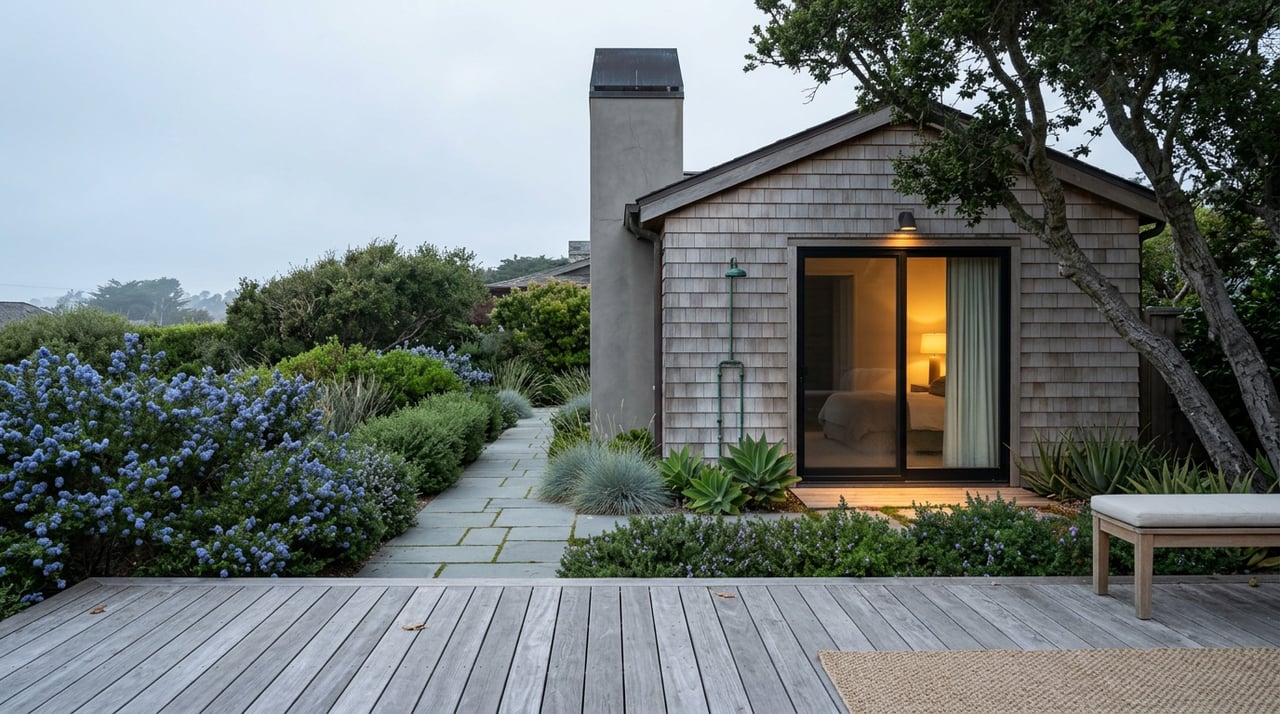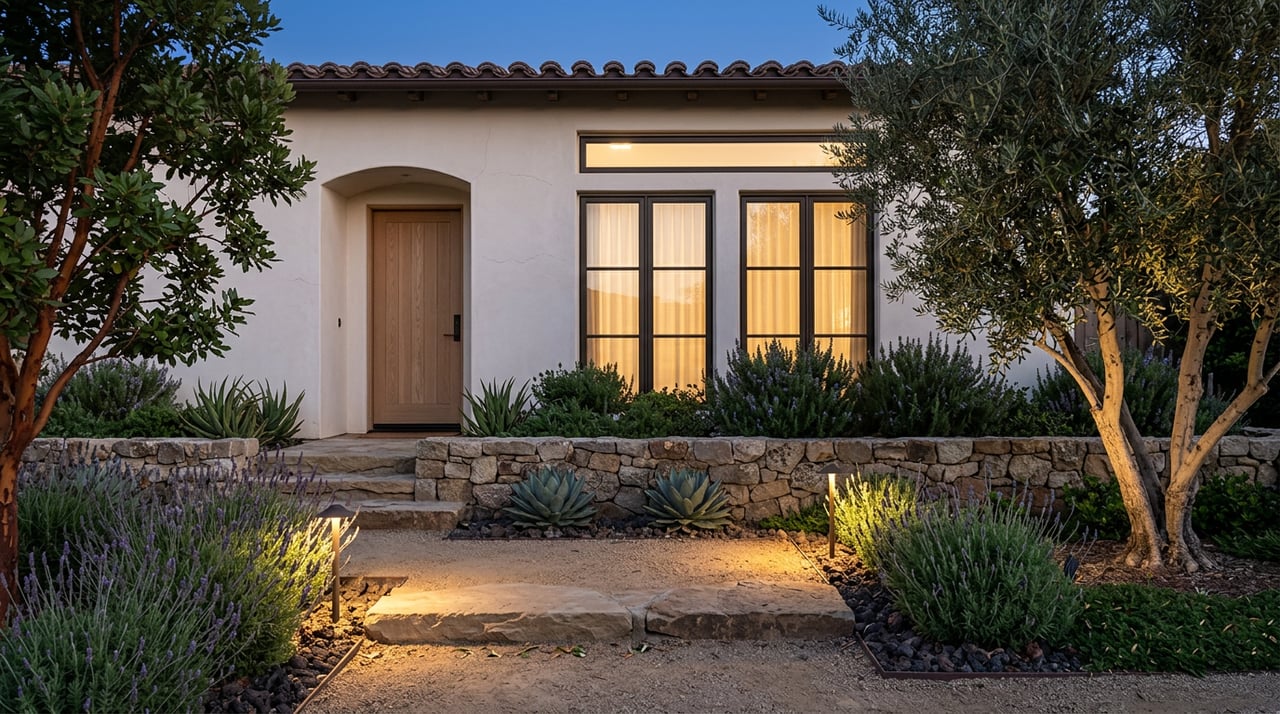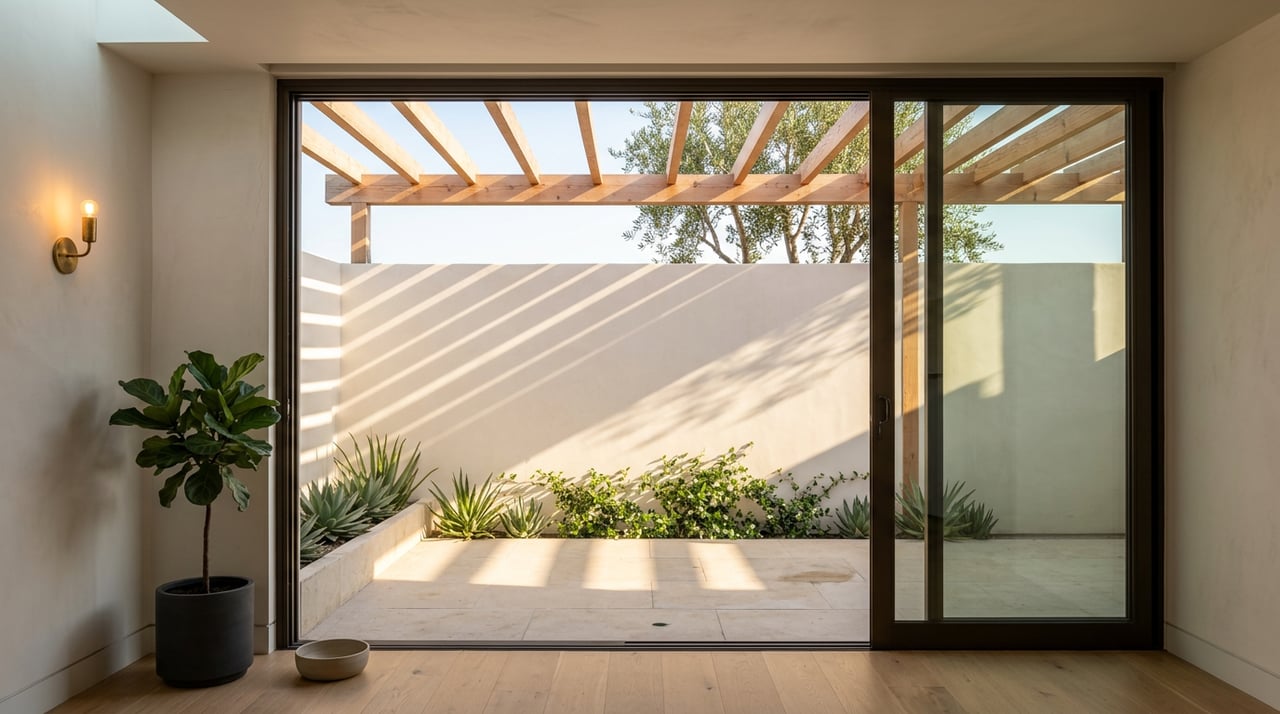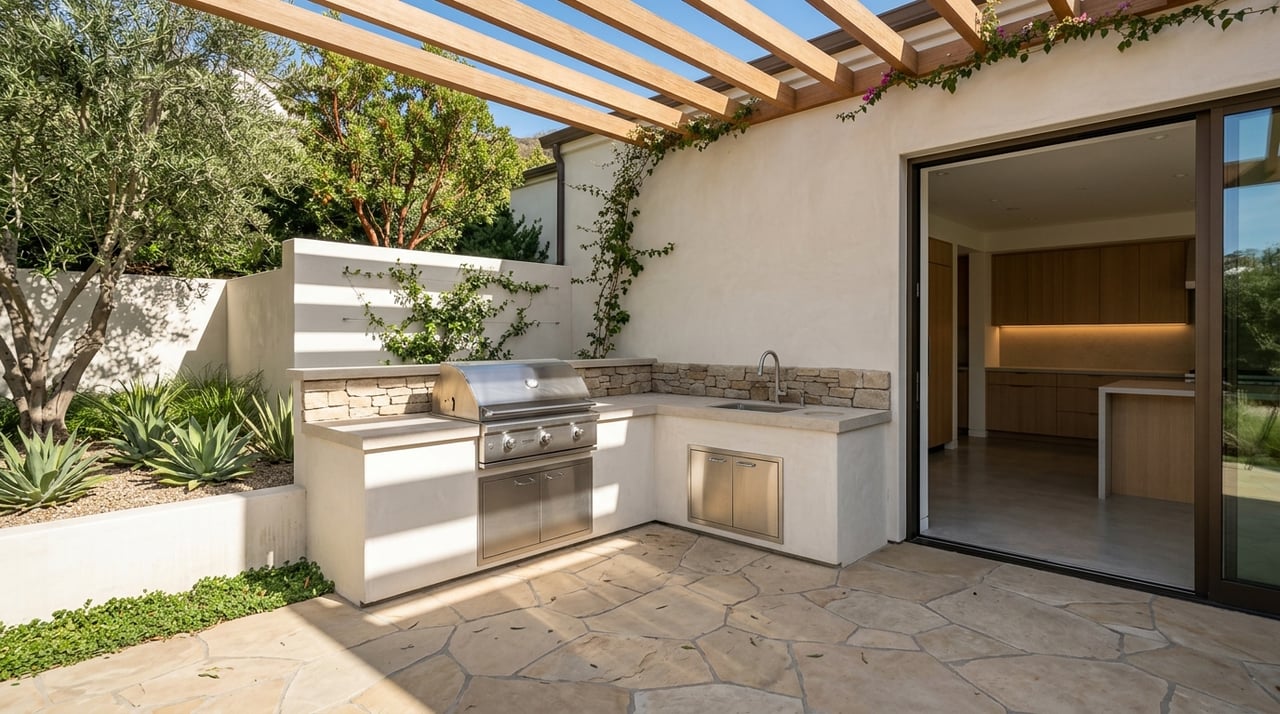
A Malibu home can feel effortless on arrival, but turning it into a true turnkey luxury rental is anything but casual. If you own a retreat by the coast, you are not just preparing a beautiful home for guests. You are also stepping into a city framework with clear permit rules, tax obligations, safety expectations, and neighborhood standards. This guide walks you through what it takes to make a Malibu property guest-ready, compliant, and polished from day one. Let’s dive in.
Start With Malibu’s Rules
In Malibu, short-term rental use is regulated activity, not an informal side project. The city states that advertising or operating a residential property as a short-term rental without a permit violates local ordinance, and unpermitted operation or facilitation can lead to a $1,000 per day fine.
That makes your first step simple: confirm whether the property can legally operate, then secure the required permit before you market the home. In Malibu, permits are annual and required separately for each legal lot or condominium unit.
Understand What the Permit Requires
A Malibu short-term rental application calls for more than basic owner information. The city requires proof of ownership, contact information, the URL of any advertisements, and confirmation that you have checked any HOA rules or CC&Rs that may limit or prohibit short-term rentals.
The city also requires the permit number to be prominently displayed in advertising. If you are planning a polished launch with professional photography and listing copy, this detail needs to be built into your setup from the beginning.
Plan Ahead for Renewals
Permits must be renewed at least 30 days before expiration. That may sound minor, but for owners who use a home seasonally or split time between private use and guest bookings, compliance can slip if there is no clear operating calendar.
A turnkey rental works best when renewals, documents, and city-facing requirements are tracked as part of the overall hosting system. In Malibu, that kind of structure matters.
Do Not Overlook TOT and Local Taxes
If you rent a Malibu property for 30 days or less, the city requires registration and collection of 12% transient occupancy tax. Owners must collect and remit that tax in coordination with any hosting platform used.
Just as important, the city makes clear that if a platform fails to remit, the owner still remains responsible. In other words, tax handling should never be treated as fully outsourced unless you have a system in place to verify it.
Check Septic and OWTS Status Early
This is one of the most Malibu-specific parts of the process. As of January 1, 2023, a property must have a valid OWTS operating permit or a city compliance agreement in order to obtain or keep a short-term rental permit.
Because many Malibu homes rely on onsite wastewater systems, this requirement can be a major part of the timeline. The city warns that obtaining those approvals can take six months or longer, so it is wise to investigate this early, well before any intended launch date.
Confirm Private Restrictions Too
City approval is not the only box to check. Malibu’s rules also recognize that HOA rules and CC&Rs may prohibit or further limit short-term rentals.
That means a property can be appealing for guest use in theory, yet still face private restrictions that affect your plans. Before you invest in design upgrades, photography, inventory, or staffing, confirm the rules attached to the property itself.
Design for Luxury and Fast Reset
A successful Malibu rental should feel elevated, but it also needs to perform well between stays. The strongest guest experience usually comes from a home that looks thoughtfully curated while also being simple to reset, inspect, and clean.
That balance matters because guests tend to judge a stay on cleanliness, accuracy, check-in, communication, location, and value. For luxury homes, the presentation has to be beautiful, but the operations behind it need to be consistent.
Keep Photos and Amenities Current
A coastal home can change with the season. A pool may be under maintenance, an outdoor kitchen may be temporarily unavailable, or weather may affect how an exterior space is used.
That is why listing photos and amenity descriptions should stay current. Accurate presentation helps set expectations clearly and protects the guest experience before arrival.
Stock the Basics Beautifully
Even in a high-end rental, basics still matter. Guests expect towels, linens, pillows, soap, toilet paper, clear check-in instructions, and a house manual that explains the home simply.
This is where luxury should feel seamless rather than excessive. When essentials are thoughtfully stocked and easy to find, the home feels calm, complete, and cared for.
Favor Durable, Easy-Care Finishes
Cleanliness is part of the product, not a back-end task. For that reason, finishes and furnishings should support quick, thorough turnover without making the home feel stripped of character.
Neutral scents, uncluttered surfaces, and well-organized storage all help. Personal items should also be minimized or secured so the house feels intentional rather than lived in by someone else.
Build a Better Arrival Experience
The first hour of a stay shapes the entire review. In a Malibu retreat, that arrival should feel easy, clear, and private.
Step-by-step check-in instructions can remove stress immediately. Many guests also prefer self check-in, and where appropriate, a smart lock can make access more efficient while reducing coordination issues.
Create a Clear House Manual
A strong house manual should cover more than Wi-Fi and appliance notes. In Malibu, it should also explain parking expectations, trash handling, quiet hours, and any special property systems.
If the home has a pool, spa, outdoor fire feature, or onsite wastewater system, those instructions should be easy to understand. Clear guidance protects both the guest experience and the home itself.
Treat Safety as Part of the Guest Experience
Malibu’s short-term rental standards include practical safety requirements such as fire extinguishers, smoke detectors, and carbon monoxide detectors. Those are the basics, but in Malibu, safety planning should go further.
The city identifies Malibu as a very high fire hazard severity zone, and its guest-facing rules ask occupants to know evacuation zones and routes. That means your rental setup should include more than compliance items. It should include usable information for real situations.
Prepare for Wildfire Conditions
Malibu’s wildfire preparedness guidance emphasizes evacuation plans, supply kits, and multiple escape routes. The city also notes that flying embers are a main reason homes catch fire during wildfire events.
For owners, this means creating a guest emergency sheet, posting an evacuation map, and making sure safety equipment is checked regularly. If warnings or evacuation notices arise, there should also be a clear process for guest communication and next steps.
Include Septic Guidance for Guests
If your property uses an onsite wastewater system, guest instructions should include simple drain and toilet guidance. This is especially important in a rental, where guests may not know the limits of the system.
Small details matter here. Clear, calm instructions can help prevent avoidable problems that disrupt a stay and create costly repairs.
Respect the Neighborhood Setting
A luxury rental in Malibu should feel private and refined, but it also needs to operate with consideration for the surrounding area. The city’s Code of Conduct includes quiet hours from 10 PM to 7 AM, asks guests to park onsite whenever possible, and includes rules related to trash, environmental care, and larger gatherings.
The city also notes that larger events may require a special-event permit. If your vision for the property includes entertaining, that should be reviewed carefully before offering the home for that use.
Real-Time Oversight Matters
Because Malibu requires the owner or owner’s agent to be available 24/7 at a number provided to both the city and guests, a luxury rental cannot rely on delayed response times. This is not just about service. It is part of compliance.
If a guest has a noise issue, a lockout, a maintenance concern, or a safety question, someone must be prepared to respond. That is one reason true turnkey operations usually require more than cleaning support alone.
Review Insurance Before Launch
Before a Malibu home moves into rental use, insurance should be reviewed carefully. California’s Department of Insurance advises property owners to compare residential insurance products, and it notes that high-risk areas may require extra attention to coverage options.
For Malibu owners, that review is especially relevant given wildfire exposure and the city’s focus on fire readiness. Insurance should support how the property is actually being used, not how it was used before.
What “Turnkey” Really Means in Malibu
In a market like Malibu, turnkey does not mean passive. It means your home is presented beautifully, operated consistently, and supported by systems that protect the guest experience, the asset, and your standing with the city.
That includes permit tracking, tax coordination, guest messaging, turnover checklists, emergency planning, and local issue resolution. If the home is part private retreat and part rental property, it also means protecting owner storage and resetting the home cleanly between personal use and guest stays.
When a Hospitality Partner Adds Value
For some owners, the most efficient path is working with a hospitality-led partner who understands both presentation and operations. In Malibu, that can be especially useful because the home needs to function as a luxury experience while also meeting local rules and responding to real-time guest needs.
The right support can help you think beyond bookings alone. It can help you shape a property that photographs well, communicates clearly, turns over smoothly, and feels composed from inquiry to check-out.
A Malibu retreat deserves more than a listing. It deserves stewardship that matches the quality of the home and the expectations of the guests who arrive there. If you are considering how to position your property for elevated rental use, Carey More brings a design-led, hospitality-informed approach to luxury homes and turnkey guest operations.
FAQs
What does Malibu require for a short-term rental permit?
- Malibu requires a permit for each legal lot or condominium unit used as a short-term rental, along with ownership proof, contact details, advertisement information, and confirmation that HOA or CC&R rules have been checked.
Can you rent out a Malibu home without a permit?
- No. Malibu states that advertising or operating a residential property as a short-term rental without a permit violates local ordinance and can lead to a $1,000-per-day fine.
What taxes apply to a Malibu short-term rental?
- Rentals of 30 days or less must register with the city and submit a 12% transient occupancy tax, and the owner remains responsible even if a hosting platform is involved.
Why does septic status matter for a Malibu rental property?
- Many Malibu homes use onsite wastewater systems, and the city requires a valid OWTS operating permit or compliance agreement to obtain or keep a short-term rental permit.
What safety information should guests have in a Malibu rental?
- Guests should receive clear instructions on safety basics, including fire equipment, evacuation routes, quiet hours, parking expectations, and any property-specific septic or system guidance.
What makes a Malibu luxury rental truly turnkey?
- A turnkey Malibu rental combines curated design with reliable operations, including compliance tracking, current listings, consistent cleaning, guest communication, and 24/7 local response.