Thinking about turning your garage or backyard into a beautiful guest-ready suite? In Sherman Oaks, an ADU can give you flexible space for visiting family, a quiet home office, or a comfortable long-stay rental that supports your lifestyle. The process can feel complex at first, so a clear plan helps. In this guide, you’ll learn the essentials for Los Angeles permits, site feasibility in Sherman Oaks, smart design decisions, timelines, and operating choices for guest stays. Let’s dive in.
ADU basics in Sherman Oaks
You have several ADU paths in the City of Los Angeles. Common options include detached backyard cottages, attached additions, and garage conversions. Junior ADUs are another tool in certain cases. The right type depends on your lot, budget, and how you plan to use the space.
State ADU laws limit many local barriers so most single-family lots in LA can consider an ADU where zoning allows. City rules still guide height, setbacks, and lot coverage, and your specific parcel conditions matter. Parking is often not required for ADUs in much of Los Angeles, though there are exceptions. Plan for full code compliance, including life safety, energy efficiency, and proper egress.
Permits and who does what in LA
For permits in Sherman Oaks, you work within the City of Los Angeles framework. Los Angeles Department of City Planning interprets zoning and allowable unit types. The Los Angeles Department of Building and Safety (LADBS) handles plan check, building permits, and inspections. State guidance from the California Department of Housing and Community Development outlines the ADU rules that shape local review.
If you plan any short-term hosting, review City of Los Angeles rules for registration and transient occupancy taxes through the Office of Finance and related municipal code. Owner-occupancy requirements for new ADUs have been relaxed under state law, but hosting and rental rules are still enforced locally. Utilities typically tie into existing water, sewer, and power, though panel or service upgrades can be required.
Sherman Oaks site feasibility checklist
Before you commit, confirm what is possible on your specific lot. A quick, methodical review helps you avoid surprises later.
- Verify zoning and the ADU types your lot can support with City Planning.
- Measure lot size and existing structures to confirm remaining buildable area and lot coverage.
- Locate your sewer connection and estimate the lateral run to the ADU location.
- Check your main electrical panel size for added load; note any planned HVAC and appliance demands.
- Map trees, slopes, drainage, and any utility easements that could affect placement.
- Confirm if you are in any special overlays that may affect exterior changes.
- Review HOA CC&Rs, if applicable. HOAs cannot prohibit ADUs outright in California but may set reasonable standards.
- Consider guest privacy and circulation, including a separate walkway or gate for the ADU.
Sherman Oaks has a mix of flat and gently sloped lots, with mature trees and narrow streets in some pockets. Even when no parking is required by code, planning off-street parking can help reduce curb impact for neighbors and improve the guest experience.
Choose the right ADU type
Every ADU option has tradeoffs. Match the type to your goals, budget, and property.
- Internal conversion. The most cost-effective and quickest route. Works well for a home office or occasional guest use, but can limit privacy and light.
- Garage conversion. A strong value choice that keeps the footprint small. You may need to address how cars are stored elsewhere on site.
- Attached addition. Integrates with existing systems, often at a moderate cost. Privacy may be less than a detached unit.
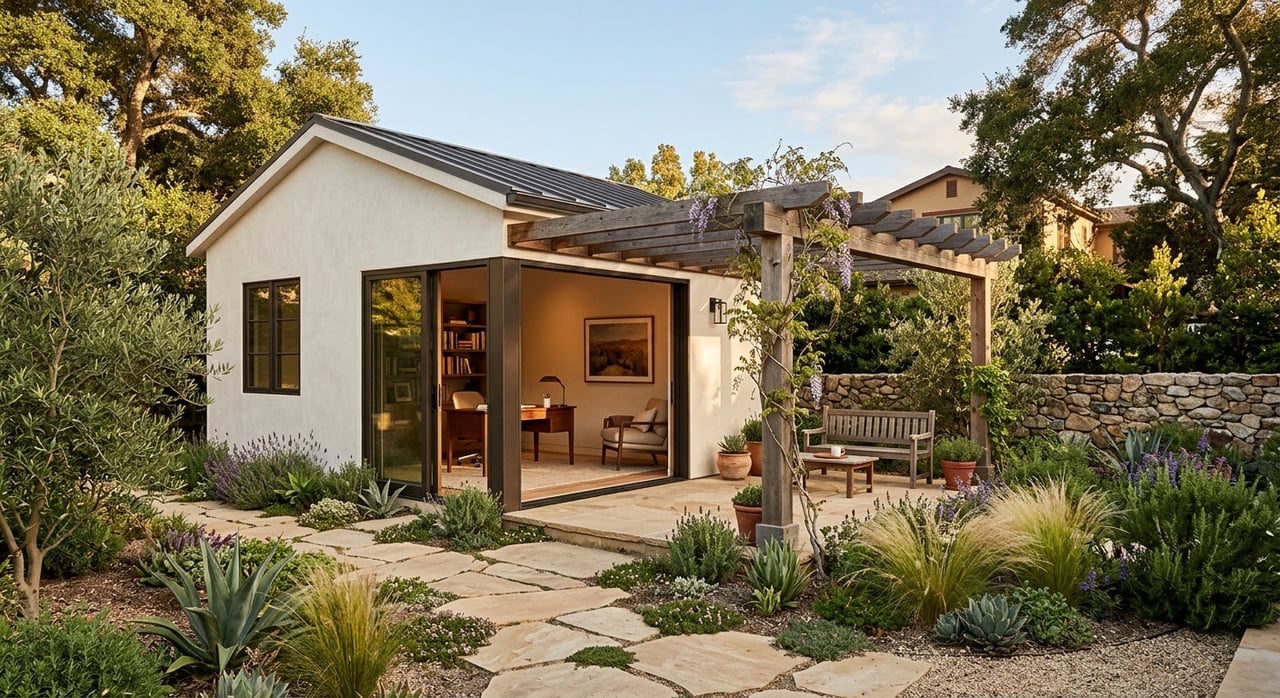
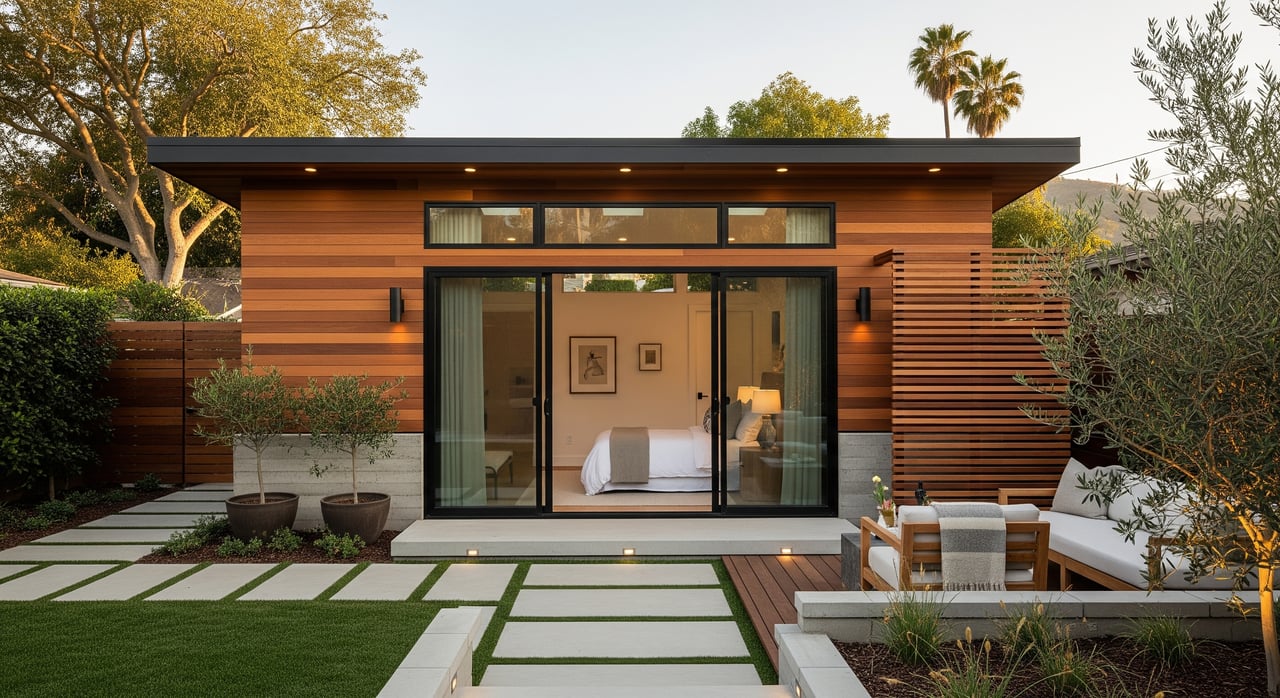
- Detached cottage. Highest privacy and market appeal for guest stays and long-term renters. Expect a larger investment and a longer build.
Design for guest comfort and flexibility
Design choices can turn a compact footprint into a calm, private retreat. Focus on privacy, function, and hospitality.
- Separate entry. Give guests a clear, private entrance and path of travel away from the main home’s daily flow.
- Functional kitchenette. Include a compact cooktop or induction, a mid-size refrigerator, a sink, and efficient cabinets. For an office that doubles as guest space, consider a fold-away kitchen.
- Full bath with great ventilation. Add accessible features like a curbless shower and blocking in walls for future grab bars.
- Sleeping area with storage. Create separation with a pocket door or partition. Murphy beds and built-ins maximize space.
- In-unit laundry. A stacked washer and dryer is a small convenience that makes long stays easier.
- Quiet and comfort. Provide separate HVAC or zoned control, plus sound insulation in walls and ceilings for privacy.
- Light and air. Use code-compliant egress windows, and consider skylights or clerestories to bring daylight into tight footprints.
- Universal design. Plan step-free entries and wider doorways where possible to serve a broader range of guests.
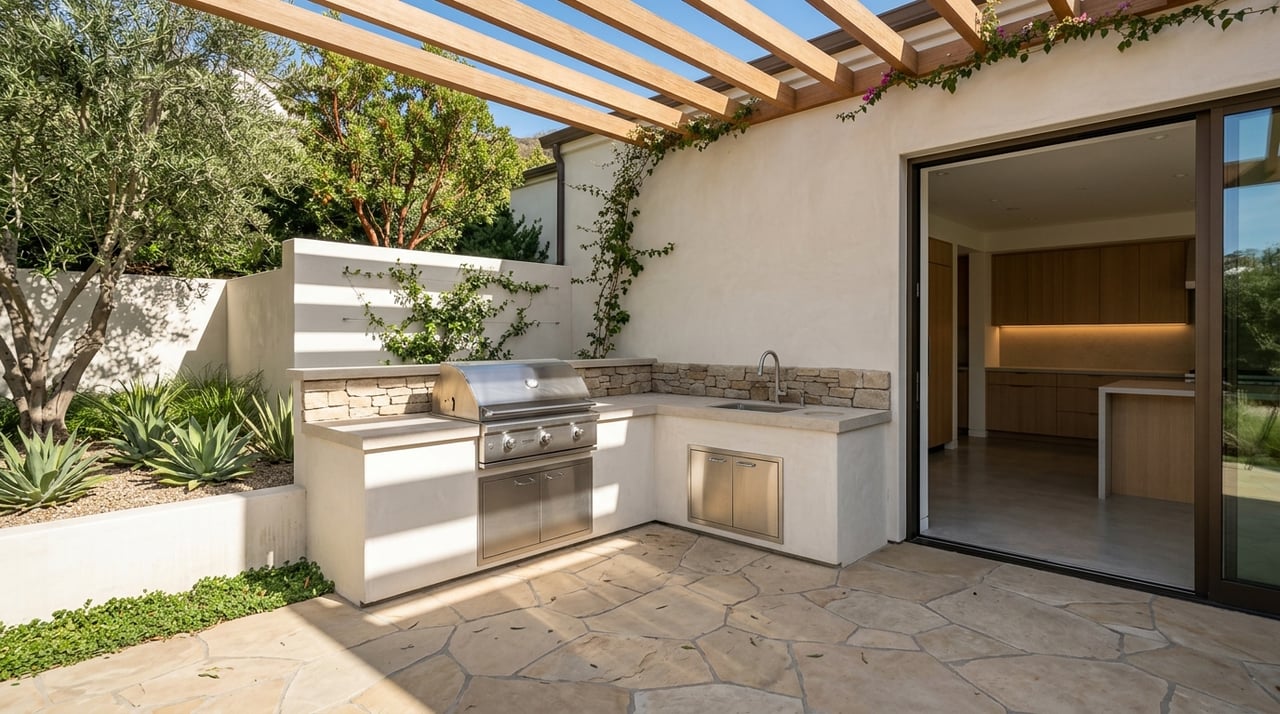
- Outdoor living. A small private patio with fencing, planting, and shade feels welcoming in close urban lots.
- Durable finishes. Choose low-maintenance floors like luxury vinyl plank and porcelain tile. Neutral palettes with layered lighting read calm and refined.
- Smart home touches. Keyless entry, a smart thermostat, and exterior lighting support secure, easy arrivals.
If you need an office that hosts well
If the space must work as a quiet office during the week and a guest suite on weekends, plan for flexibility.
- Acoustic separation. Use insulation and solid-core doors to reduce noise.
- Daylight and data. Place work zones near windows and ensure robust Wi‑Fi or a hardwired connection.
- Convertible furniture. A desk that folds away, a wall bed, and modular seating help the space switch roles easily.
Costs, financing, and timelines
ADU budgets vary based on type, finish level, and site conditions. Garage or attached conversions tend to be more cost-effective, while new detached builds usually cost more per square foot due to foundations, utilities, and roofing. Soft costs include architecture, engineering, permits, and utility-related fees. Impact fees may be reduced or exempt for ADUs in some cases.
Financing options can include cash, home equity loans or lines of credit, construction loans, ADU-focused loan products, or a refinance. Compare features and timelines with a lender familiar with Los Angeles ADUs.
Expected timing follows a simple arc:
- Feasibility and design: 1 to 3 months for site study, layouts, and selections.
- Permit review: several weeks to a few months, depending on submittal quality and agency queue.
- Construction: 3 to 9 months or longer based on scope and site complexity.
Build in schedule and budget contingencies, and request multiple bids from local, ADU-experienced contractors.
Rental strategy: guest stays vs long-term
If you plan to host short-term guests, the City of Los Angeles enforces registration and transient occupancy taxes through its Office of Finance, along with specific hosting rules. Confirm the latest requirements before listing. Long-term rentals, generally 30 days or more, are simpler to operate from a permitting standpoint and are governed by state and local tenant laws. Some rent control provisions may not apply to certain ADUs, but you should confirm the specifics for your situation with an attorney.
Define how you will use the space across the year. Many owners prioritize family use for part of the calendar, then fill select periods with longer stays. Clear house rules, parking guidance, and quiet hours protect neighbor relations and keep guests comfortable.
Insurance, taxes, and legal items
Notify your insurance provider before you rent. Long-term rentals may require a landlord endorsement, while short-term rentals often need special coverage or host policies. Construction of an ADU can affect assessed value and property taxes in California. Rental income is taxable; keep careful records of expenses and consult a tax professional about deductions. For long-term tenants, use a clear lease, proper applications, and legally compliant screening.
Hospitality and management best practices
A well-managed ADU feels effortless for guests and low-stress for you. Consider a simple framework:
- Onboarding. Create a digital house manual with arrival details, Wi‑Fi, appliance notes, and parking guidance.
- Guest comfort. Stock quality linens, a starter kitchen kit, reliable internet, and climate control instructions.
- Privacy cues. Use landscape screening, gates, and clear pathways so everyone feels at ease.
- Neighbor relations. Share parking plans, trash schedules, and guest rules to keep the block calm.
- Maintenance. Schedule routine HVAC service, pest control, and seasonal exterior care.
- Remote help. If you travel often, consider professional management for messaging, check-ins, and turnovers.
If you prefer a hands-off approach, hospitality-led management can align the ADU with your standards for service, design, and guest care while protecting the asset.
A simple plan to get started
- Confirm zoning and feasibility with LA City Planning and LADBS requirements.
- Map utilities, trees, and access; decide on conversion vs new build.
- Sketch a layout that prioritizes privacy, a full bath, a real kitchenette, and laundry.
- Build a budget that includes soft costs, contingencies, and a timeline with milestones.
- Decide on your operating model: personal use only, long stays, or a mix with clear house rules.
When your goals are clear, the design and permit process moves faster and your guest experience improves.
Ready to explore what your property can support or to line up design and hospitality guidance for a guest-ready ADU? Reach out to the boutique team at Carey More for a thoughtful, end-to-end conversation.
FAQs
What permits are required for a Sherman Oaks ADU?
- You submit building plans for review and permits through the Los Angeles Department of Building and Safety, and you verify zoning and ADU eligibility with Los Angeles City Planning.
Can you rent a Sherman Oaks ADU for short stays?
- Short-term rentals in Los Angeles require registration and compliance with local hosting rules and transient occupancy tax; review current city regulations before listing.
How long does an ADU take from design to move-in?
- Many projects span several months for plan review and roughly 3 to 9 months for construction, depending on scope and site conditions.
Do you need to add parking for an ADU in LA?
- Often no additional parking is required under state-limited rules, but site-specific exceptions exist, so confirm requirements for your parcel.
What ADU type works best for guest privacy?
- A detached backyard cottage offers the most privacy and market appeal for guest stays, though it typically costs more than a conversion.
Will an ADU increase property taxes in Los Angeles County?
- Construction can affect assessed value and property taxes in California; consult the county assessor and your tax advisor for specifics on your project.