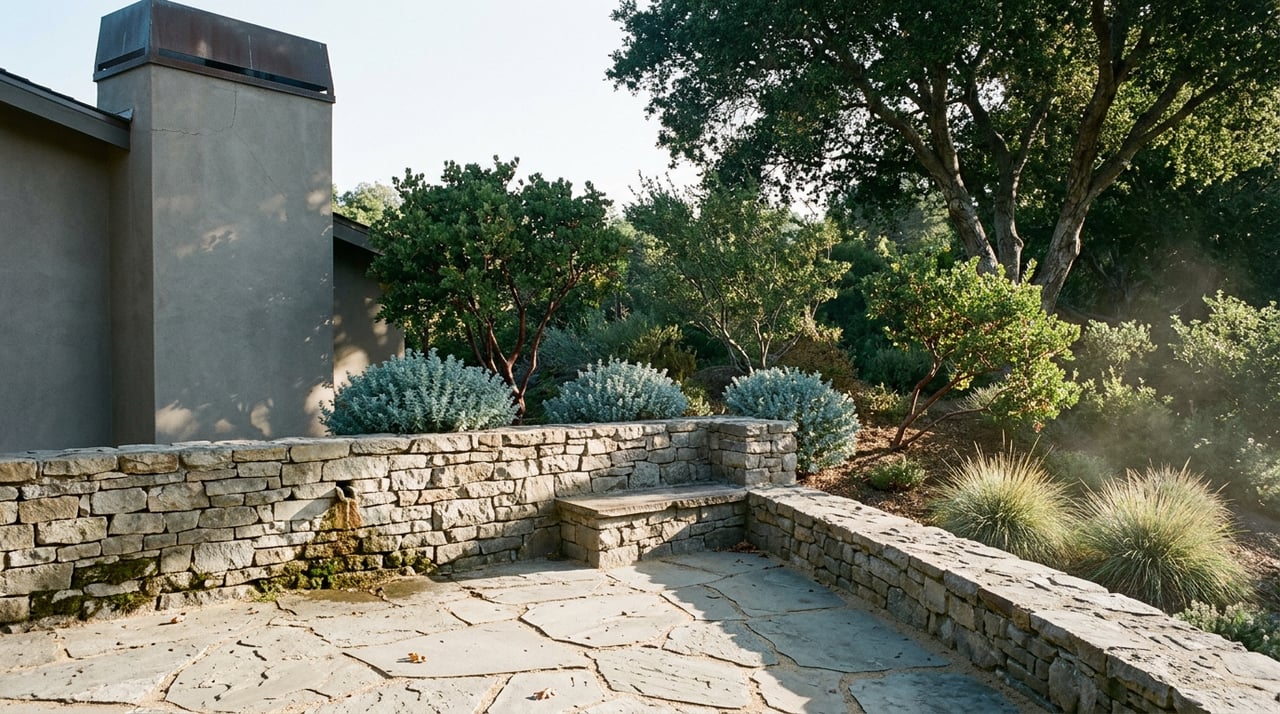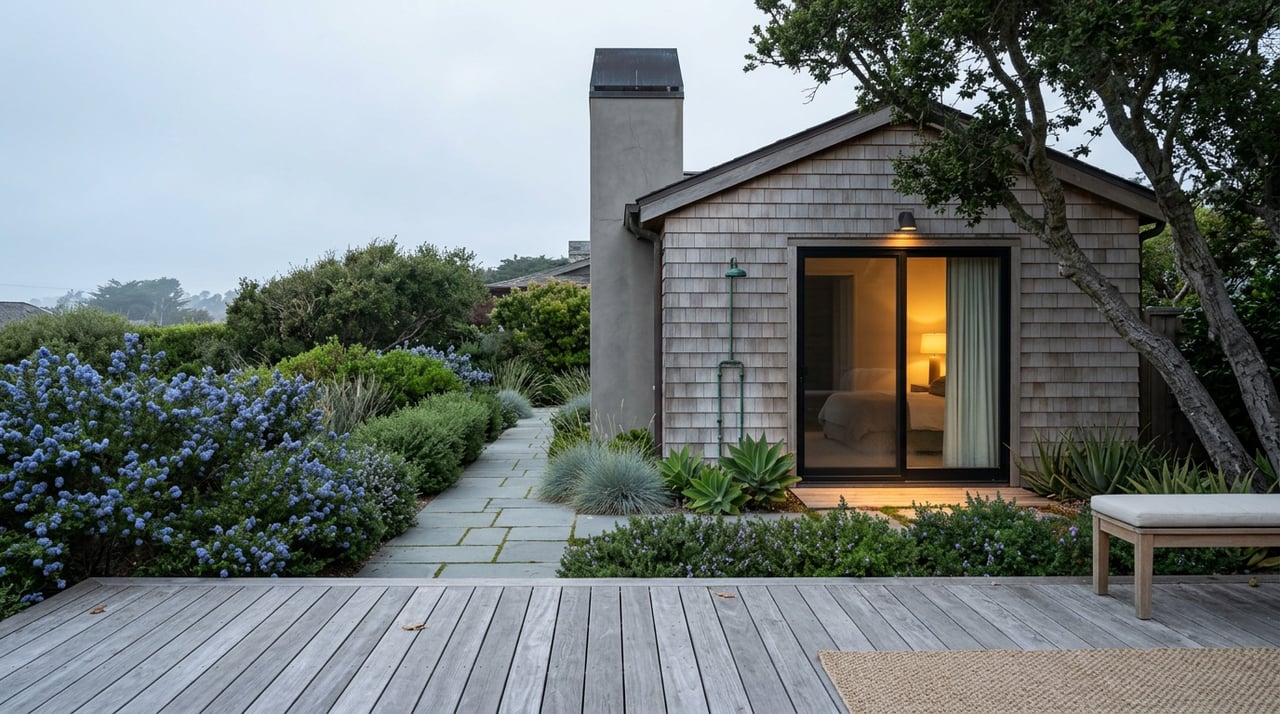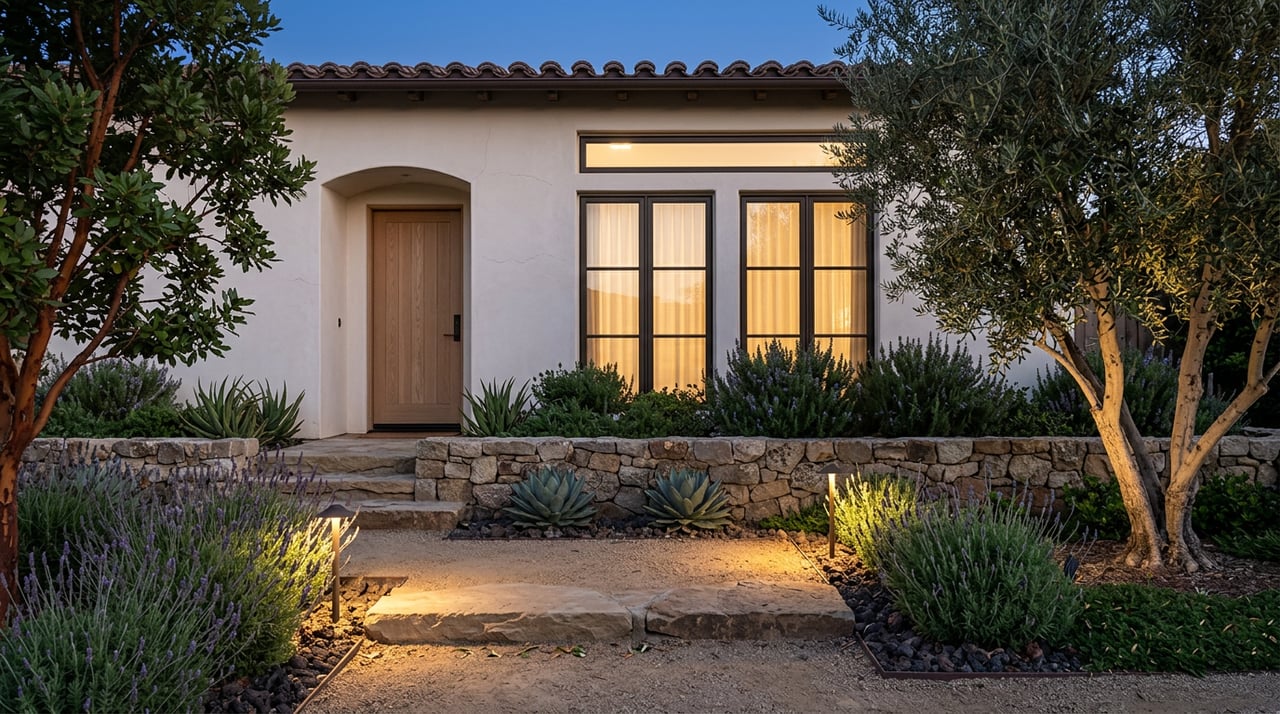
Ever tour Malibu in the morning and again at noon, only to feel like you visited two different cities? That is Malibu’s microclimate effect at work. If you are deciding between Broad Beach, Point Dume, or a canyon property, those subtle shifts in fog, sun, wind, humidity, and temperature matter. In this guide, you will learn how microclimates shape daily life, maintenance, viewings, and seasonality so you can choose a home that fits how you actually live. Let’s dive in.
Why Malibu shifts block to block
Malibu sits in a Mediterranean climate, but the coastline, headlands, canyons, and hills create sharp variations over short distances. The ocean supplies cool, moist air and fog that smooths temperatures near the beach. Headlands like Point Dume stick out into the wind, which brings faster clearing and stronger breezes. Canyons channel air, trap humidity and cool night air, and can limit direct sun in parts of the day.
The result is simple: within a mile, you can move from foggy and mild to sunny and breezy to shaded and humid. For buyers, that changes comfort, upkeep, risk, and even how a home shows at different times of day.
Neighborhood microclimates at a glance
Broad Beach and beachfront
- What to expect: Frequent morning marine layer in late spring and early summer, with cool mornings and milder afternoons. Higher humidity and salt exposure. Onshore breezes are common.
- Daily life: Mornings can feel cool or damp, while afternoons are pleasant after the fog lifts. Views may be hazy early and crisp by midday.
- Maintenance: Salt accelerates corrosion on metal fixtures, deck hardware, railings, and HVAC condensers. Exterior paint and finishes need more frequent attention. Choose salt-tolerant landscaping.
- Permitting and insurance: Check coastal erosion history, elevation, flood and storm-surge maps, and any shoreline armoring or beach nourishment. Coastal development involves additional permitting and can affect insurance availability and cost.
Point Dume and other headlands
- What to expect: Faster morning clearing and more sun than lower beaches due to exposure and elevation. Stronger, more persistent winds and greater wind loading on structures.
- Daily life: Consistent sun and breezes are ideal for views and outdoor time. Wind noise, wind-driven moisture, and salt can increase wear on roofs, windows, and outdoor furniture.
- Maintenance: Inspect for wind-driven rain intrusion, stronger fastening of roofs and flashing, and corrosion on exterior metals. Landscaping should be wind-tolerant and well anchored.
Canyon settings
- What to expect: Cooler nights and higher humidity from cold-air pooling. Morning fog can linger along canyon floors. Steep walls may limit direct sun depending on orientation and depth.
- Daily life: Interiors may feel shaded and moist if ventilation is poor. Dense vegetation can increase wildfire fuel loads and pest habitat.
- Maintenance: Prioritize ventilation, moisture control, and periodic inspections for mold or wood rot. Review drainage and erosion control, and plan for defensible space and fire-hardening.
Seasonal patterns that shape daily life
- Marine layer and coastal stratus: A shallow deck of cool, moist air hugs the coast, most common in late spring and early summer mornings. Beaches cloud over early, headlands often clear sooner. For a primer, see the NOAA explanation of the coastal marine layer.
- Sea-breeze cycle: As land warms, onshore breezes build late morning through afternoon, cooling the coast and strengthening winds at exposed points. Learn the mechanics in this NOAA overview of sea breezes.
- Santa Ana winds: In fall and winter, hot, dry offshore winds sweep from inland to the coast, clearing skies, drying vegetation, and elevating wildfire risk. The NWS Los Angeles guide to Santa Ana winds outlines timing and impacts.
- Winter storms and heavy rain: Storm systems channel intense runoff into canyons and along slopes, increasing erosion and landslide risk on steep or poorly drained lots.
- Long-term coastal change: Beachfront homes face sea-level rise and shoreline dynamics over time. Review the California Coastal Commission sea-level rise guidance when evaluating long-hold assets.
Comfort, energy, and materials
- Coastal and Broad Beach: Indoor temperatures are mild with lower heating needs. Humidity can feel clammy, so plan for good ventilation or dehumidification. Exterior metals and finishes need vigilant care due to salt.
- Point Dume and headlands: Breezes support passive cooling, yet wind can increase heat loss or infiltration. Quality insulation, window detailing, and robust flashing help.
- Canyons: Shaded interiors may need supplemental heating in winter. Manage humidity to prevent condensation and mold. The EPA’s guidance on mold and moisture is a helpful reference.
Moisture, drainage, and slope stability
- Drainage: Canyons and hillside lots concentrate runoff during storms. Inspect gutters, downspouts, swales, and outfalls. Verify engineered drainage solutions and maintenance.
- Slope stability: Look for cracks in retaining walls, settlement, or past repairs. A geotechnical review is prudent for slopes and canyons. The USGS landslide hazards overview explains why this matters in storm years.
- Beachfront dynamics: Ask for coastal hazard disclosures, past nourishment records, and any shoreline protection permits. The California Coastal Commission permitting portal and the City of Malibu Local Coastal Program outline rules and processes.
Fire risk and home hardening
Santa Ana periods bring dry air and elevated fire danger, especially where vegetation is dense. Focus on defensible space, ember-resistant details, and materials within your immediate zone.
- Read Cal Fire’s overview of defensible space best practices.
- Explore Cal Fire’s guide to hardening your home, including noncombustible materials and ember-resistant vents.
Solar, energy, and systems
- Solar: Malibu has strong solar potential, but morning fog in coastal areas reduces early output. Panel sizing and orientation should reflect local fog and wind exposure.
- Wind exposure: On headlands, ensure solar racking and roof attachments are rated for local wind loads and inspected regularly.
- HVAC: On the beach, consider corrosion-resistant condensers and strategic placement to minimize salt exposure.
How to tour homes smartly
Timing matters. See properties at different hours and, if possible, in different seasons.
- Morning, late spring to early summer: Experience typical June Gloom on Broad Beach and note how far fog penetrates. Compare with earlier clearing on Point Dume.
- Midday to afternoon: Track when the marine layer burns off, how views open, and how breezy outdoor spaces feel.
- Fall Santa Ana events: If safe and feasible, observe wind exposure and ask about past wildfire evacuations or impacts. The NWS Santa Ana winds page is a good planning resource.
- Winter storm season: Look for drainage behavior, erosion marks, and slope seepage after heavy rain.
What to look for by setting
- Broad Beach: Salt staining on metals, HVAC condenser condition, door and hardware corrosion, beach width and access at varying tides, presence and permits of shoreline armoring.
- Point Dume: Vegetation shaped by wind, roof and flashing wear, evidence of wind-driven moisture entry, orientation of outdoor spaces to prevailing winds.
- Canyons: Retaining wall condition, debris channels, cracks or settlement, canopy density near structures, defensible space, and morning shade patterns in key rooms.
Questions to ask sellers or agents
- How often do marine layer and fog occur here by season and time of day?
- Has the property experienced wind damage, storm surge, erosion, or slope movement?
- Are there geotechnical or drainage reports, and were permits pulled for any slope or shoreline work?
- What has been done to mitigate salt corrosion? How old are HVAC and exterior metal elements?
- Is there an active wildfire mitigation plan or history of wildfire impacts or evacuations?
- What insurance policies are in place, and have there been claims or renewability issues?
Quick buyer checklist
- Order a licensed home inspection with extra attention to moisture, roof, flashing, and HVAC.
- For canyons and slopes, obtain a geotechnical report and drainage assessment.
- Secure coastal hazard disclosures, flood maps, and coastal development permits for beachfront or headland lots.
- Request insurance claims history and confirm current quotes and renewability.
- Verify defensible space and fire-hardening measures with documentation.
- Consider a corrosion assessment for beachfront and exposed headlands.
- Evaluate solar feasibility relative to fog patterns and wind loads.
- Tour at multiple times of day to experience fog, sun, wind, glare, and shade.
Match microclimate to your lifestyle
- If you value quiet mornings, mild temperatures, and beach access, a Broad Beach home can feel effortless, with added attention to corrosion control and coastal permitting.
- If early sun, broad views, and fresh breezes energize your day, Point Dume’s exposure may suit you, with added focus on wind durability.
- If you cherish privacy, cool nights, and green surroundings, a canyon setting offers calm and shade, with a plan for drainage, ventilation, and fire preparedness.
Choosing well comes down to aligning climate, comfort, and care. If you want a design-forward search process with concierge-level guidance on microclimates, coastal permitting, and ownership planning, connect with Carey More. Our boutique team blends editorial presentation with hands-on hospitality to help you buy with clarity and live beautifully.
FAQs
What is Malibu’s marine layer and when does it appear?
- The marine layer is a shallow deck of cool, moist air that brings low clouds or fog to the coast, most common in late spring and early summer mornings, often clearing by midday.
How do Santa Ana winds affect Malibu homes?
- Santa Anas bring warm, dry offshore winds in fall and winter that clear skies, increase fire risk, and can drive dust and debris; they also stress roofs, flashing, and landscaping.
Are canyon homes in Malibu colder or more humid?
- Canyons often pool cool night air and trap moisture, so mornings can be cooler and interiors more humid if not well ventilated; daylight can be limited by steep walls.
What extra maintenance do beachfront homes need?
- Expect faster corrosion of metalwork, more frequent exterior painting, vigilant roof and flashing inspections, and salt-tolerant landscaping, plus attention to coastal permitting.
What inspections are essential for canyon or hillside properties?
- In addition to a general home inspection, request a geotechnical report, drainage evaluation, and records for any retaining walls or slope repairs, with permits verified.